Setu Reservoir Designated as Compost Processing Center
Reported by Nurito | Translated by Maria Inggita
Setu Urban Village administration in Cipayung has designated the area around Setu Reservoir as a center for processing leaf waste into compost. The initiative aims to reduce the volume of waste sent to Bantar Gebang Integrated Waste Processing Site (TPST) while supporting waste management at the source.
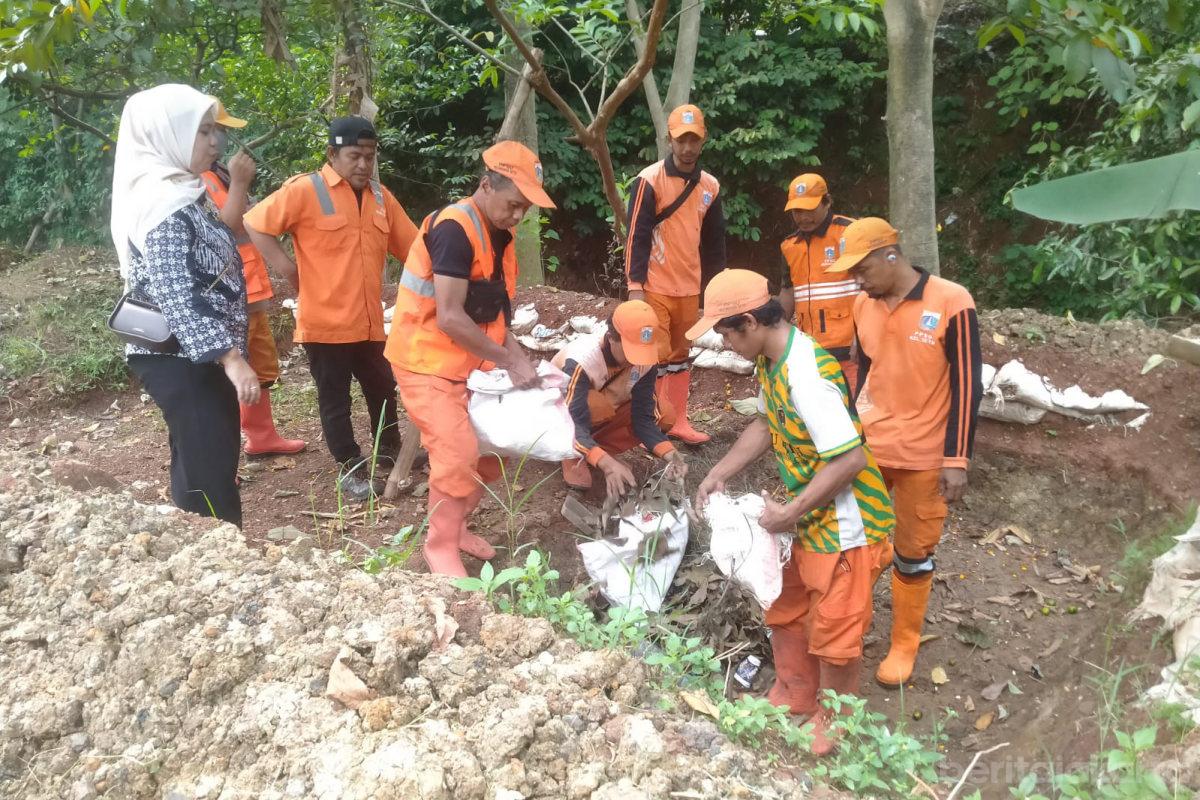
Three large pits in the Setu Reservoir area to process leaf waste into compost
Setu Urban Village Head Dwi Widiastuti said the program utilizes leaf waste collected daily by Public Infrastructure and Facilities Handling (PPSU) personnel during street-cleaning activities.
E. Jakarta Converts 3.4 Tons of Organic Waste Into Compost and Maggot FeedAccording to her, leaf waste that was previously transported to Bantar Gebang is now being processed into compost, providing environmental benefits while reducing waste volumes.
“We have prepared three large pits in the Setu Reservoir area to process leaf waste into compost. This is one of our efforts to reduce the volume of waste sent to Bantar Gebang,” she said on Thursday (6/4).
Dwi explained that each pit measures approximately 4x2 meters with a depth of one meter. Leaf waste is placed inside the pits and then tightly covered with tarpaulins to accelerate decomposition.
“The composting process is expected to take around three months before the compost is ready for use. The compost will later be used as fertilizer to support urban farming activities in Setu Urban Village,” she added.
To support the program, around 10 PPSU personnel are assigned daily to collect and process leaf waste in the Setu Reservoir area.
The Setu Urban Village administration is also stepping up efforts to separate household kitchen organic waste alongside its leaf waste composting program.
“Currently, the volume of kitchen organic waste collected from residents ranges from about 1.6 to 2.6 tons per day, sourced from 44 RTs in six RWs,” she said.
The organic waste is then collected by the Environment Agency task force and transported to a processing facility operated by the East Jakarta Environment Sub-agency.
“The waste is further processed into organic waste pulp that is used as feed for maggots,” she added.
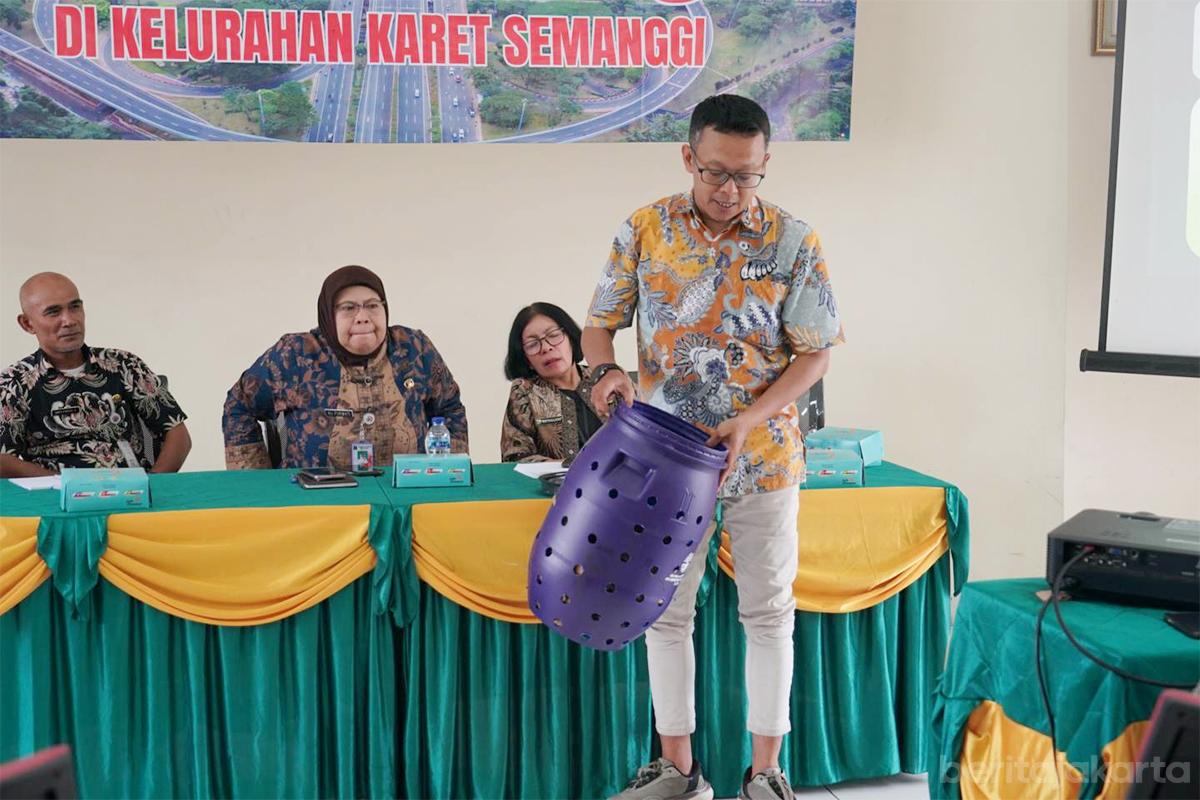
As part of efforts to strengthen organic waste management, the East Jakarta Environment Sub-agency has distributed 30 waste bins to six RWs.
“The urban village administration has also added 40 used paint buckets to serve as collection containers for household kitchen organic waste,” she noted.
Dwi expressed hope that these initiatives would encourage greater public participation in waste sorting at the household level and help reduce the volume of waste sent to TPST Bantar Gebang.
“Through composting leaf waste and separating household kitchen organic waste, we want to foster a better waste management culture while creating a cleaner and more sustainable environment,” she emphasized.