Health Agency Explains Regional General Hospital Executive Services
Reported by Fakhrizal Fakhri | Translated by Rizky Mawardi
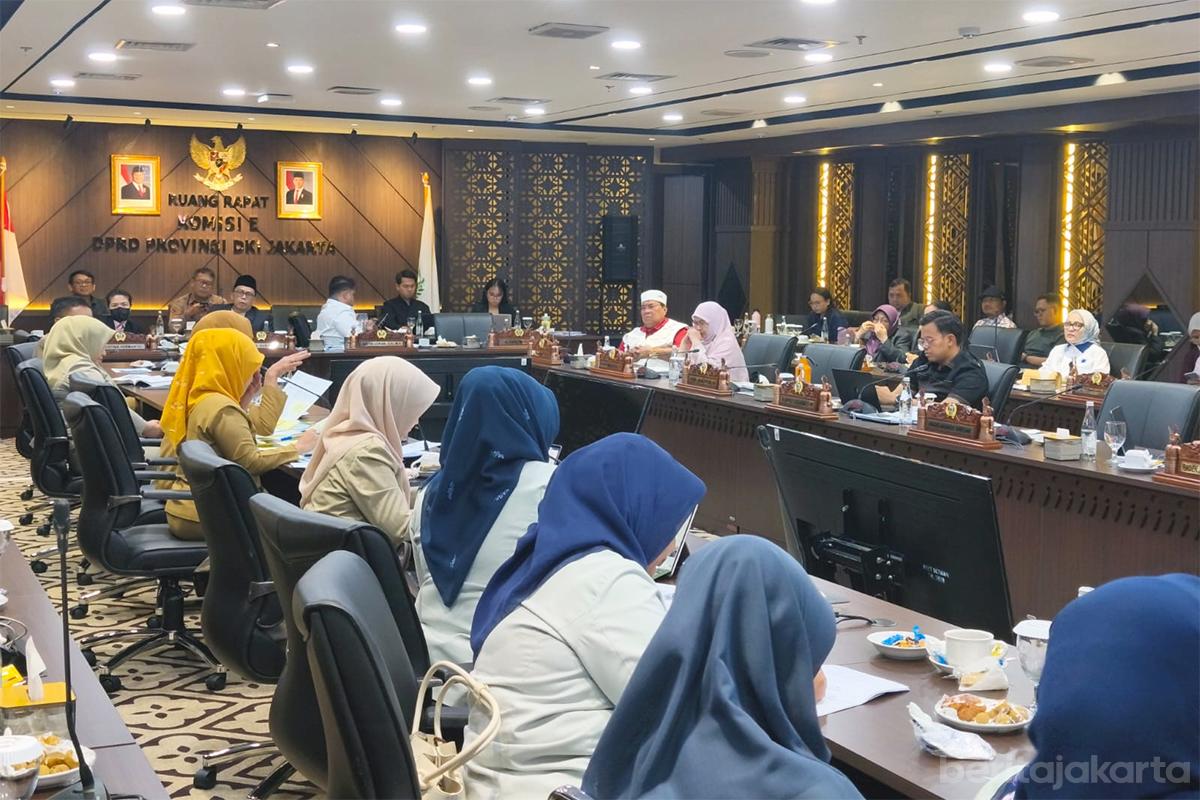
The Head of Jakarta Health Agency, Ani Ruspitawati, explained about the executive services of Regional General Hospitals in Jakarta while attending the 2026 Revised Regional Budget Discussion Meeting with Commission E of the DKI Jakarta City Council.
Cover the service deficiencies
Ani said that the development of executive services at the regional general hospital (RSUD) not only aims to improve service quality but also provides a source of income to support BPJS patient services.
Pramono Opens Tria Dipa Hospital, Boosting Jakarta’s Healthcare ReachRevenue from executive services can be used to cover the shortfall in BPJS patient care costs, especially in severe cases where treatment costs are sometimes higher than BPJS claims.
"Revenue from the executive segment becomes new revenue for the hospital, so it can cover the service deficiencies that exist for BPJS patients," she said, Wednesday (9/9).
Ani added that executive service rates are set based on unit costs and compared to private hospital rates. However, he confirmed that RSUD rates remain lower for equivalent services.
Executive services are also aimed at increasing the competitiveness of regional hospitals in retaining specialist and sub-specialist doctors. The relatively low rates for procedures at regional hospitals also affect the remuneration received by doctors.
Ani gave an example that the cost of a cesarean section at a private hospital can reach around Rp 15 million, while at a regional hospital it's around Rp 5 million. This difference impacts the amount of income doctors receive.
"The executive service is also an effort to keep the doctors at the regional hospital," she added.
Regarding public concerns about the perceived high rates for executive services, Ani acknowledged that the change was quite noticeable. She explained that this was because executive service rates had not been adequately regulated previously.
On the other hand, Ani stated that approximately 99 percent of Jakarta residents are covered by BPJS Kesehatan. Therefore, the existence of executive services is expected to contribute to the sustainability of healthcare services for those in the affluent category.
The Jakarta Health Agency is also open to evaluating these service rates. If any rates are deemed too high by the public, the Jakarta Provincial Government is ready to make adjustments through regulations currently under development.
"If the public feels that some of the rates are too high, we are ready to revise them through the regional regulation which is currently in process," she admitted.