Jakarta Expands High-Tech Trash Screening to Rescue its Waterways
Reported by Fakhrizal Fakhri | Translated by Nugroho Adibrata
Jakarta Legislative Council Commission D Member Muhammad Thamrin has expressed support for Jakarta Governor Pramono Anung’s plan to replicate the integrated waste management model from the Ciliwung River to 11 other rivers in Jakarta.
Rolling this out to 11 rivers is a knockout idea
It is deemed capable of managing waste upstream before it enters and accumulates at the Manggarai Sluice Gate.
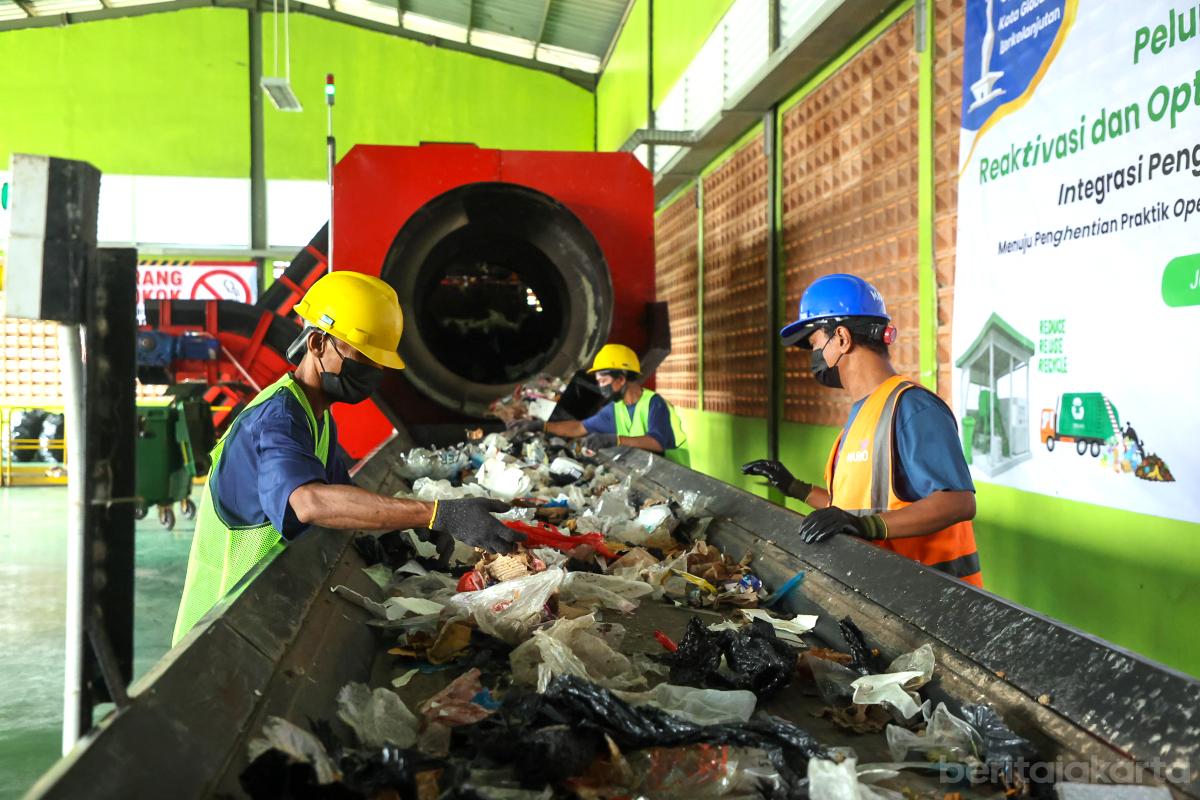
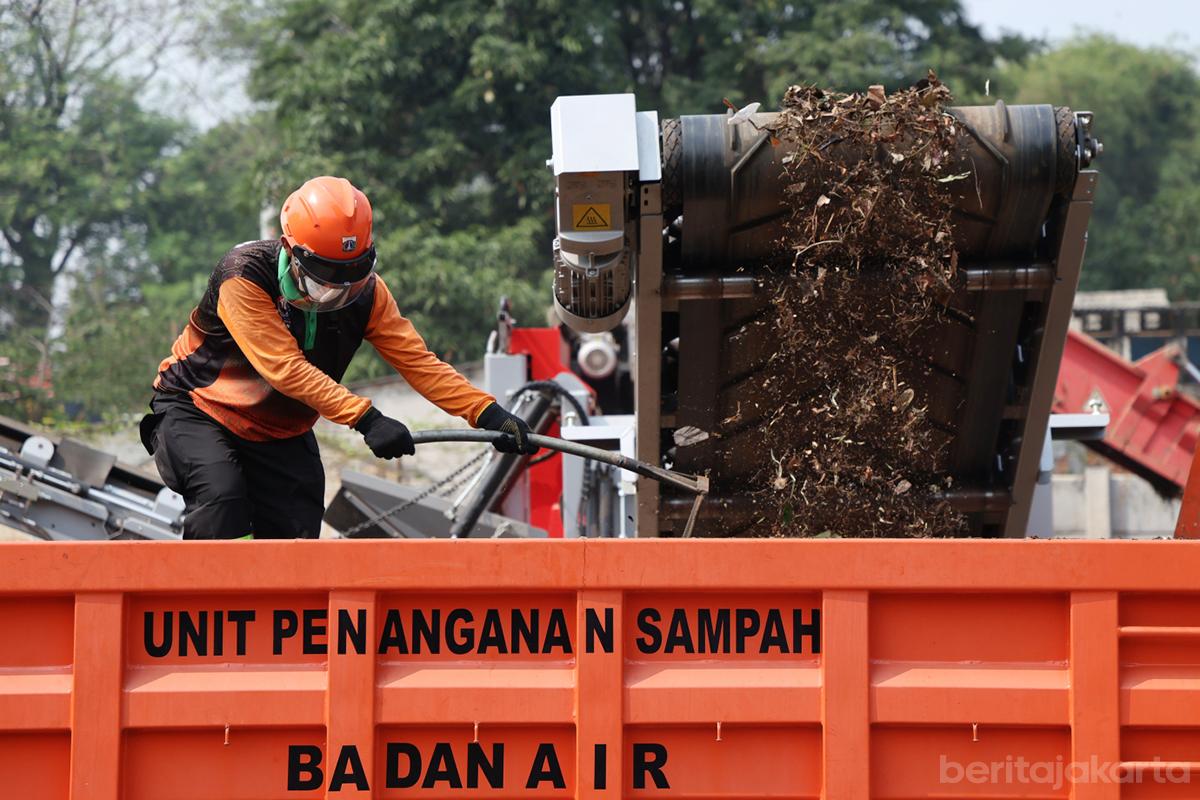
According to Thamrin, integrated filtration hubs like the one on TB Simatupang allow river trash to be sorted and transformed on the spot—turning organic scraps into nutrient-rich compost and maggot feed, while compacting non-organics for industrial reuse.
Commission D Requests Accelerated Budget Absorption and Strengthened Waste Management"At its core, Mr. Pramono’s strategy to tackle river waste upstream with integrated filtration facilities like TB Simatupang is hands-down the smartest move," he expressed, Tuesday (10/6).
However, he emphasized that this system cannot operate in a silo—it must seamlessly connect with Jakarta’s major waste hubs, including Rorotan RDF plant, Bantargebang RDF facility, and neighborhood-level 3R waste stations (TPS 3R).
River debris is soaking wet, meaning it cannot feed directly into RDF converters without preliminary drying and treatment. On top of that, Jakarta needs guaranteed market off-takers for the sorted output—otherwise, solving one problem will only spark another.
Thamrin stressed that Jakarta must also double down on citizen awareness and strict household-level enforcement.
Enforcing Gubernatorial Regulation No. 77/2020 on neighborhood waste management and reviving community Waste Banks are critical steps to keep debris out of waterways entirely.
"If local 3R hubs actually do their job, garbage won’t end up in the river in the first place," he insisted.
Further, he called on the Jakarta government to step up synergy with upstream regions, notably Bogor and Depok, through a performance-based grant scheme. Such funding could be channeled to buffer zones that successfully establish waste-filtering facilities and crack down on illegal dumping along the Ciliwung River.
"Sure, rolling this out to 11 rivers is a knockout idea, but execution and regional coordination are make-or-break. Without sorting at the doorstep and blocking trash at the border, even the most state-of-the-art interceptor will be drowned in debris," he warned.