Jakarta Tightens Flu Surveillance, Appeals for Calm and Vigilance
Reported by Aldi Geri Lumban Tobing | Translated by Nugroho Adibrata
The Jakarta Health Agency (Dinkes) is stepping up case surveillance and early warning vigilance against Influenza A and other respiratory tract infections.
We urge residents to maintain clean and healthy living habits
Periodic monitoring is conducted through the analysis of case trends and laboratory test results, including tracking patterns of case increases and circulating influenza subtypes.
Jakarta Health Agency Head Ani Ruspitawati stated that preventive efforts are also being intensified through public health awareness campaigns and cross-sectoral coordination.
Public Health Alert, Jakarta Urged to Anticipate Influenza A Surge“We urge residents to maintain clean and healthy living habits (PHBS)—frequently wash their hands, practice proper cough etiquette, wear masks when experiencing respiratory symptoms, and keep their immune systems strong with adequate rest and proper nutrition,” she expressed, Friday (10/16).
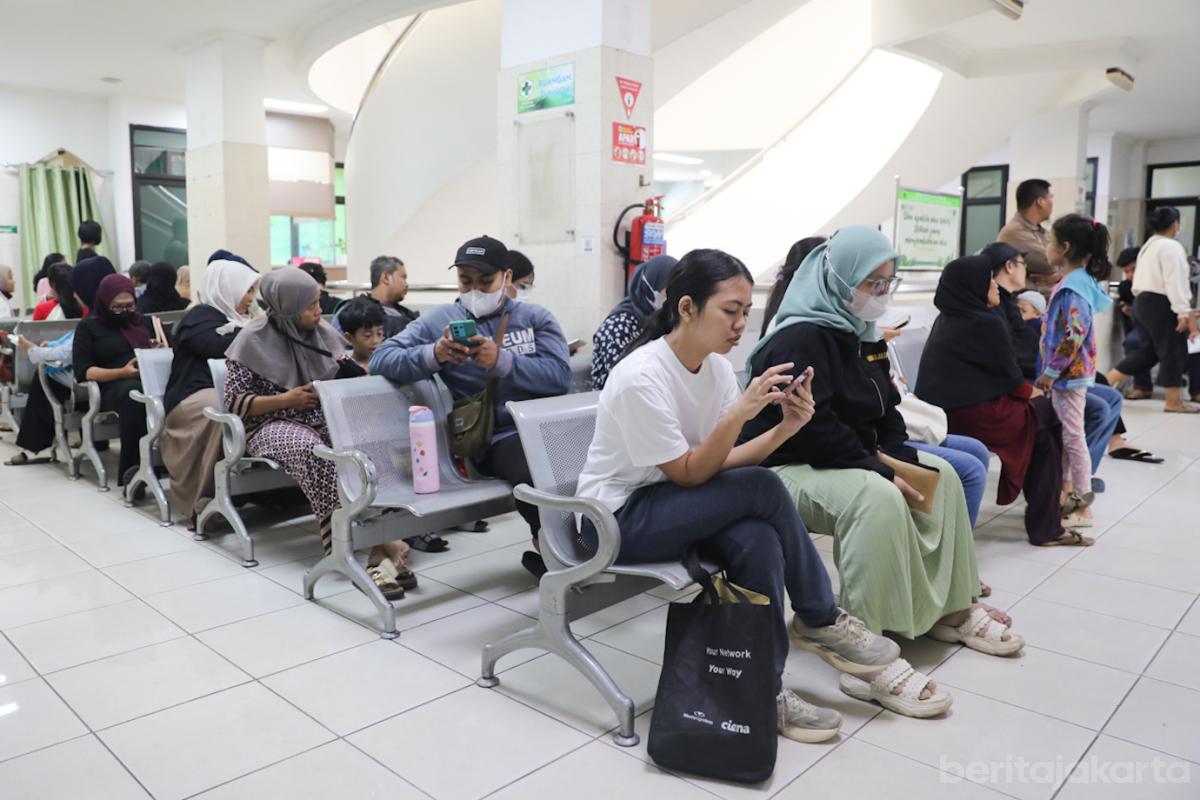
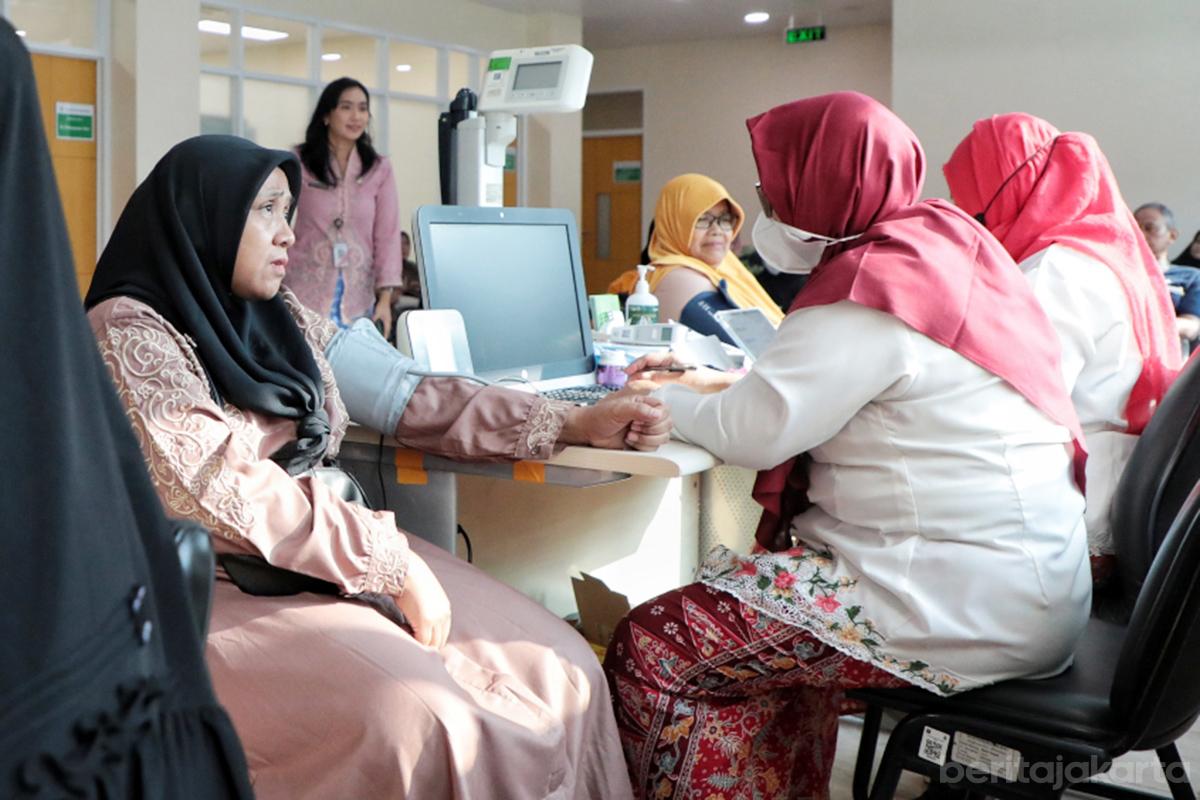
Beyond stepping up surveillance, the agency is ensuring the full readiness of Jakarta's healthcare network—from community health centers (Puskesmas) to hospitals. This includes Influenza-Like Illness (ILI) sentinel surveillance sites, diagnostic testing capacity, stocks of medicines and medical supplies, frontline healthcare workers, inpatient wards, and patient referral systems should a surge in demand occur.
Fundamentally, most influenza cases can recover with appropriate home-based care.
Her agency recommends that people experiencing influenza symptoms, such as fever, cough, runny nose, sore throat, or other respiratory complaints, take sufficient rest, ensure adequate fluid and nutritional intake, wear a mask, and curb outdoor activities while symptomatic to avoid transmitting the illness to others.
“If conditions deteriorate or warning signs appear, such as difficulty breathing, decreased consciousness, persistent fever, worsening physical weakness, or if it occurs in high-risk groups, the public is advised to immediately access healthcare facilities,” she explained.
She went on to say that healthcare facilities across Jakarta have established clear care and referral protocols tailored to each patient’s clinical condition. Diagnostic testing and therapies, she noted, are administered strictly based on medical indications and physician evaluations.
“Above all, there is no need to panic—just stay vigilant,” she noted.
Her agency continues to monitor the evolving epidemiological situation and ensures the healthcare system is prepared to respond in the event of an increase in cases.
“Collaboration between the government, healthcare facilities, and the community is key to preventing transmission while protecting the most vulnerable groups,” she stated.