Panggang Island Residents Learn the Economic Benefits of Waste Sorting
Reported by Anita Karyati | Translated by Maria Inggita
Residents of Panggang Island Urban Village took part in an educational session on waste sorting and management at the source, held at the Thousand Islands Regency Office.
Sorted waste can have economic value
Thousand Islands Regent Muhammad Fadjar Churniawan stressed that the waste-sorting movement must be backed by concrete action from all parties.
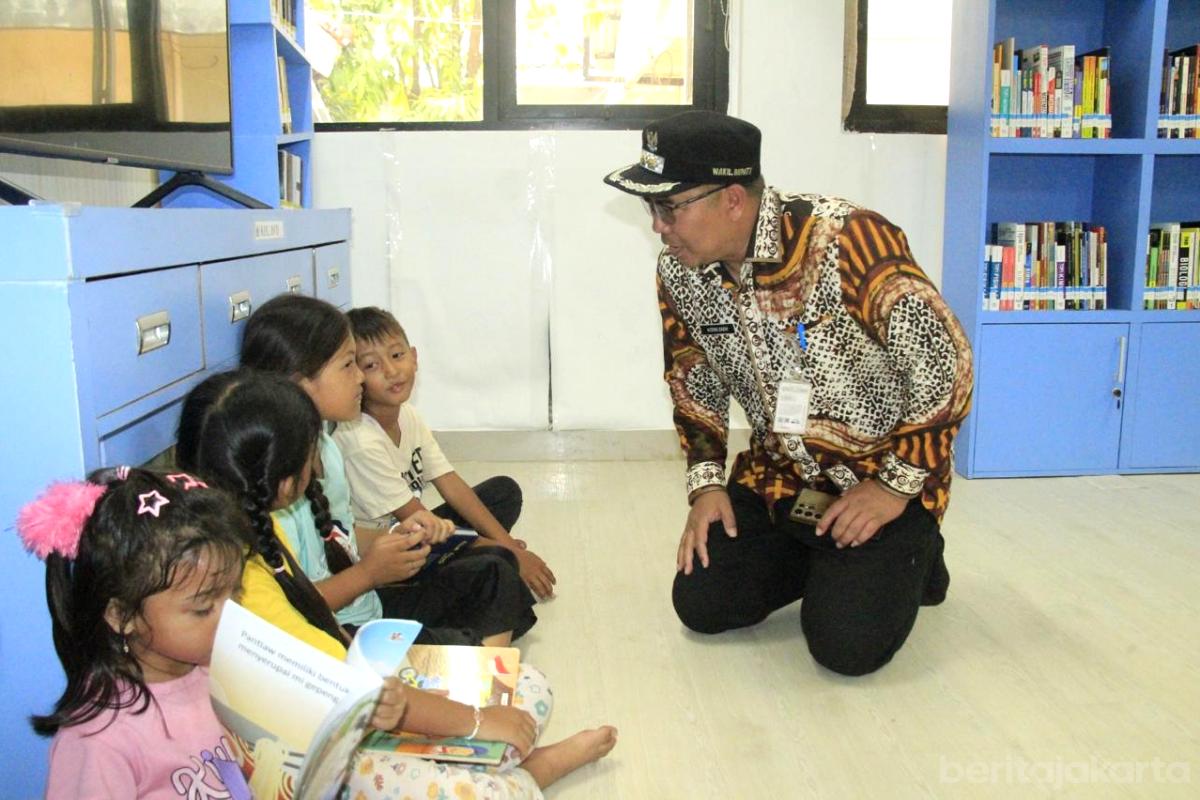
Students at SMPN 294 Jakarta Process Waste into Crafts with Economic ValueHe said he envisioned the Thousand Islands becoming a model for waste management, starting with Panggang Island's neighbor, Pramuka Island, as a prototype for a zero-waste island.
"I don't want this movement to remain just a slogan without real action. We must support one another. Waste management requires active participation at every level, from households to waste collection points," he said on Tuesday (10/20).
Fadjar urged relevant agencies to step up public education on the economic value of sorted inorganic waste, such as plastic bottles and recyclable packaging.
"Don't just tell people to sort their waste. Explain its resale value, too. If they know they can earn extra income, they will be more motivated. This way, we can achieve a cleaner environment while also gaining economic benefits," he noted.
Thousand Islands Environment Sub-agency Head Achmad Hariadi stressed that proper waste sorting at the source plays a crucial role in ensuring effective waste processing downstream.
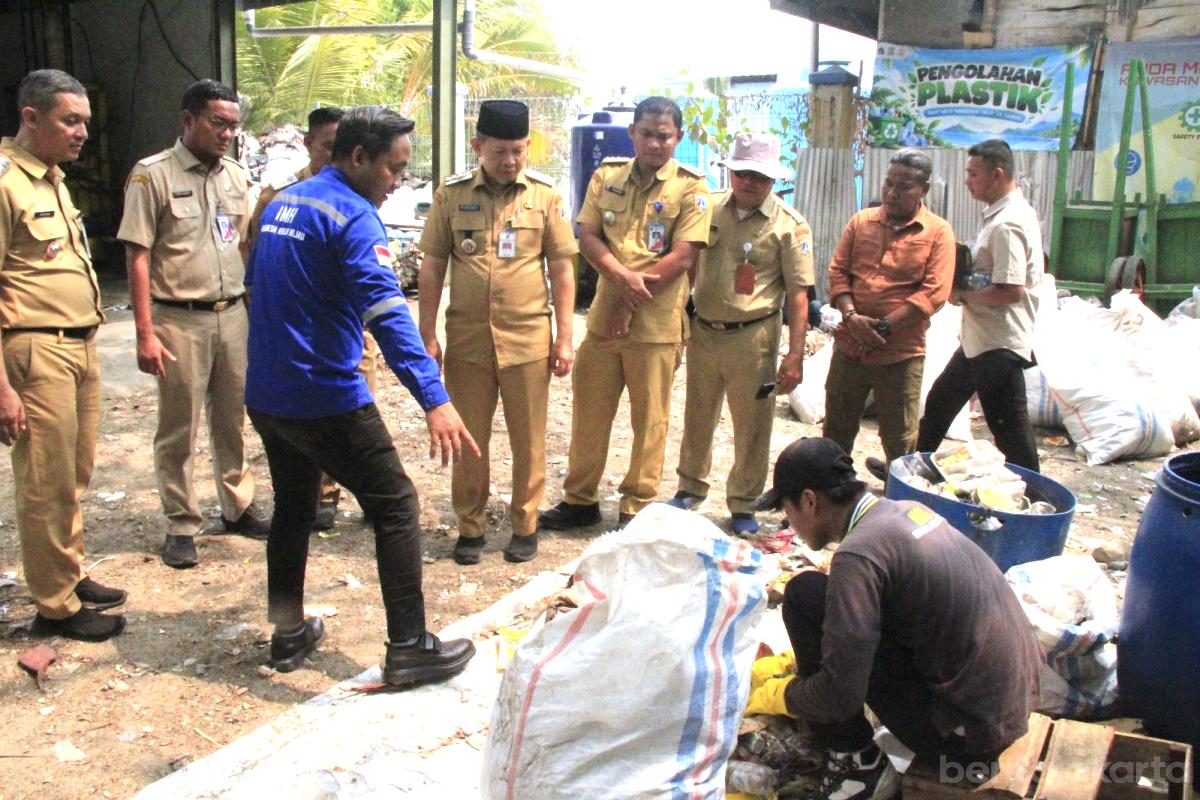
To deepen participants' understanding, the sub-agency invited Anto, also known as Bang Jos, from the Indonesia Menuju Hijau (IMH) community to share his expertise.
"Education and guidance for personnel and the public are important to improving waste management at its source," he said.
The event also included site visits to the 3R Waste Processing Sites on Panggang Island and Pramuka Island to assess their operations and identify areas for improvement.
Meanwhile, Yuni, 46, a resident of Panggang Island Urban Village, said the session had encouraged her to put what she learned into practice in her daily life.
"We now understand that properly sorted waste can have economic value," she shared.