
Jakarta Provincial Government Urged to Strengthen NICU Facilities and Specialist Physician Staffing
Reported by Fakhrizal Fakhri | Translated by Rizky Mawardi
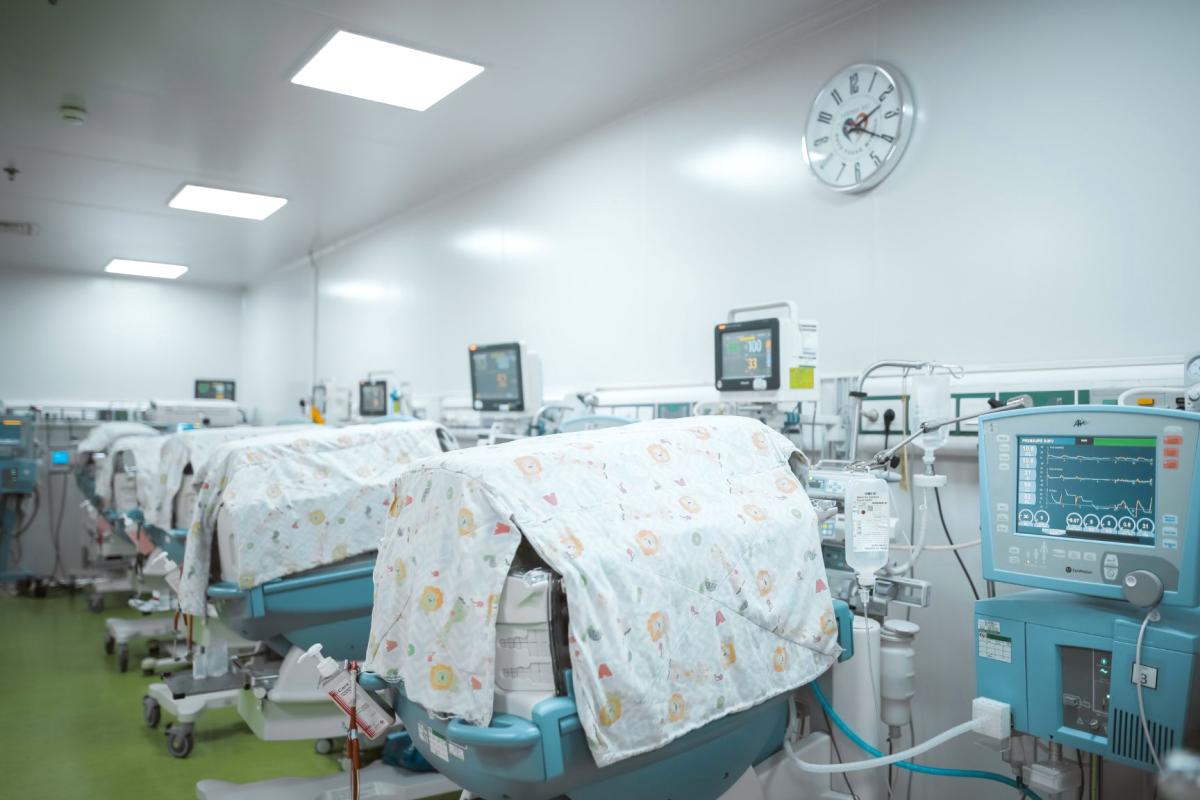
Vice Chairwoman of the Jakarta City Council, Rany Mauliani, has highlighted the limited Neonatal Intensive Care Unit (NICU) facilities in government-owned hospitals. She has urged the Jakarta Provincial Government to strengthen care facilities for critically ill infants, while also supporting the training of perinatology specialists to address the need for medical personnel.
Must be evaluated
She said that limited space in the NICU at the regional public hospital (RSUD) has long been an issue. This situation forces some patients' families to seek NICU services at private hospitals, where the cost of care is relatively high.
An Audit of Infant Death Causes at Tanjung Priok Regional Hospital is Mandatory"It's extremely difficult for those who can't afford it," she said, Friday (11/27).
According to her, strengthening NICU facilities requires more than just providing space and equipment. This is because Jakarta also needs a greater number of perinatology specialists who are competent in caring for critically ill infants.
She also proposed that the Jakarta Provincial Government consider a scholarship program for medical personnel pursuing specialized training in perinatology, in order to meet the demand for such experts.
Rany assessed that the case of the death of a baby referred from Tanjung Priok Regional Hospital to Koja Regional Hospital, North Jakarta, is a reminder for the Jakarta Provincial Government to pay more attention to maternal and child health services.
She also highlighted the long wait times for ambulances specifically for infants during the referral process. She stated that the availability of Neonatal Emergency Transport System (NETS) ambulances needs to be further strengthened to ensure faster patient care.
"Waiting five hours isn't waiting, especially when it comes to the baby's life," she stated.
Rany emphasized that every incident or alleged negligence in healthcare services must be evaluated to encourage improvement. However, evaluations must be conducted objectively, prioritizing clarification and fact-finding, rather than judging any particular party before the full extent of the problem is known.
"No doctor intends any negligence to cause death. However, such negligence must be evaluated to serve as a lesson for future improvement," she appealed.
Rany hopes that the results of the discussions between Commission E and the Jakarta Health Agency can be conveyed openly to the public so that information regarding the case is presented in a balanced manner and can serve as a basis for improving health services in the capital.
"Hopefully, the root of the problem can be identified and a solution for improvement can be found," she hoped.