South Jakarta Tackles 38 Dengue Cases to Prevent Outbreak
Reported by Tiyo Surya Sakti | Translated by Nugroho Adibrata
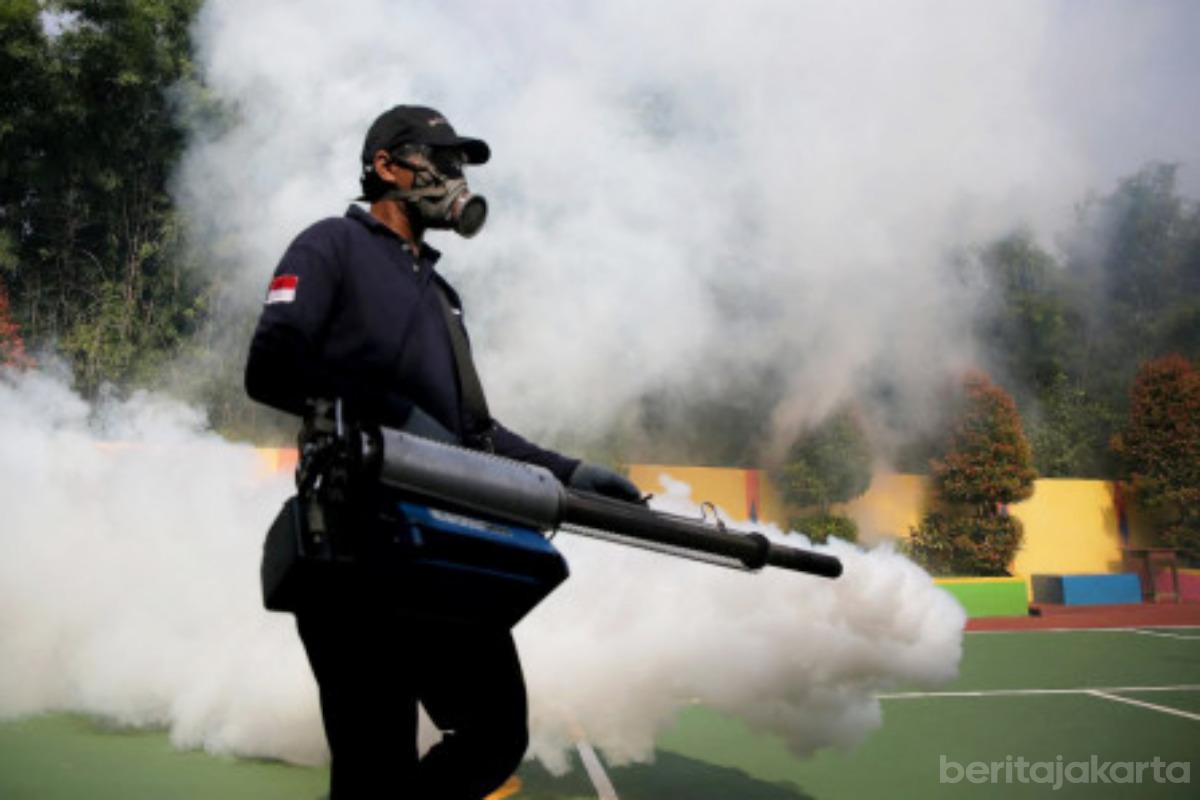
The South Jakarta Health Sub-agency acted swiftly to manage 38 cases of Dengue Fever (DBD) in January 2026 to prevent severe health risks.
These neighborhoods are doing a great job keeping mosquitoes
South Jakarta Health Sub-agency Head, Debi Intan Suri stated that teenagers and young adults are the most vulnerable age groups.
According to her, the highest number of cases was recorded in the 12-25 age bracket, followed by children aged 5-11 and the working-age population (26-45).
High Rainfall Raises Concerns Over Potential Dengue Spike"The senior demographic, or those above 59 years old, recorded a relatively lower number of cases," she expressed, Monday (2/2).
As of January 2026, her sub-agency has managed 38 cases, with an incidence rate (IR) by 1.64.
She added that the Pasar Minggu Sub-district recorded the highest caseload with nine cases, followed by the Tebet with seven. Other sub-districts are Jagakarsa, Kebayoran Baru, and Mampang Prapatan, reported fewer than five cases each.
Debi noted that while the trend for Dengue cases in South Jakarta is on the decline compared to previous years, she emphasized that the public must still stay vigilant.
Dengue cases in South Jakarta saw a major drop-off recently, falling from 2,513 cases in 2024 to 1,528 in 2025.
According to her, the city is on the right track, with the Larva-Free Index (ABJ) consistently making the grade.
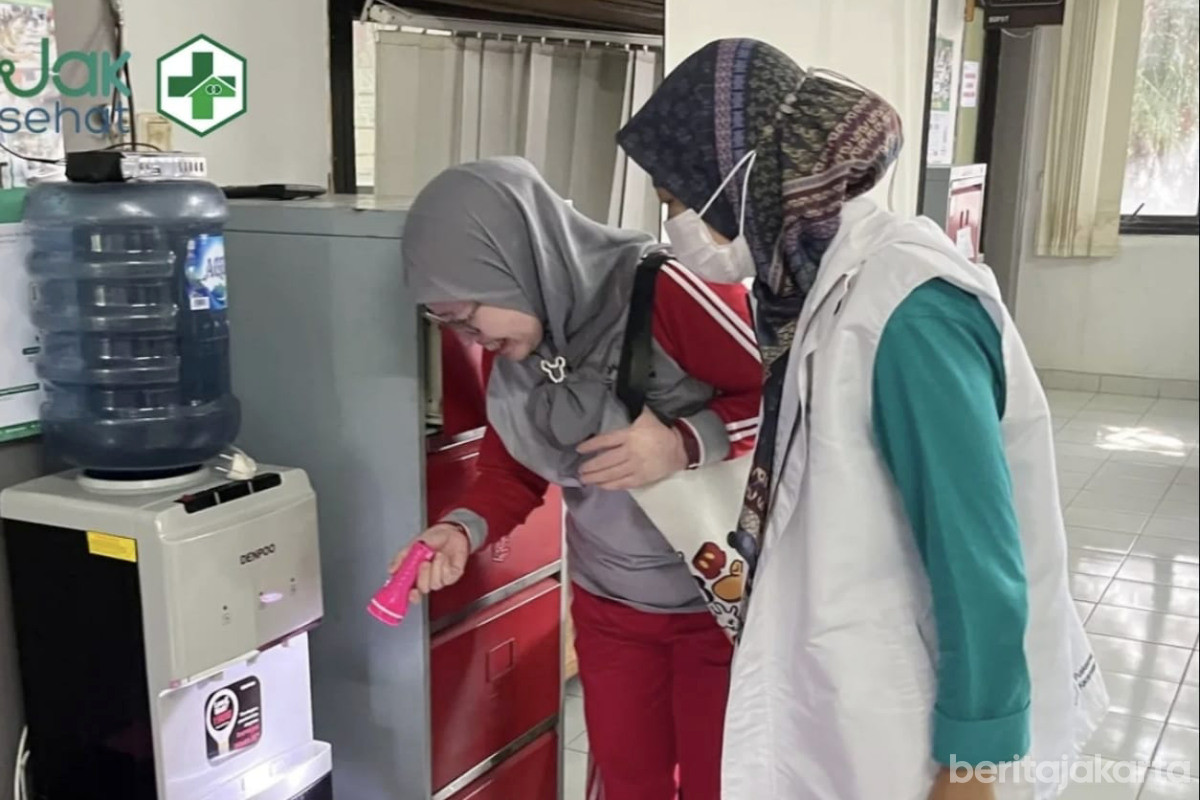
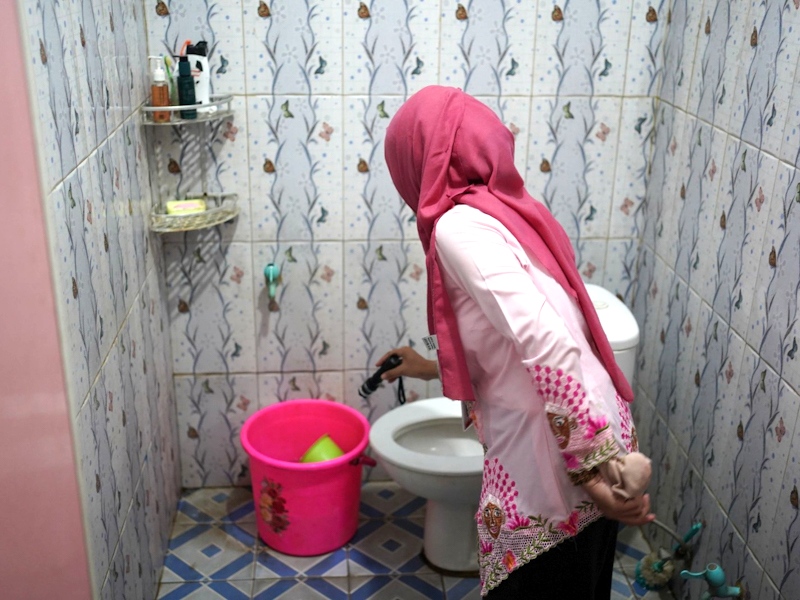
The ABJ is the city's yardstick for measuring how clean a neighborhood is from potential mosquito breeding grounds. To pass with flying colors, a district must maintain a rate of at least 95%.
Currently, Mampang Prapatan is leading the pack at 98%, followed by Pasar Minggu at 97%. Jagakarsa, Cilandak, and Kebayoran Lama also hit the mark at 95%.
"These neighborhoods are doing a great job keeping mosquitoes at bay through consistent eradication programs," he added.
Several sub-districts, including Kebayoran Baru and Tebet, are currently missing the mark with Larva-Free rates below 95%. This serves as a red flag, suggesting that many areas remain breeding grounds for larvae, which significantly hikes the risk of an outbreak.
"Prevention is a two-way street between the government and the community. People are urged to nip the problem in the bud by conducting regular 'Mosquito Nest Eradication' to stop the spread of Aedes aegypti before it starts," he stated.