Beyond Bargains: Pramono Pushes for Markets to Become Global Tourist Hubs
Reported by Dessy Suciati | Translated by Nugroho Adibrata
Jakarta Governor Pramono Anung is calling for a total makeover of the city's traditional markets, urging them to break the mold and evolve from simple trading spots into vibrant cultural, social, and world-class tourist destinations.
This is the backbone of Jakarta’s economy today
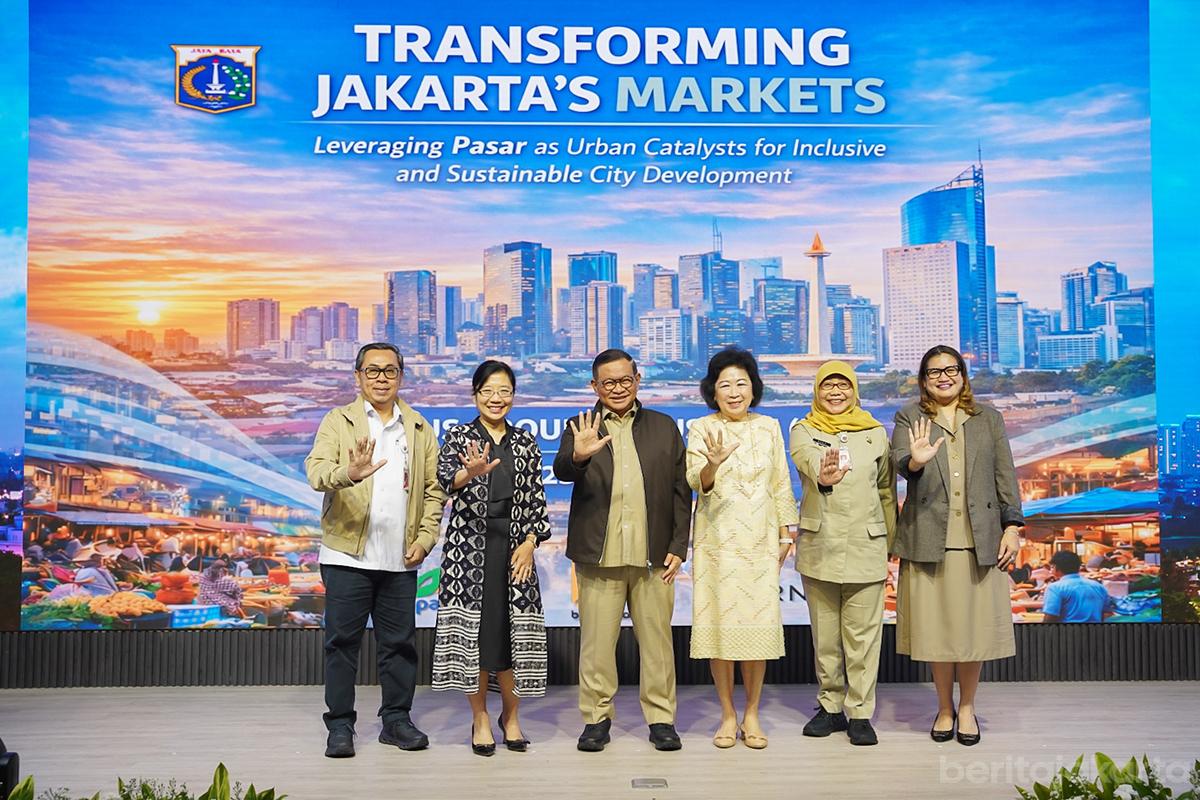
He made the remarks while opening a Focus Group Discussion (FGD) titled ‘Transforming Jakarta's Markets: Leveraging Pasar as Urban Catalysts for Inclusive and Sustainable City Development’ at City Hall, Monday (2/23).
"With 153 markets across Jakarta, I want to see them become more than just places to strike a deal. They should be hubs where culture, social life, and tourism go hand-in-hand," he expressed.
Observer: Pramono's Commitment to Advancing Jakarta Deserves AppreciationThe Governor highlighted the untapped potential of Jakarta’s market network, drawing parallels to world-renowned landmarks such as Tokyo’s Tsukiji, Kyoto’s Nishiki, and Bangkok’s Chatuchak.
While iconic spots like Pecinan Glodok, Pasar Baru, Blok M, and Pasar Santa are already on the map for tourists, Pramono emphasized the need to level up physical infrastructure and embrace digitalization to stay ahead of the curve.
"We must beef up our infrastructure, transition to digital payments, and ensure these spaces are safe. This includes clamping down on parking thuggery once and for all," he explained.
He envisions Jakarta’s markets as the engines of urban development, emphasizing that top-tier management is crucial to realizing this vision.
As part of the city’s modernization drive, Jakarta has been aggressively pushing for digitalization. A recent two-week pilot program across 20 markets saw non-cash transactions surge by a staggering 47%. Beyond just convenience, Pramono noted that going cashless offers both merchants and shoppers peace of mind through enhanced security.
The numbers speak for themselves: Jakarta’s 153 markets, which house over 286,000 MSMEs, rake in approximately Rp 150 trillion annually through sales, levies, and taxes.
"This is the backbone of Jakarta’s economy today," he added.
He highlighted that the changing social landscape among the youth is directly impacting market sustainability. He pointed out how iconic spots like Pasar Santa and Blok M have become go-to haunts where the younger crowd flocks for coffee or culinary adventures, both day and night.
He views this cultural shift as a golden opportunity to further evolve Jakarta’s markets. "There is a clear trend toward more social and healthier lifestyles, and we must strike while the iron is hot to capitalize on this," he explained.
To breathe new life into the city's markets, Pramono emphasized that accessible transportation is the linchpin. By developing infrastructure like MRT stations and expanding Transjakarta services, the city aims to pave the way for a massive boost in market activity.
Jakarta Development Planning Agency (Bappeda) Head, Atika Nur Rahmania doubled down on the government's commitment to moving up the ladder in global city rankings.
"Our sights are set on breaking into the top 50 global cities by 2030 and hitting the top 20 by 2045," she revealed.
To hit the mark, the city is focusing on infrastructure and macro-economic stability, while weaving together an inclusive and authentic urban experience—with traditional markets as the centerpiece. Atika highlighted that markets are the intersection of economy, culture, and urban planning. Thus, the market revamp is a cornerstone of Jakarta’s 2030 strategic play.
The forum (FGD) is expected to pave the way for a five-year transformation agenda and identify priority sites for the city's lighthouse projects.