Waste Sorting Needs Cross-sector Collaboration Support
Reported by Anita Karyati | Translated by Rizky Mawardi
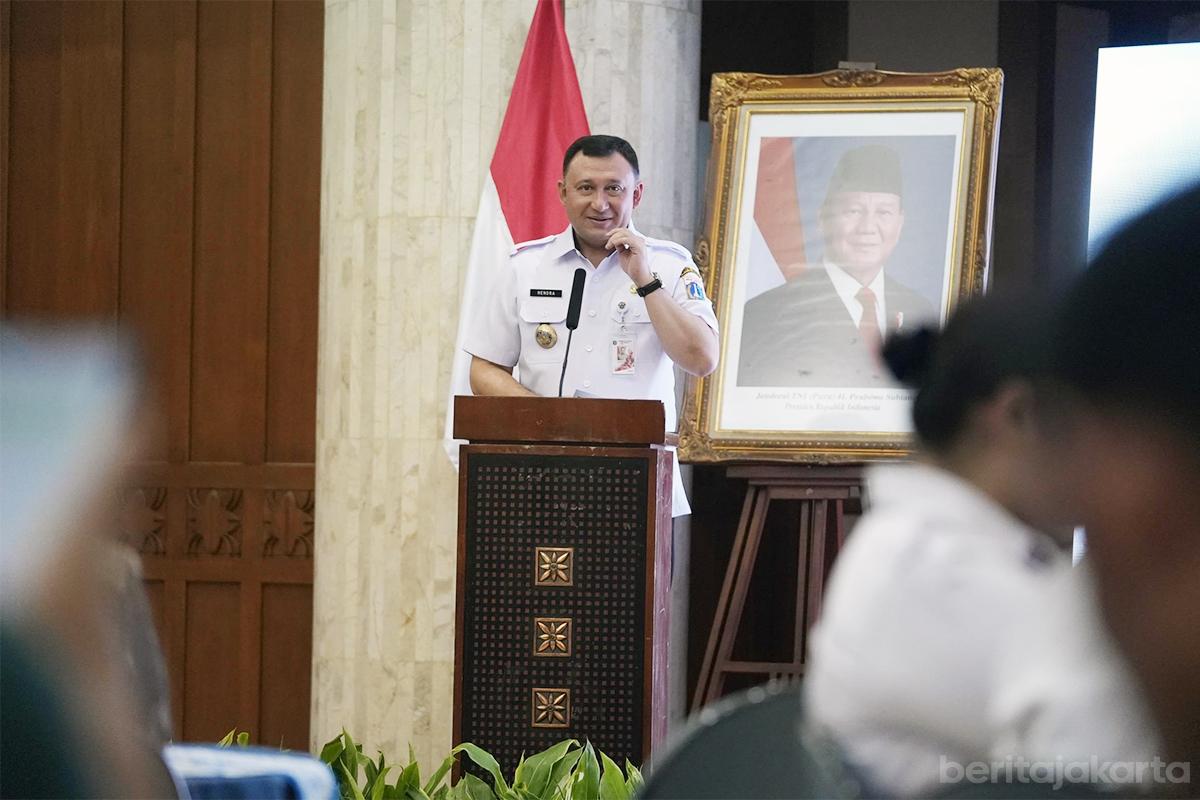
The North Jakarta City Government held a socialization of Corporate Social Responsibility (CSR) support for waste sorting in the Fatahillah Room, local Mayor's Office.
active involvement of all stakeholders through CSR support
North Jakarta Mayor Hendra Hidayat stated that the waste problem remains a major challenge requiring comprehensive management. According to data, waste in North Jakarta reaches approximately 1,400 tons per day.
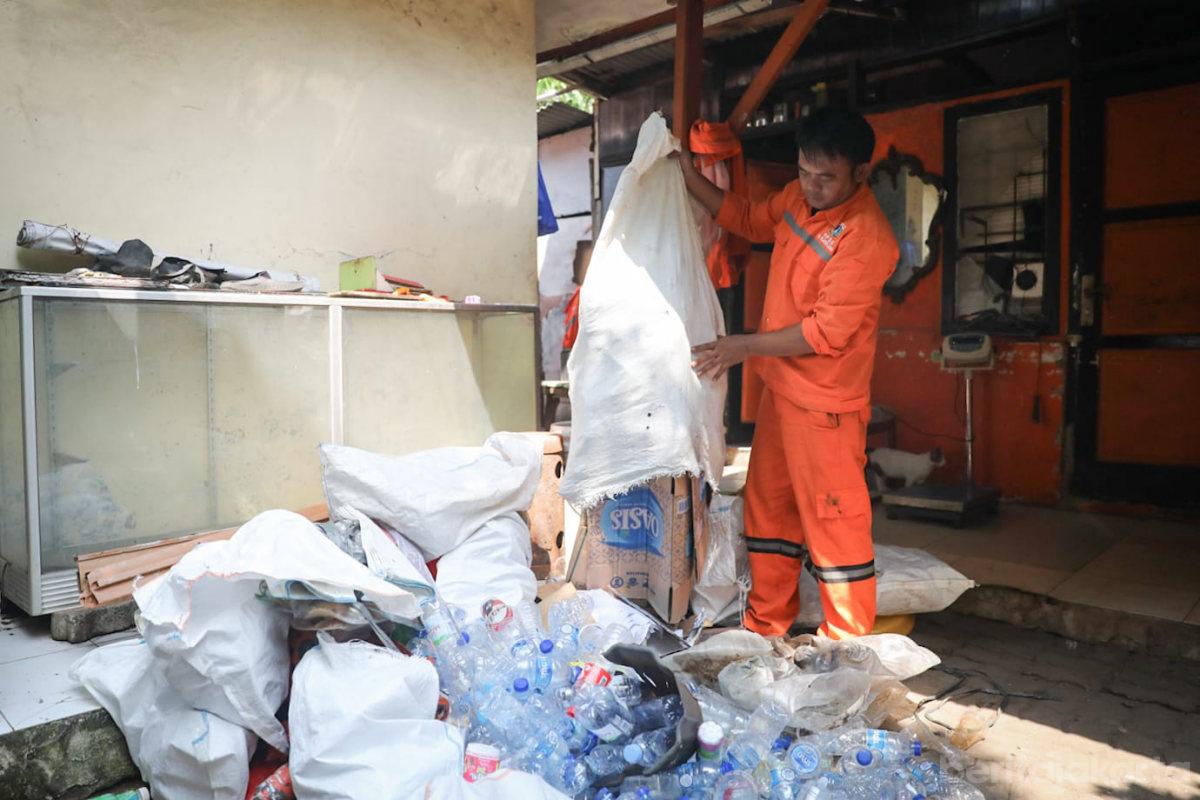
Source-Level Sorting in Rorotan Cuts Six Tons of Waste"Waste management also requires the active involvement of all stakeholders through CSR support, especially in encouraging waste sorting and processing from the source," he said, Wednesday (4/29).
Hendra explained that North Jakarta is currently designated as a pilot project in the national waste management roadmap.
The focus of strengthening includes waste sorting from upstream, increasing the capacity of processing facilities such as TPS3R (Reduce-Reuse-Recycle Waste Processing Facility).
"We also optimized the transportation system to the Bantar Gebang Landfill and the Rorotan RDF facility," he explained.
Rorotan Urban Village is an example of good practices in organic waste management. The area has been able to reduce waste volume by around four tons per day through active community participation and support from facilities and infrastructure.
"We hope that this collaboration can continue to be established through CSR programs, such as providing waste sorting facilities, implementing processing technology, as well as education and campaigns to change people's behavior," he hoped.
Meanwhile, Noer Adi Wardojo, Expert Staff to the Minister for Biodiversity and Socio-Cultural Conservation at the Indonesian Ministry of Environment, emphasized the importance of comprehensive and sustainable waste management. The current dominance of plastic waste requires more systematic handling.
"Waste is not only a matter of cleanliness, but is also closely related to aspects of health and environmental sustainability," he explained.
He added that the national target for 2029 is 100 percent well-managed waste. Therefore, strong synergy is needed between local governments and the business world.
Dependence on the Bantar Gebang Landfill is still considered quite high, so a transformation of the waste management system is needed, including the cessation of open dumping practices, which is targeted for completion in August 2026.
"By strengthening cross-sector collaboration, it is hoped that waste management in Jakarta can be more effective, sustainable, and have a positive impact on environmental quality and community life," he emphasized.