Six Tons of Seaweed Harvested on Pari Island
Reported by Budhi Firmansyah Surapati | Translated by Nugroho Adibrata
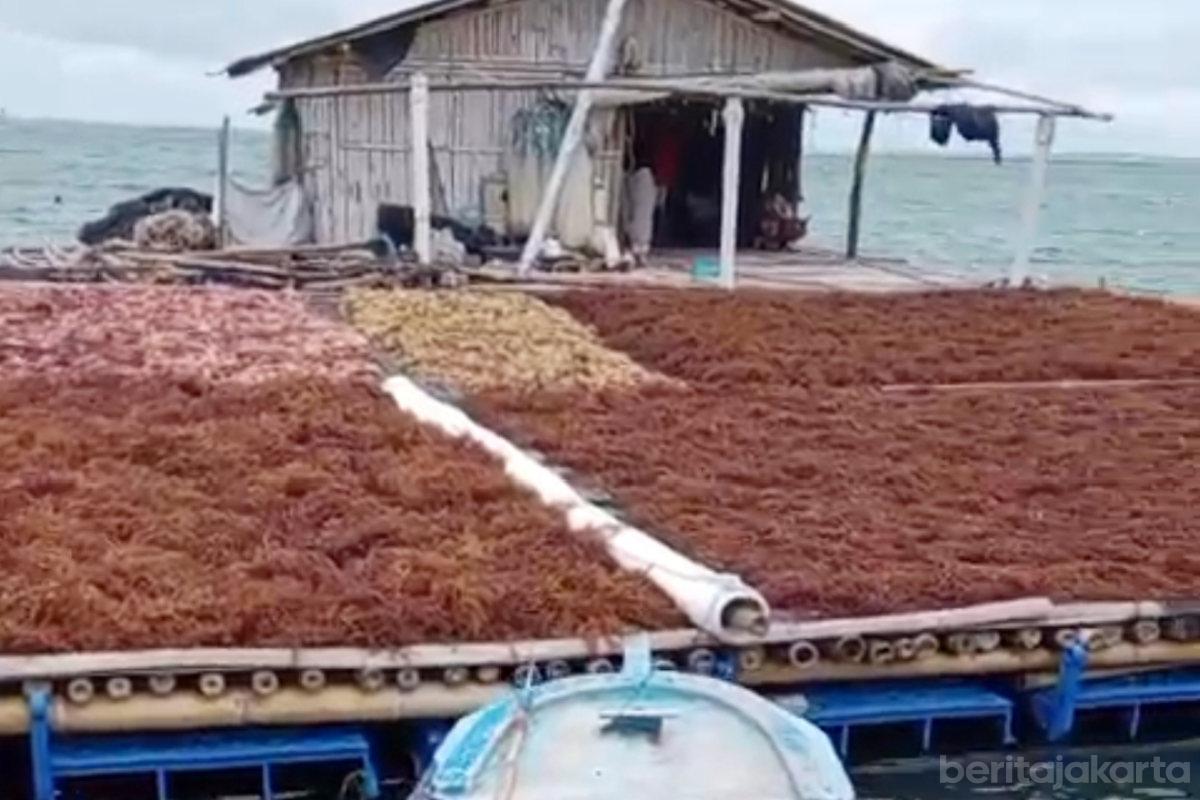
The Cottoni Jaya Cultivation Group on Pari Island, South Seribu Islands, has successfully harvested six tons of seaweed during the period of January to April 2026.
Price fluctuations and market distribution remain significant challenges for us
According to Furkon, Chairman of the Cottoni Jaya Seaweed Cultivation Group, the majority of the current harvest is marketed to the Tangerang area. In terms of pricing, salted dry seaweed is valued at Rp 12,000 per kg, while plain dry seaweed fetches a higher price of Rp 40,000 per kg.
“Price fluctuations and market distribution remain significant challenges for us,” he expressed, Thursday (5/7).
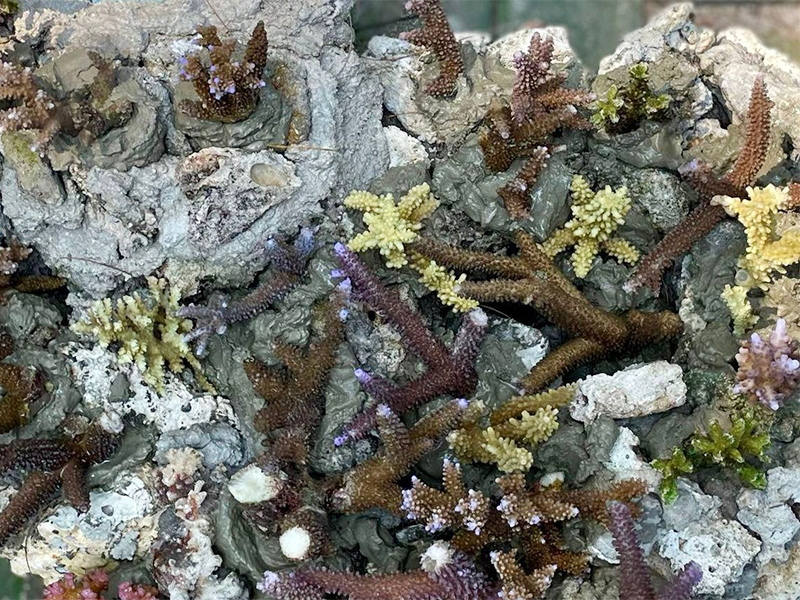
600 Coral Reef Substrates Deployed in Pari Island WatersHe expressed hope for sustained government support through technical guidance and the expansion of market access to foster the growth of seaweed aquaculture and enhance the welfare of group members.
“With its abundant natural resources, seaweed cultivation in Seribu Islands has the potential to become a flagship sector that bolsters the economic resilience of coastal communities,” he emphasized.
Seribu Islands Food Security, Maritime, and Agriculture Sub-agency (KPKP), Nurliaticommended the Cottoni Jaya Group for their consistent productivity.
“From January to March, the yield of dry seaweed reached approximately four tons, while the March to April period contributed an additional two tons,” she noted.
According to her, the Cottonii and Spinosum seaweed varieties are the most suitable for development in the Pulau Pari region. Meanwhile, the Sargassum variety is typically available naturally in the surrounding waters.
She furthered that the potential for seaweed aquaculture in the Thousand Islands remains vast. Consequently, she urged local cultivators to remain optimistic and maintain high production levels.
“We're continuously encouraging an increase in the number of active farmers and strengthening marketing strategies to improve the commodity's market value,” she concluded.