Jakarta Strengthens Waste Management Commitment at Indonesia-Japan Environment Week 2026
Reported by Tiyo Surya Sakti | Translated by Nugroho Adibrata
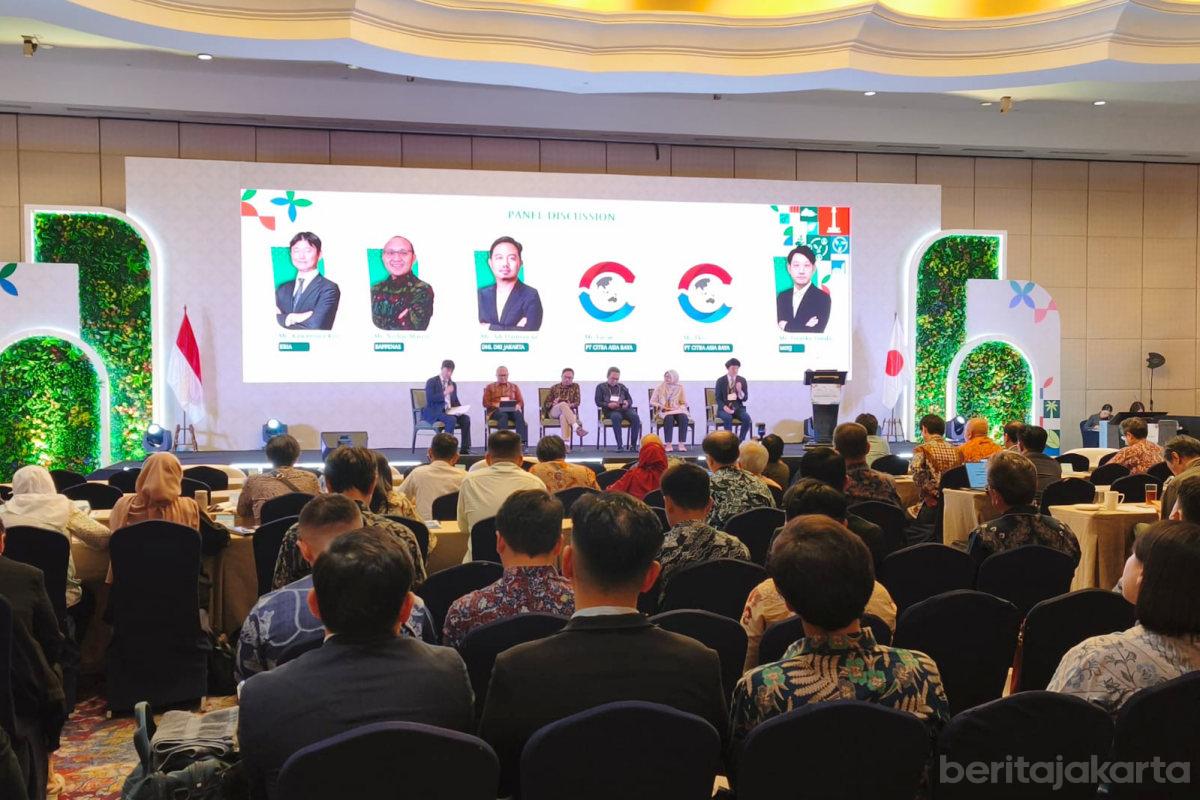
The Jakarta government continues to reinforce its commitment to addressing environmental challenges, particularly urban waste management. This commitment was reaffirmed during the 2nd Indonesia-Japan Environment Week, held on May 11-12, 2026, at The Ritz-Carlton Jakarta, Mega Kuningan, Setiabudi.
The Jakarta government continues to reinforce its commitment to addressing environmental challenges, particularly urban waste management
Jakarta Environment Agency Head, Dudi Gardesi Asikin, stated that the event is highly relevant to the challenges faced by global cities like Jakarta, which deal with increasingly complex environmental issues, especially regarding waste.
"Sustainability for Jakarta is no longer just an option; it is an urgent necessity, particularly in waste management," he expressed, Monday (5/11).
Jakarta Pushes Waste Sorting to Tackle Waste CrisisHe explained that Jakarta currently generates approximately 9,000 tons of waste per day. Of this amount, around 87 percent, or 7,800 tons, is sent directly to the Bantar Gebang Landfill.
According to him, this situation serves as a critical reminder that the traditional "collect, transport, and dump" model of waste management is no longer sustainable.
"The public needs to start adopting a new paradigm through waste reduction, sorting, and processing at the source. Further, starting August 1, 2026, Bantar Gebang will only accept residual waste and will operate fully as a sanitary landfill," he explained.
Based on recent studies, approximately 50 percent of Jakarta's waste is organic material, while another 40 percent consists of recyclable materials. By sorting waste at the household level, roughly 90 percent of waste could effectively be managed at the source (upstream).
"Partnership is the key. Japan's expertise in the circular economy, resource efficiency, and environmentally friendly technology provides valuable lessons for Jakarta," he remarked.
He added that the future of a city is determined not only by economic growth but also by its ability to manage resources, protect the environment, and improve the quality of life for its residents.
"Jakarta is committed to being part of this transformation through partnership, innovation, and shared responsibility to build a greener, more resilient, and sustainable city," he added.
Meanwhile, the Chargé d'Affaires ad interim of the Embassy of Japan to Indonesia, Myochin Mitsuru, expressed his appreciation for the event, which involved ministries and business players from both nations.
"This event has successfully attracted the participation of around 30 companies from Indonesia and Japan, as well as more than 500 participants," he said.
Myochin noted that under the leadership of President Prabowo Subianto, Indonesia has demonstrated a strong commitment to global environmental issues, including the issuance of regulations concerning the acceleration of Waste-to-Energy (WtE) projects and carbon economic value.
He pointed to the Legok Nangka Waste-to-Energy project in West Java as a concrete example of collaboration between the two countries under the Asia Zero Emission Community (AZEC) framework.
"Hopefully, the seminars, business pitches, and exhibitions during this environment week can serve as a catalyst for new collaborations in resolving environmental issues and climate change in Indonesia," he concluded.