E. Jakarta Converts 3.4 Tons of Organic Waste Into Compost and Maggot Feed
Reported by Nurito | Translated by Maria Inggita
Around 3.4 tons of organic waste per day is currently being processed into maggot feed and compost materials as the East Jakarta Environment (LH) Sub-agency steps up efforts to reduce waste sent to Bantar Gebang Integrated Waste Processing Site (TPST) in Bekasi.
Initially, only around 1.4 tons of organic waste was processed per day
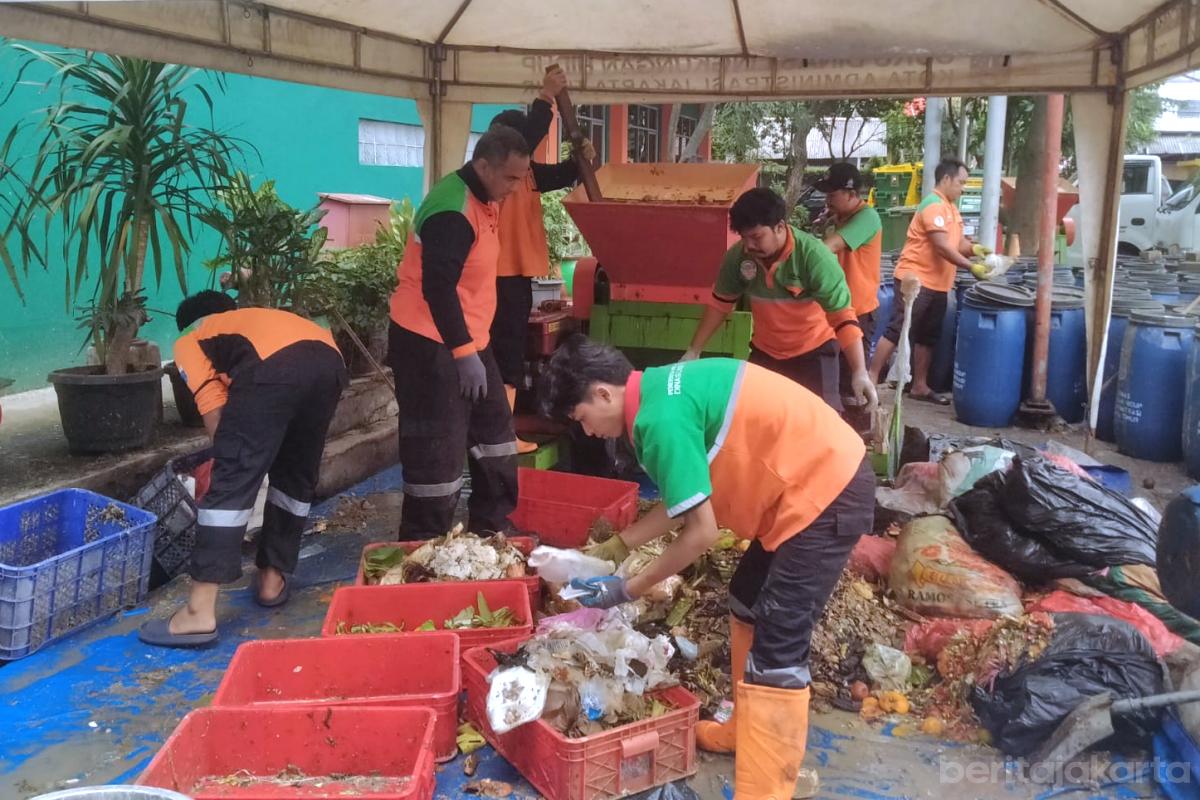
Organic waste from 10 sub-districts was collected and processed at the East Jakarta Environment Agency office, according to Beritajakarta's observations on Monday (5/18).
Jakarta Intensifies Organic Waste Processing EffortsBefore processing, the waste was re-sorted to separate plastic, leaves, and other materials that could not be fermented, then weighed and shredded into organic pulp using a machine with a 500-kilogram-per-hour capacity.
The organic pulp is then placed into 80-liter containers and mixed with EM4 liquid and molasses to accelerate the fermentation process.
East Jakarta Environment Sub-agency Head Monang Sinaga said the organic waste processing program has been running since early April 2026.
"Initially, only around 1.4 tons of organic waste was processed per day, but it has increased to around 3.4 tons per day," he noted.
According to him, the organic waste processing program is part of efforts to ease the waste burden at TPST Bantar Gebang.
He explained that East Jakarta generates around 1,250 tons of organic waste per day, but the current processing capacity is only capable of handling around 3.4 tons.
Therefore, the administration continues to encourage residents to support household-level waste sorting by separating organic, non-organic, and residual waste.
"In the future, only residual waste should be sent to TPST Bantar Gebang. Organic and non-organic waste must be processed first," he emphasized.
Monang also urged residents to send organic waste to drop points available in each sub-district. The waste will then be transported to the East Jakarta Environment Agency office to be processed into maggot feed and compost.
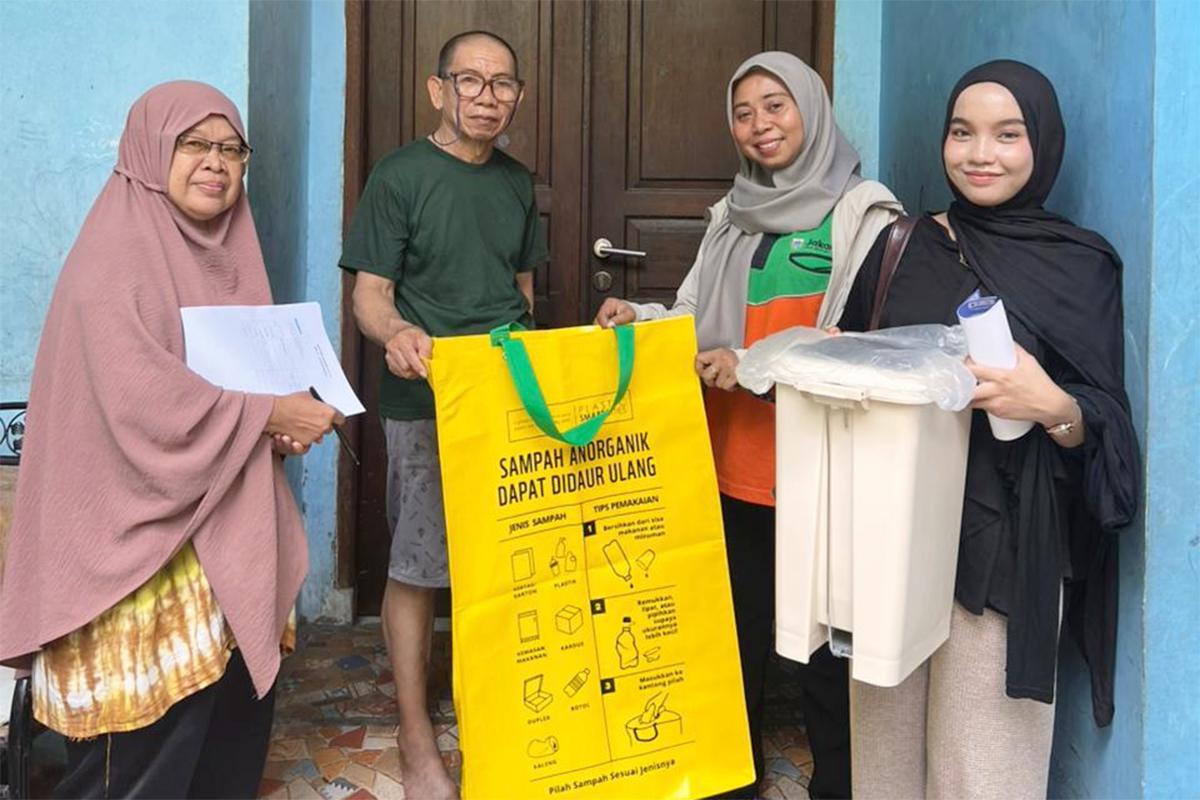
Meanwhile, Head of the Waste and Hazardous Waste Management Section at the East Jakarta Environment Sub-agency, Aditya Pamungkas, said that 2,405 waste bins with a capacity of 80 liters have been prepared to support the community-based organic waste sorting program.
The bins have been distributed to residents as containers for sorted organic waste. Every day, officers collect waste from residents across 10 sub-districts and transport it to the processing site.
"The organic pulp is currently being used as maggot feed at the East Jakarta Environment Sub-agency office, while some is sent to offtakers Harmoni Farm and Magota Plus in Tangerang, Banten," he explained.