Education Programs Urged to Prioritize Underprivileged Families
Reported by Fakhrizal Fakhri | Translated by Nugroho Adibrata
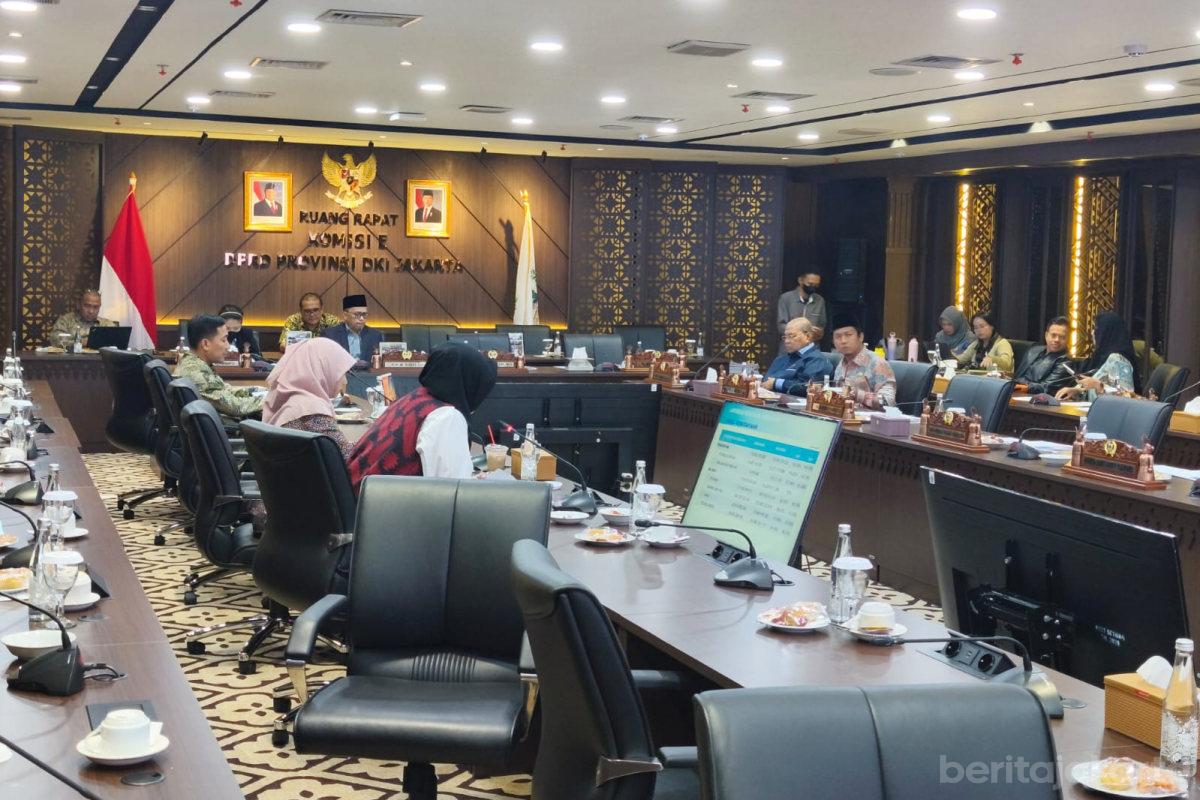
Jakarta City Council Commission E Chairman, M Subki called on the Jakarta government to prioritize underprivileged communities in providing access to education.
Commitment to the lower class must be a priority
According to Subki, during every student admission cycle, his office frequently receives complaints from residents who fail to secure a spot in public schools, despite coming from families in need.
"Commitment to the lower class must be a priority. Those who are economically disadvantaged often lose out in the competition due to financial constraints, learning quality, and lack of proper nutrition,” he expressed, Friday (6/19).
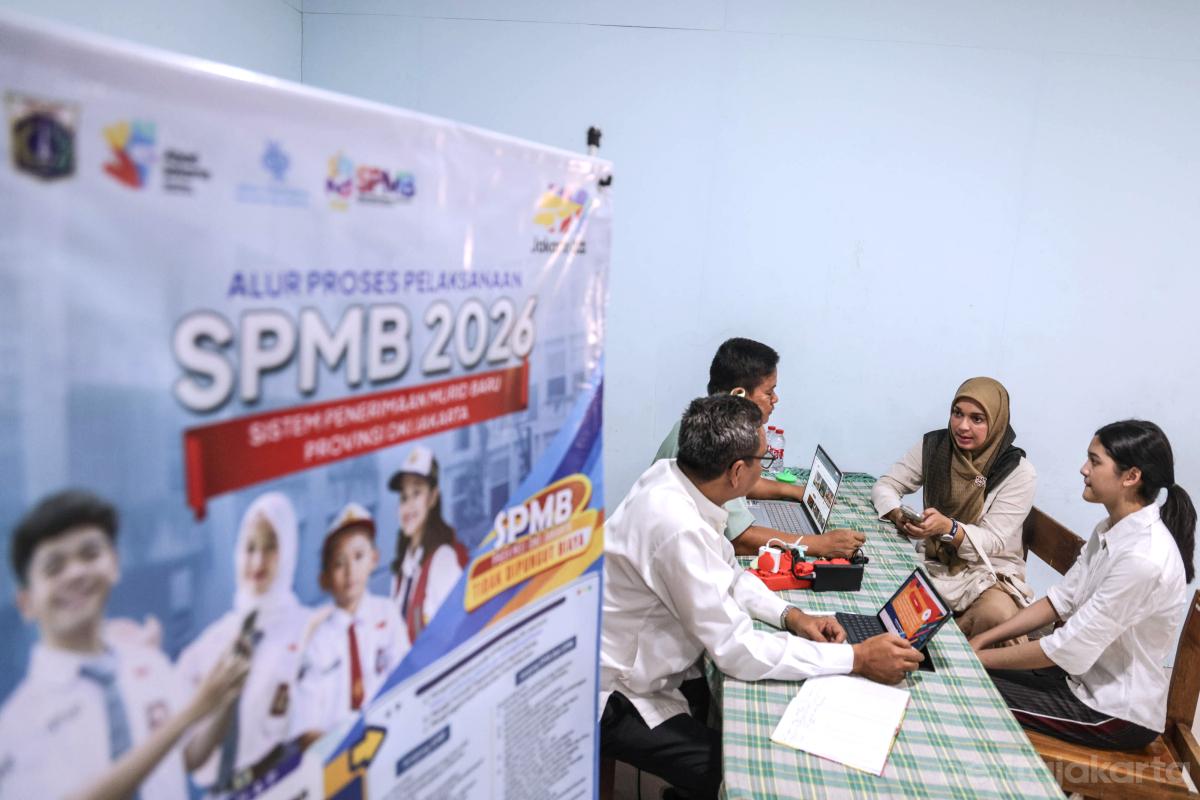
Residents Appreciate SPMB Post Service in North JakartaFurther, he pushed for educational programs such as the 'Sekolah Rakyat' (People's Schools) initiated by the Social Ministry, as well as boarding school programs, to be prioritized for underprivileged residents.
He noted that the government needs to devote greater attention to community groups that have historically faced barriers in accessing educational services.
While he appreciated the Education Agency's efforts to add more study groups in public schools for higher student intake, he pointed out that these measures still fall short of addressing the community's full needs.
Concerning the zoning policy, Subki remarked that the current mechanism has yet to reach its ideal form. However, it can remain as one of the established pathways for new student enrollment.
He further emphasized that both the affirmative and achievement-based tracks need to be bolstered, allowing a greater number of children the chance to obtain a quality education.
According to Subki, educational matters continue to be a top priority for the public during the council members’ constituency visits.
“Nearly all council members receive inquiries regarding KJP (Jakarta Smart Card), KJMU (Jakarta Superior Student Map), and social assistance. This indicates that the public's need for education and welfare services remains substantial,” he concluded.