2,671 Coral Substrates in Seribu Islands Restore Coastal Ecosystems
Reported by Aldi Geri Lumban Tobing | Translated by Nugroho Adibrata
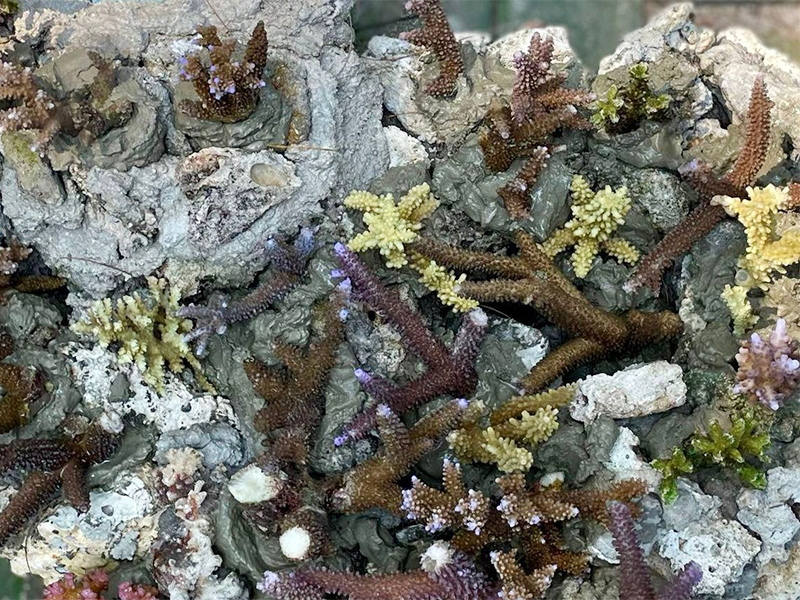
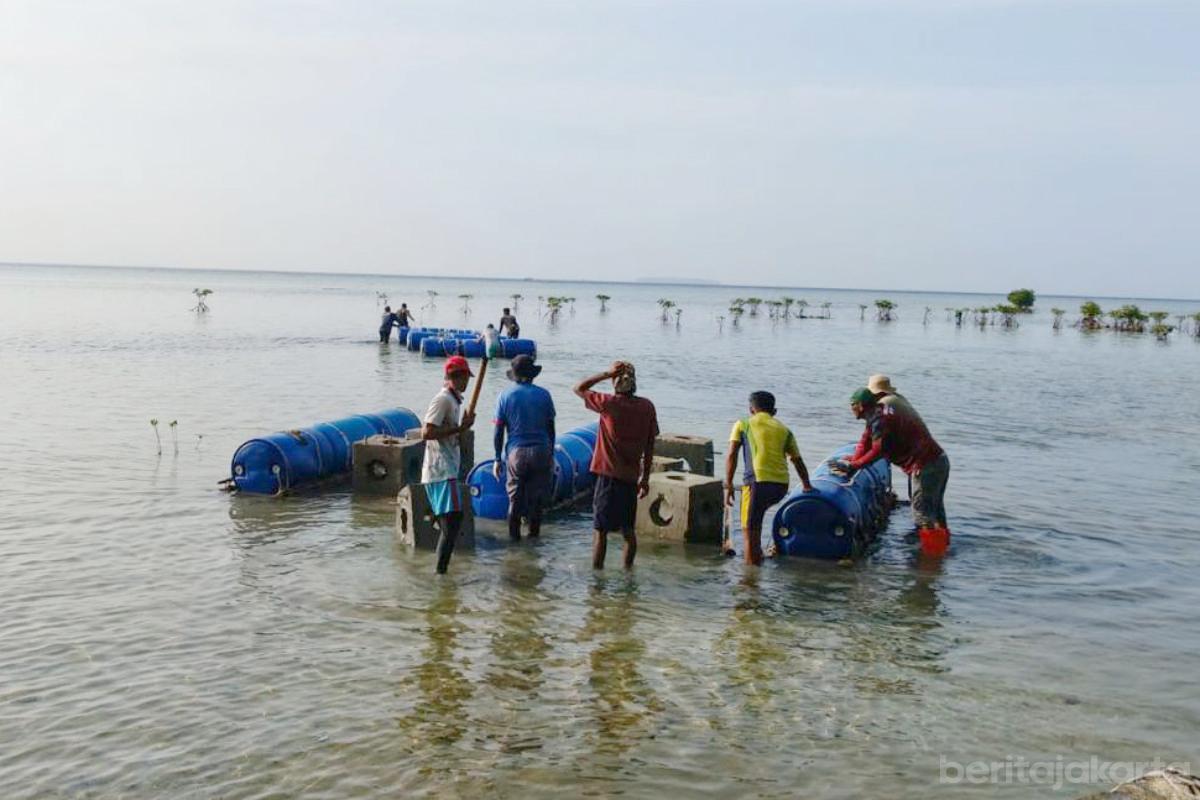
The Jakarta Food Security, Maritime and Agriculture Agency (KPKP) installed 2,671 coral substrate units on Lancang, Pari, Tidung, and Payung islands for the Coastal Conservation and Rehabilitation 2026 initiative.
Coral reefs are the ocean's tropical rainforests
This activity serves as a centerpiece for the commemoration of World Ocean Day, Coral Triangle Day, and Jakarta's 499th anniversary.
The transplantation effort brings together various stakeholders, including Community-Based Marine Protected Area Groups, environmentalists, NGOs, and representatives from academia.
600 Coral Reef Substrates Deployed in Pari Island WatersJakarta Food Security, Maritime and Agriculture Agency Head, Hasudungan Sidabalok stated coral transplantation is one of Jakarta government's three major steps in the Jakarta Coastal Conservation and Rehabilitation Action.
Beyond launching the Jakarta Marine Protected Area and holding Coral Triangle Day, rehabilitating reefs is a key measure for ocean sustainability.
He noted, coral reefs are vital for marine biodiversity and the livelihoods of people along the coast.
"Coral reefs are the ocean's tropical rainforests. No coral means no fish, and no fish means no fishermen. Today, we have placed 2,671 coral substrate units at four islands in Seribu Islands area. The figure 2,671 is not accidental—it is a symbol of the year we move forward, the start of a new era,” he expressed, Tuesday (6/23).
He explained this rehabilitation aims to restore marine life while simultaneously supporting sustainable fisheries and the well-being of local fishers.
By implementing these measures, the Jakarta government aims for a phased recovery of coral reef zones in the years ahead.
"Restoring coral reefs will offer ecological advantages and enhance productivity within the fisheries and marine tourism sectors across Jakarta’s coast. We are aiming for five hectares of recovered reefs by 2030,” he explained.
He added that this conservation effort proves the theme ‘Moving Towards Jakarta’s New Era’ is not just for show.
“Jakarta’s new era means development in harmony with sustainability. It’s about a growing blue economy, thriving fishermen, and a healthy ocean,” he continued.
Hasudungan also called upon all stakeholders to uphold their commitment to nurturing marine ecosystems by monitoring marine protected areas, maintaining the planted corals, and making every day a Coral Triangle Day.
“We believe that guarding our seas means guarding Jakarta. From our shores, we are moving toward Jakarta’s new era—one that is blue, resilient, and thriving,” he asserted.