Blok M Proposed as Jakarta’s First Low Emission Zone Pilot
Reported by Aldi Geri Lumban Tobing | Translated by Nugroho Adibrata
The Jakarta government, in collaboration with Breathe Cities, has unveiled the ‘Jakarta Integrated Low Emission Zone: From Ambition to Action’ report, underscoring a firm commitment to public health, climate resilience, and sustainable urban development.
This approach goes beyond transportation, holistically addressing multiple emission sources
The report was unveiled during the Plenary Session of the Climate Disaster Mitigation and Adaptation Working Group (Pokja MABI), which carried the theme: ‘From Low Emission Zones toward Climate Resilience: From Ambition to Action.
Breathe Cities officially handed over the report to the Jakarta government as part of an ongoing partnership to drive the city toward cleaner air and a healthier living environment for its residents.
Jakarta Strengthens Clean Air Efforts Through Low-Emission Zone InitiativeJakarta Environmental Agency Head, Dudi Gardesi highlighted the Jakarta government’s commitment to taking real action against air quality challenges.
He described the new report as an evidence-based policy roadmap that sets the strategic direction and implementation steps for Jakarta’s Low Emission Zone.
“This approach goes beyond transportation, holistically addressing multiple emission sources—including waste management, the circular economy, energy, industry, and land-use planning,” he expressed, Thursday (6/25).
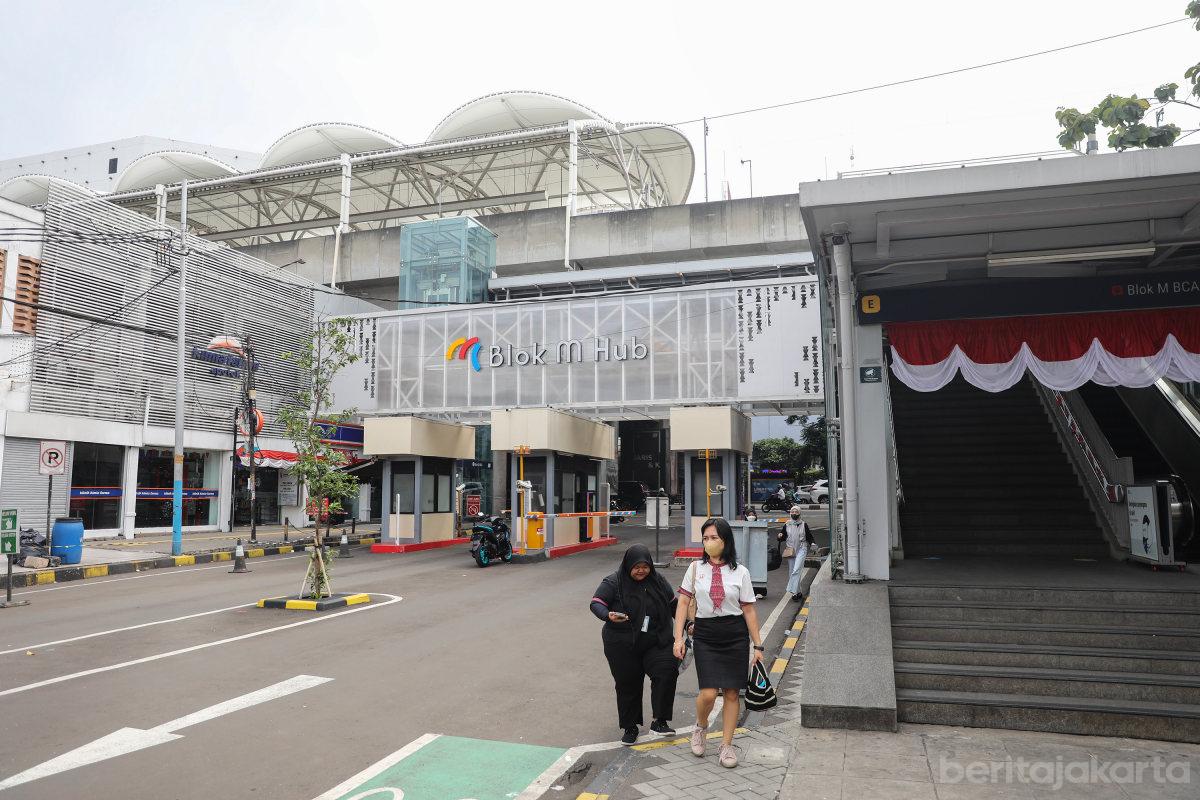
This report identifies Blok M as the inaugural pilot zone for the Low Emission Zone initiative. Selected as the top recommendation from five priority clusters—Kota Tua, GBK–Senayan, Medan Merdeka, Dukuh Atas, and Blok M—the area is deemed to have the ideal characteristics for a successful, gradual policy rollout.
“Blok M possesses strong public transportation connectivity, dynamic economic activity, and a variety of mixed-use functions. These attributes make it a strategic starting point for testing integrated interventions prior to a broader rollout throughout Jakarta,” he explained.
He noted that the Low Emission Zone will be implemented incrementally through 2029. The process will be evidence-based and adaptive, ensuring it aligns with community readiness and the supporting ecosystems in each zone. Additionally, the report identifies transportation as one of the leading drivers of air pollution in the capital.
“In the most ambitious scenario, the Low Emission Zone framework could slash PM2.5 levels by over 14.3 percent throughout priority zones, with the GBK–Senayan area seeing a significant drop of up to 20.7 percent,” he added.
He went on say that the improvement in air quality is estimated to yield approximately Rp 1.9 trillion in health and welfare benefits annually. These gains stem from reduced healthcare costs, lower exposure to hazardous air pollutants, and a decreased risk of premature mortality due to air pollution.
“These results provide a crucial basis for reinforcing public policies that put people first. We see air quality improvement not merely as an environmental mission, but as a fundamental government duty to ensure the health, productivity, and overall well-being of all Jakartans,” he furthered.
He underscored that the Low Emission Zone is far more than just limiting vehicles. Its success is contingent upon providing people with reliable, comfortable, and affordable mobility alternatives that are easy to access.
He noted that this approach reflects the Jakarta government’s commitment to providing balanced solutions: reducing pollution and protecting public health, while ensuring residents have access to better mobility options.
“So, strengthening public transport, intermodal integration, improving pedestrian facilities, and maintaining open public communication are essential to the implementation process. The government also places community engagement as a core element to ensure the policy is understood, accepted, and implemented collectively,” he concluded.