44,083 Homes in Central Jakarta Sort Waste at the Source
Reported by Folmer | Translated by Rizky Mawardi
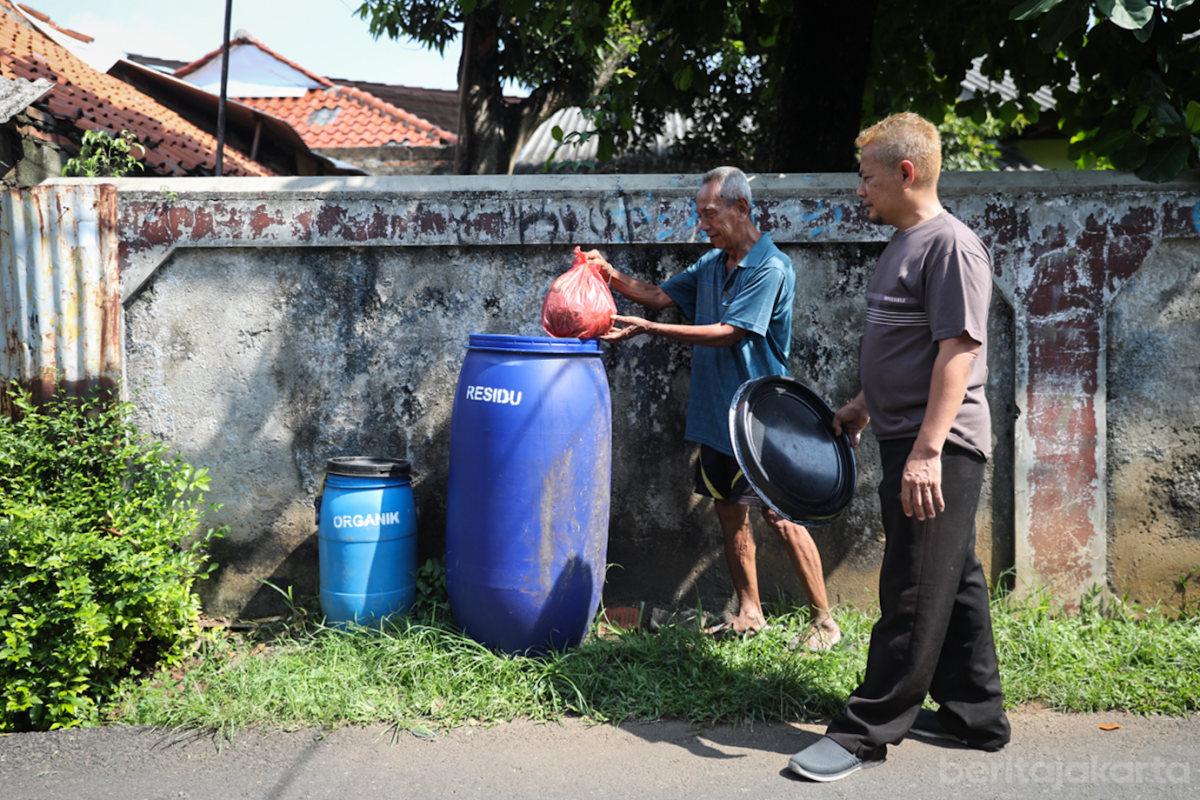
As many as 44,083 of the total 126,514 houses spread across eight districts in Central Jakarta are currently sorting waste at the source.
Work together to process waste optimally
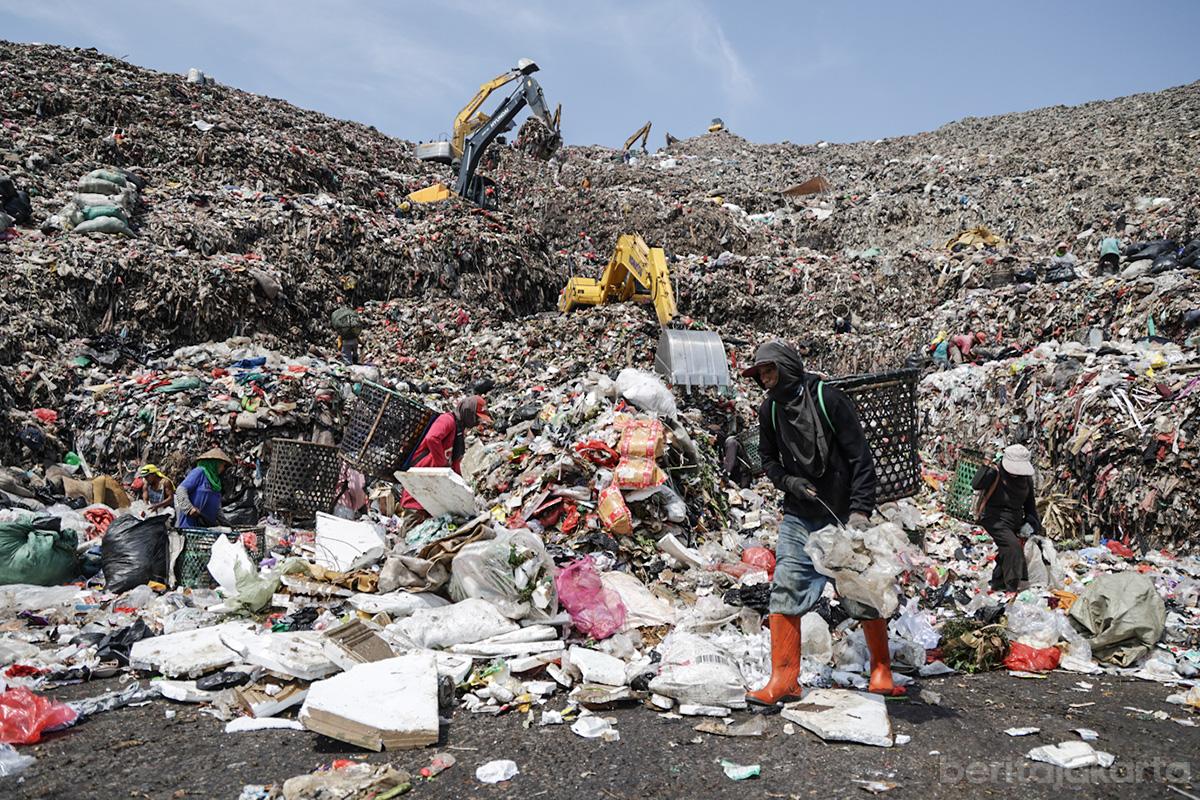
Central Jakarta Mayor Arifin said that his rank continues to boost waste sorting at source following the implementation of a policy limiting waste transportation to the Bantar Gebang Integrated Waste Processing Site (TPST) on August 1.
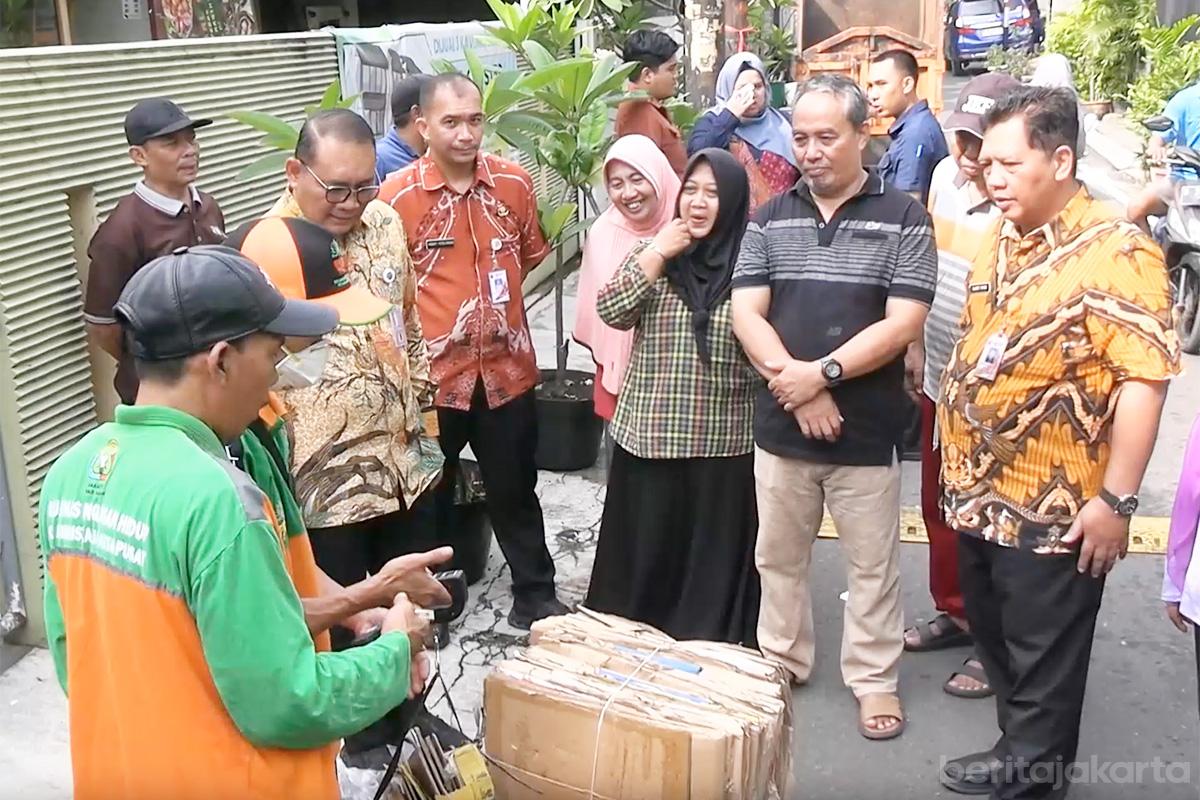
Rano Urges Jakarta Scouts to Be Active in Waste Sorting Movement"Data shows that waste sorting in 44 urban villages reached 33.26 percent as of August 3, 2026, or 44,083 of the total target of 126,514 households across eight districts. This figure must continue to improve," he said, Tuesday (8/4).
Arifin added that his rank is also encouraging 386 neighborhood associations (RW) in Central Jakarta to actively manage inorganic waste independently through the activation of waste banks, and organic waste through composting and biopore hole methods.
"I also urge regional officials to implement a creative financing model, engaging the private sector and corporations to work together to process waste optimally," he added.
He also instructed that waste sorting be carried out across sectors, such as school environments through the Education Sub-agency I and II, the hotel industry, cafes and entertainment venues through the Tourism and Creative Economy Sub-agency.
Meanwhile, Head of Central Jakarta Environmental Sub-agency, Slamet Riyadi explained inorganic waste processing from January to July 2026 successfully reduced approximately 1,177.22 tons, with an average reduction of 196.09 tons per month, or approximately 6.54 tons per day. Meanwhile, organic waste processing from January to June 2026 reached 221.23 tons.
"Organic waste processing in Central Jakarta is carried out through several methods, namely collecting kitchen organic waste (SOD), cultivating maggots, composting, teba, bioreactors, biopores, kitchen waste lodong (Losida), utilization as animal feed, and making eco-enzymes," he explained.