5,157 Trees in North Jakarta Pruned
Reported by Anita Karyati | Translated by Nugroho Adibrata
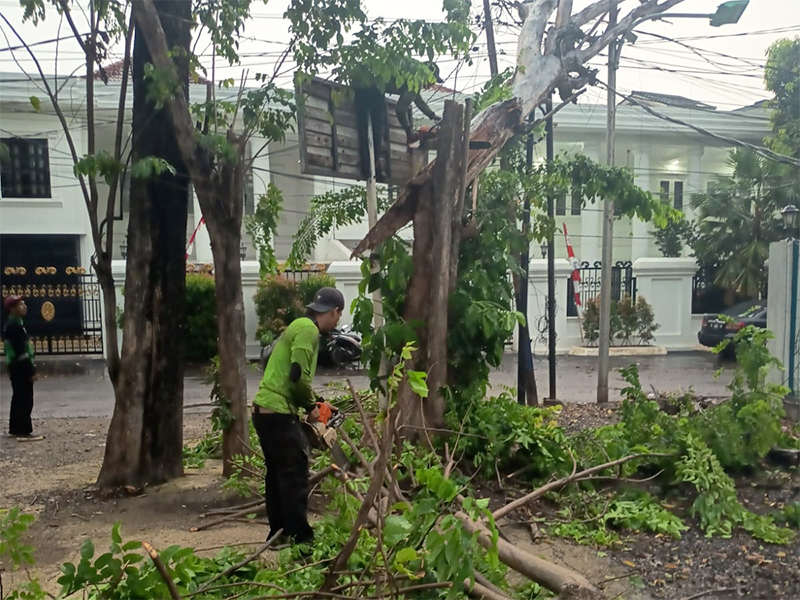
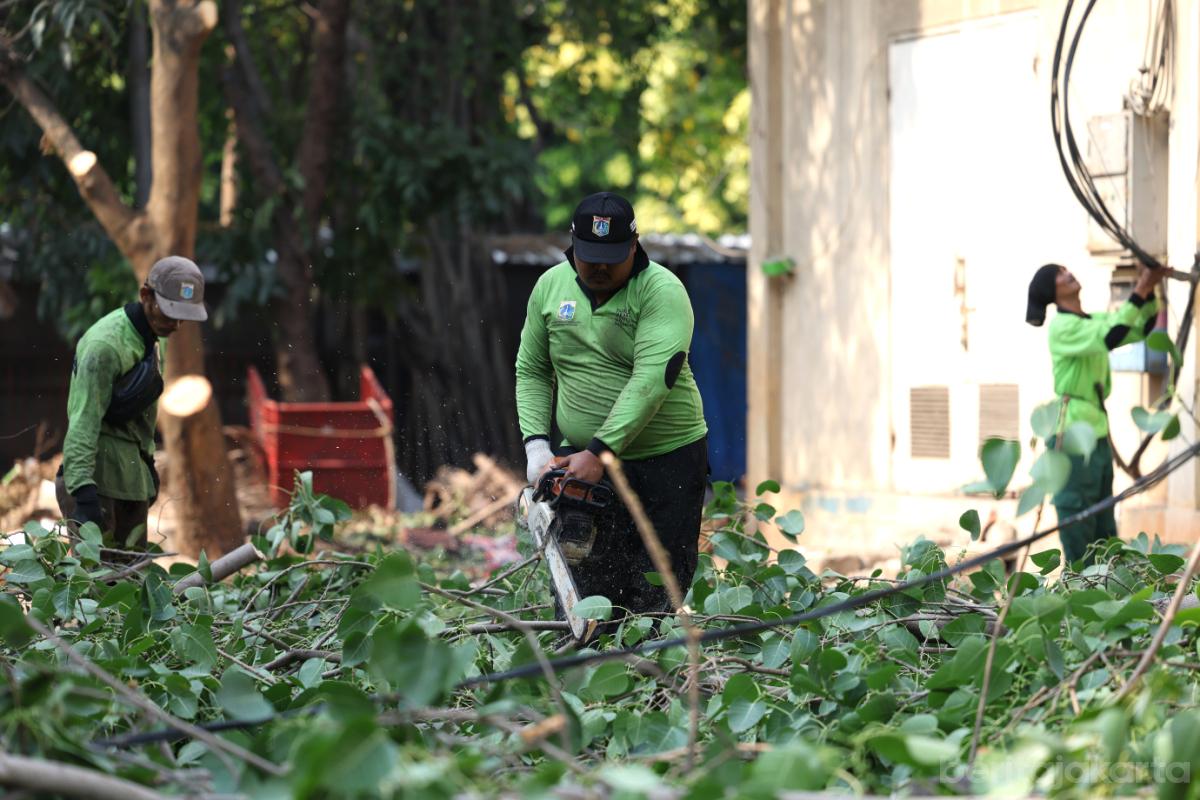
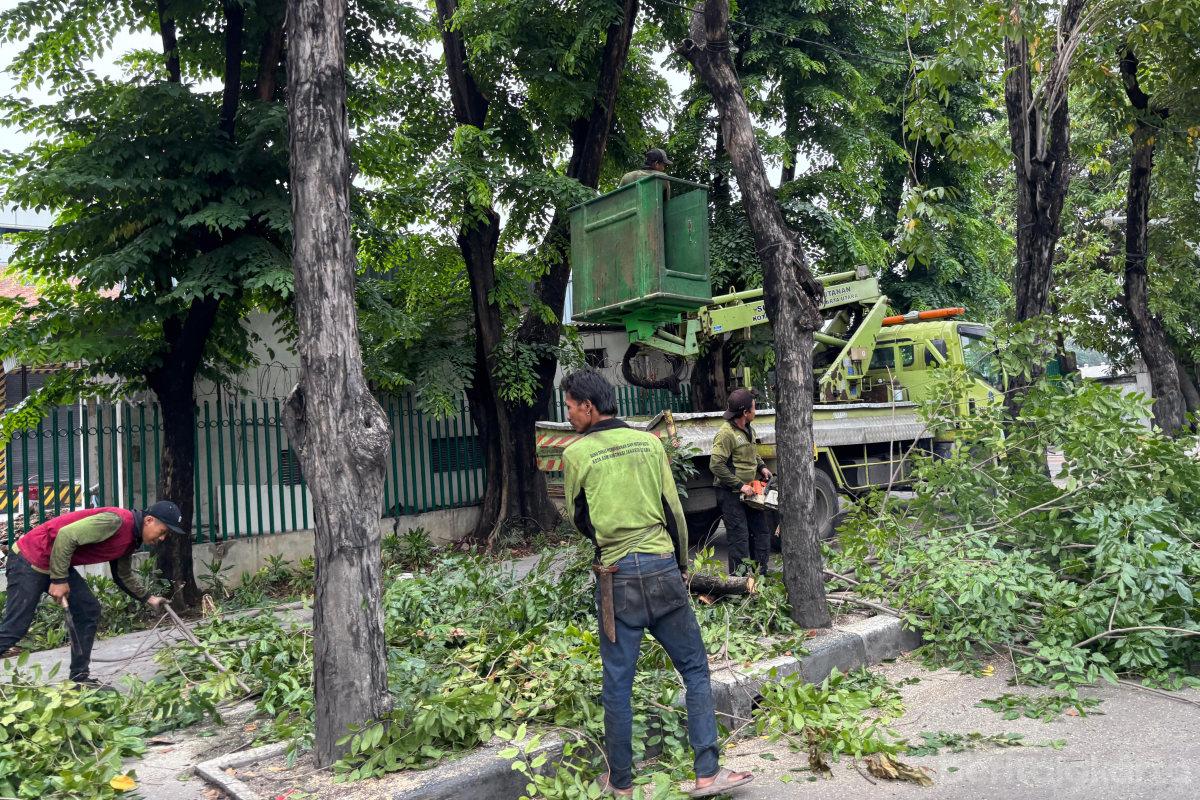
North Jakarta is taking no chances with the weather. From the start of the year through July 2026, the North Jakarta Park and City Forest Sub-agency has pruned a staggering 5,157 trees identified as falling hazards.
Our priority is to stay ahead of extreme weather
This massive operation spanned all six sub-districts in the area to keep residents safe on the road.
The breakdown of the operation includes:
Rainy Season, Tree Pruning in South Jakarta Intensified689 trees given a light trim.
3,812 trees receiving medium pruning.
370 trees heavily topped for maximum safety.
In addition to pruning, the team removed 173 dead or hollow trees that posed a significant risk.
"Our priority is to stay ahead of extreme weather and protect the community," expressed North Jakarta Park and City Forest Sub-agency Head, Reina Camelia, Friday (8/7).
Reina explained that over the past seven months, her team has handled 93 fallen trees caused by strong winds and heavy downpours.
She emphasized that pruning activities are not only based on routine field inspections by officers but also serve as a direct follow-up to public reports.
"In the same period, we addressed 854 trees based on resident complaints submitted through the Citizen Response (CRM) app," she noted.
She added that personnel at both the sub-district and sub-agency levels conduct daily monitoring of potentially hazardous trees.
The surveillance covers arterial roads, main thoroughfares, parks, and residential areas, specifically targeting trees with dense canopies or branches overhanging the roadway.
"The species we prune are quite diverse, ranging from rain trees (Trembesi) and Mahogany to Flamboyants and Tabebuyas," she explained.
Reina hoped that consistent tree maintenance would significantly minimize the risk of accidents caused by fallen trees in her jurisdiction.
"We hope these efforts create a sense of security and peace of mind for the public, particularly for motorists traveling during extreme weather conditions," she concluded.