Duren Sawit Health Center Introduces GKM Mentari to Support Child Speech Development
Reported by Nurito | Translated by Maria Inggita
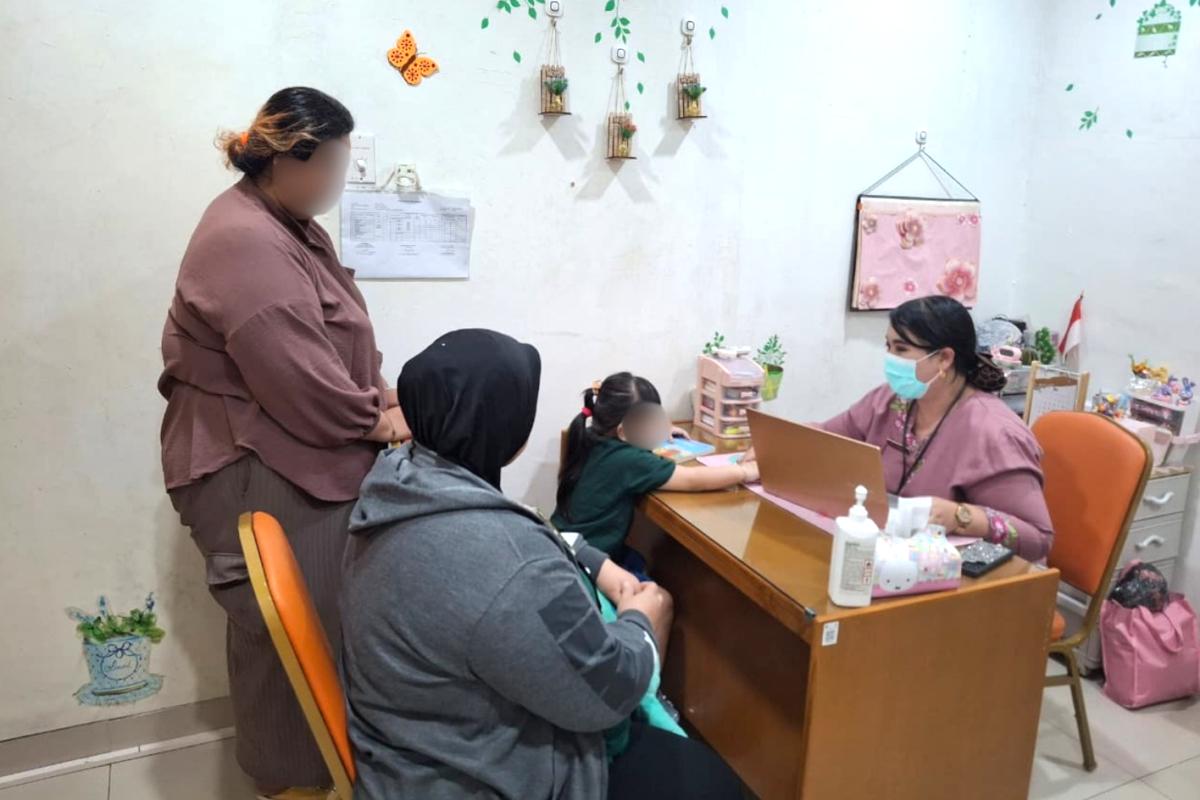
The Duren Sawit Health Center in East Jakarta has introduced an innovation called GKM Mentari, which integrates monitoring, education, and screening for child growth and development to strengthen the early detection and treatment of speech and language disorders in children.
Children's high exposure to gadgets from an early age, especially before the age of two
Duren Sawit Health Center Head, Endang Sri Wahyuningsih, said the innovation was developed as an integrated approach to address speech and language disorders while increasing family involvement in stimulating and monitoring children's development.
Pademangan Community Health Center Improves the Health of Pregnant Women"Speech and language disorders are among the developmental issues in children that need attention from an early age," she asserted on Friday (8/14).
Endang explained that speech and language disorders can affect children's communication skills, social interaction, and later development.
"One risk factor we need to be aware of is children's high exposure to gadgets from an early age, especially before the age of two," she stressed.
According to her, a survey of 517 toddlers found that 83 percent had been exposed to gadgets before the age of two.
Meanwhile, Stimulation, Early Detection, and Early Intervention of Child Development (SDIDTK) screenings of 75 children in Pondok Bambu Urban Village found that 16 had speech and language disorders requiring intervention.
"This shows the importance of an approach that focuses not only on screening, but also on stimulation, education, family support, and continuous monitoring," she added.
Endang explained that GKM Mentari integrates six service-support components designed to provide comprehensive support for children and their families.
"The approach encourages families to play an active role in stimulating and monitoring their children's development, rather than simply receiving information," she noted.
She said the implementation of GKM Mentari had shown positive results. An evaluation found that the number of children with questionable SDIDTK screening results fell from 16 to three after they received structured stimulation.
"Changes were also seen in parents' behavior. Compliance with age-appropriate gadget use increased from two to 14 people," she added.
In addition, Endang said the number of parents accompanying their children while using digital media increased from five to 16, while active play and interaction with family members increased from nine to 16.
The innovation has also created opportunities for cross-professional and cross-sector collaboration to support children's growth and development. Health workers, families, educational institutions, and relevant partners can contribute based on their respective expertise.
"This collaboration is important to ensure early detection does not stop at screening, but is followed by intervention, education, monitoring, and ongoing evaluation," she said.