Jakarta Probes Source of Illegal Dumping at Nagrak
Reported by Aldi Geri Lumban Tobing | Translated by Nugroho Adibrata
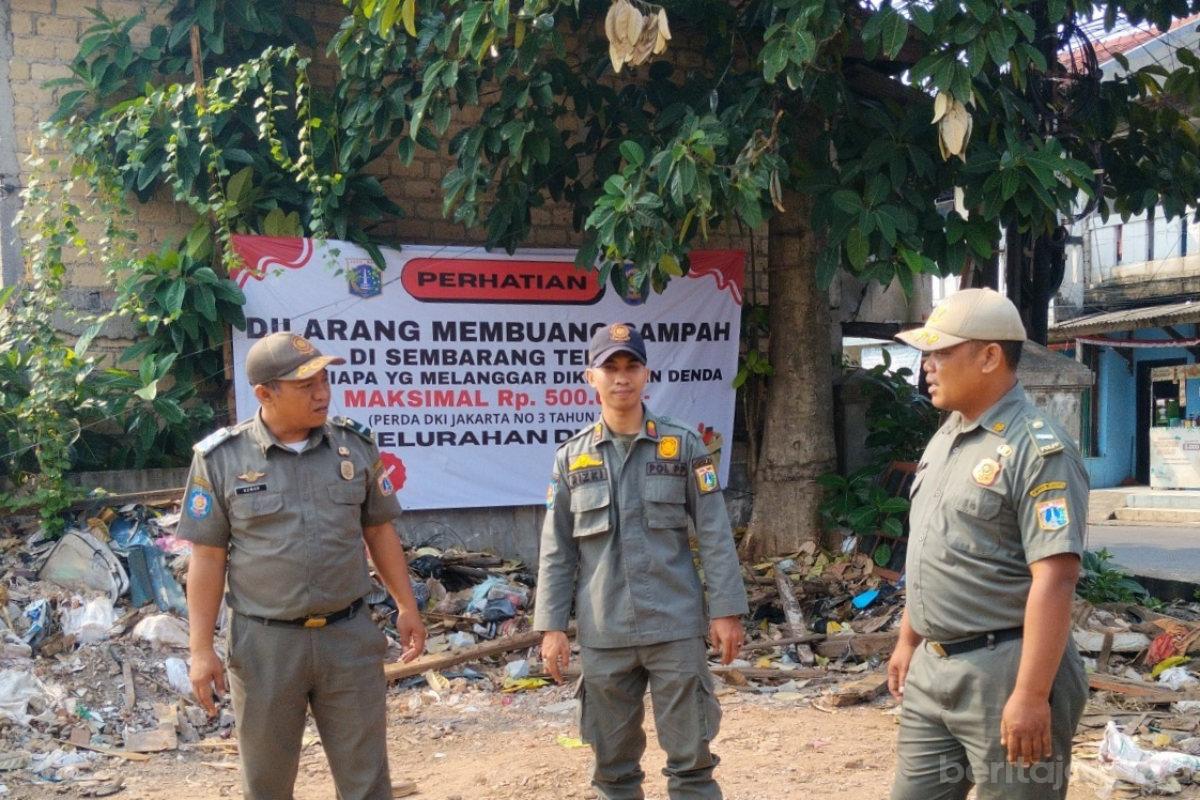
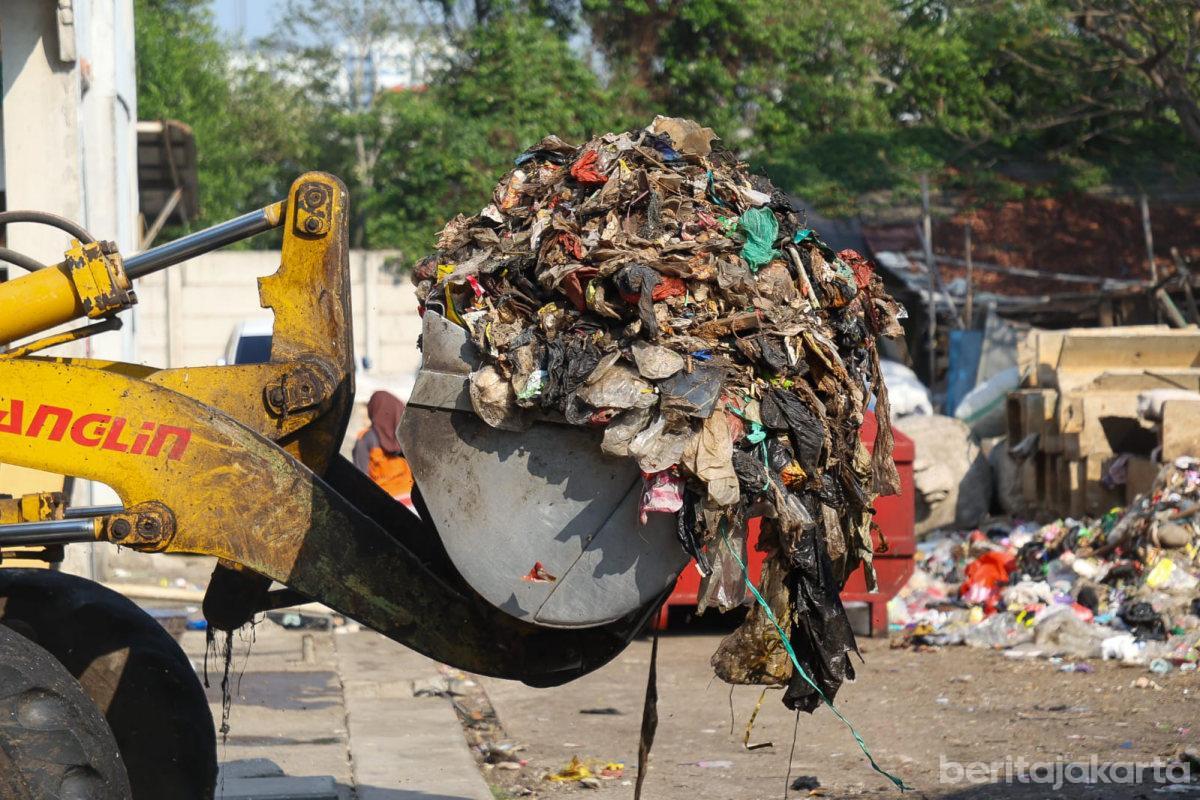
Four waste transport service providers have faced strict penalties from the Jakarta Environmental Agency for permit violations, specifically for their involvement in illegal dumping at the Nagrak site in North Jakarta.
Illegal waste disposal practices won't be tolerated
The investigation is being expanded as authorities trace the entire illicit disposal chain, ranging from the transport vehicles and service providers to the original sources of the waste and the clients who utilized these services.
The crackdown aligns with Governor Pramono Anung’s firm instructions to end the impunity surrounding illegal dumping. He has insisted that no violation go unchecked and that every individual or entity involved be held fully accountable under existing regulations.
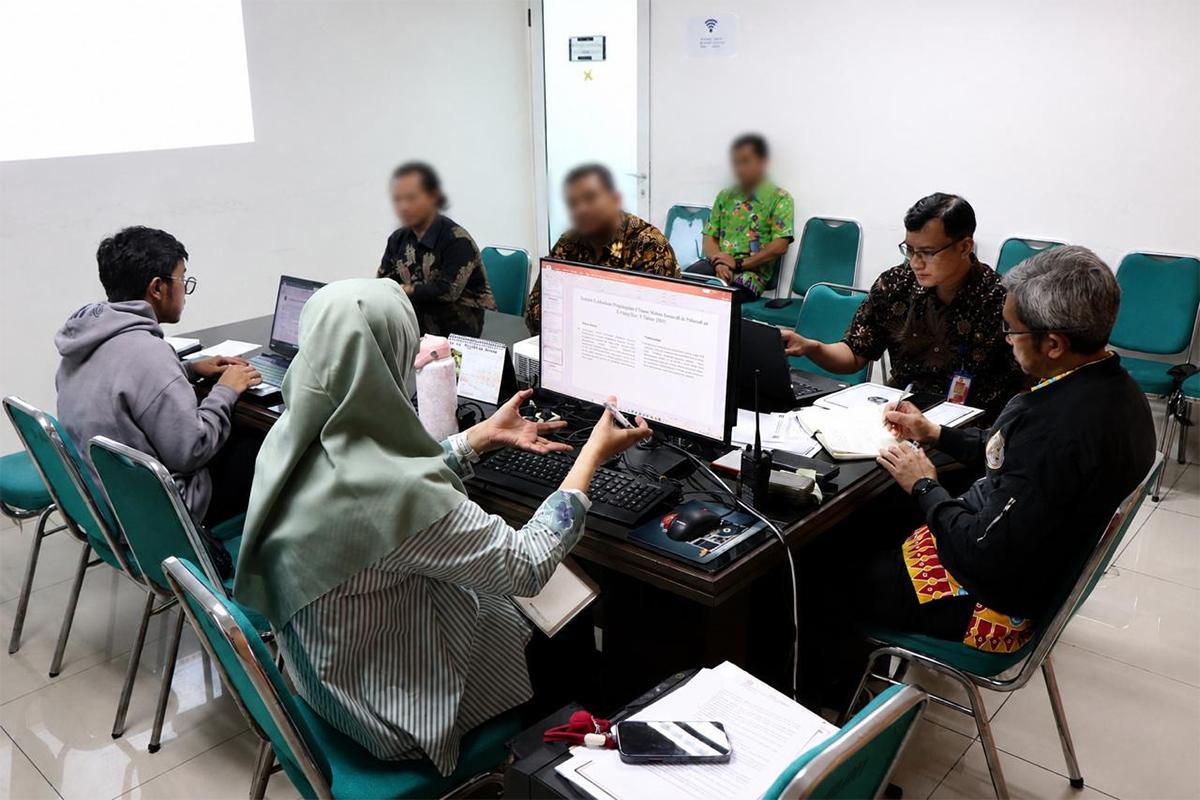
Waste Service Provider Sanctioned Over Proven Illegal DumpingJakarta Environmental Agency Head Dudi Gardesi revealed that his agency interrogated representatives from four waste transport firms this past Thursday: PT Mapanji Kamila Graha, PT Samhana Indah, PT Arie Karya Utama, and PT Pradana Sukses Prima.
“Illegal waste disposal practices won't be tolerated. While we have already interrogated and sanctioned these four companies, the investigation does not end here. We'll continue to trace every lead—from other involved vehicles and hauling firms to the original sources of the waste and the clients who commissioned their services," he expressed, Friday (8/14)
He explained that the enforcement aims to ensure all business entities take full responsibility for the waste they generate, preventing them from delegating management to third parties who subsequently dump waste at unauthorized locations.
“We will trace every single link—from the waste’s origin and the transporters to the vehicle owners and the clients who commissioned them. If their operations breach permit conditions and waste is found at illegal sites, we will take action. There is simply no room for such practices in Jakarta,” he clarified.
Gardesi asserted that a waste transport license is not just a piece of paper; it is a binding commitment to accountability. Every company in the sector is now under pressure to prove that their waste handling is both transparent and systematic.
Transporters must now provide rigorous data on where they pick up waste, how much they carry, and exactly where it is dumped.
“The flow must be crystal clear and fully accountable. Service users must also ensure their waste is handled correctly and delivered to official facilities. We want an orderly waste management chain, from source to final disposal,” he asserted.
Supervision and Legal Compliance Head, Helmy Zulhidayat clarified that while the four companies held valid Waste Transport Service Licenses, they were caught in significant breach of their terms. Under these permits, waste collected from their clients was strictly mandated for delivery to the Bantargebang Landfill.
The probe uncovered a pattern of non-compliance: using trucks not listed in their permits and, in some cases, managing waste without any specialized management license at all.
"As a direct consequence, we have slapped these firms with a Rp 10 million administrative fine and a formal reprimand. This serves as a stern warning; the companies must now provide a written guarantee of future compliance," he continued.
The legal crackdown is backed by the full force of Jakarta’s regulatory framework, specifically Bylaw No. 4/2019 and Gubernatorial Regulation No. 102/2021. These regulations empower the city to impose coercive fines and formal reprimands on companies that fail their environmental duties.
To close the loop on illegal dumping, Helmy asserted that the city is shifting toward a data-driven oversight model. Companies must now "open their books" to allow for end-to-end traceability of the waste they handle.
"We're scrutinizing every link in the chain. From the moment the waste is picked up to where it is dropped off, every step must be documented. If the paperwork doesn’t match the reality on the ground, or if we find waste diverted to illegal sites, the consequences will be firm. We are bringing order to the city's waste management," he added.
Helmy emphasized that the hunt for violators at the Nagrak illegal dump site remains in full swing. Authorities are now zeroing in on other vehicles spotted at the site, aiming to unmask the entire chain of command—from the hauling companies to the waste generators.
"We are following every lead. This is a thorough investigation into the transporters, the customers, the waste sources, and the volumes involved. There will be no exceptions—if the law was broken, we will enforce the penalties," he stated.
The Environmental Agency has put waste hauling firms on notice: repeat violations will lead to harsher penalties, including the permanent revocation of permits. This move is part of a broader strategy to strengthen citywide waste supervision.
“Traceability is key. Every link in the chain—source, volume, transporter, and destination—must be documented. This is how we will shut down illegal dumping networks and protect locations like Nagrak from further environmental abuse," he noted.