JFCF 2026, AI Adoption Essential for Better Public Services
Reported by Fakhrizal Fakhri | Translated by Maria Inggita
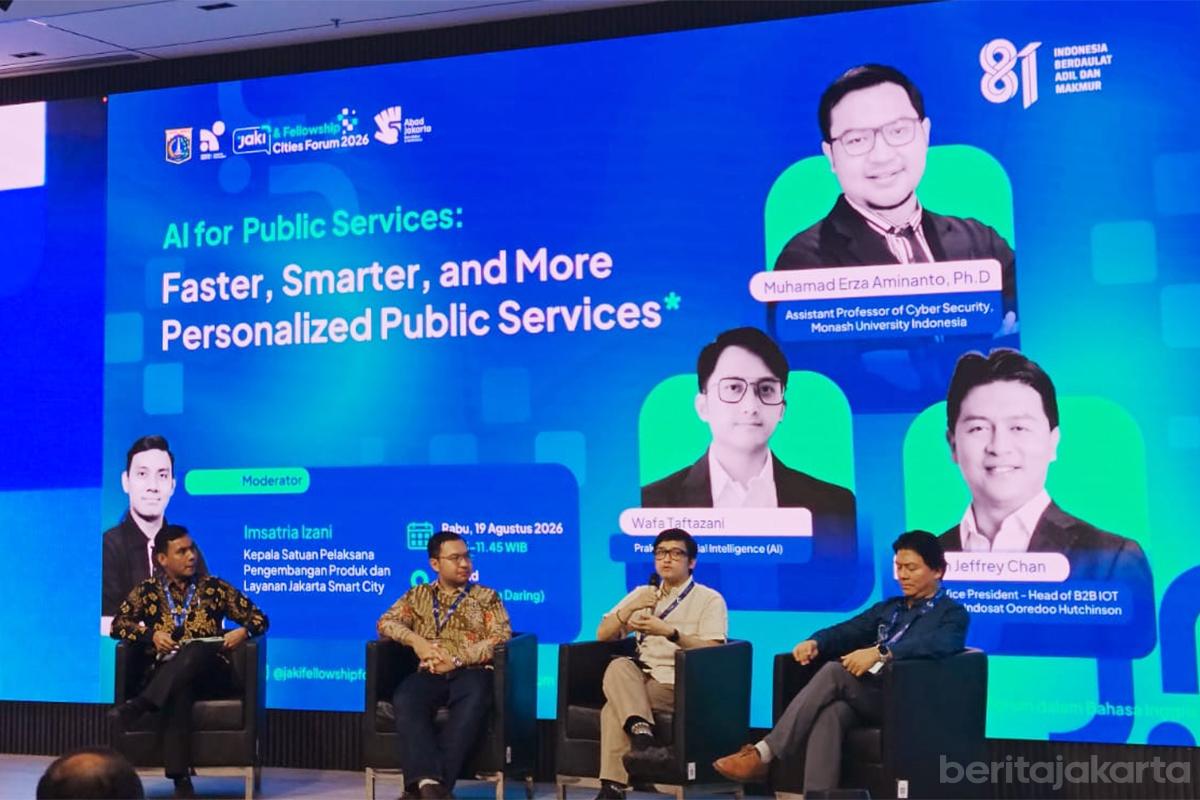
Artificial intelligence (AI) practitioner Wafa Taftazani said local governments must adopt AI to improve public services. He made the statement at the JAKI & Fellowship Cities Forum (JFCF) 2026, organized by the Jakarta Communication, Informatics and Statistics Agency (Diskominfotik) under the theme "From Collaboration to Transformation".
AI can make public services faster, more personalized, and more predictive
According to Wafa, AI can make public services faster, more personalized, and more predictive. With AI, governments can anticipate residents' needs and provide services before they are requested.
JAKI & Fellowship Cities Forum 2026 Strengthen Digital Public Services"Going forward, residents should not have to wait or proactively request or apply for a service. Instead, the government should be able to predict when a resident will need a particular service and deliver it even before it is requested," Wafa emphasized.
He encouraged governments to develop various AI pilot projects in sectors such as parking management and enforcement, traffic management, and route diversions to ease congestion.
Wafa added that the results of these pilot projects should be made public so residents can provide feedback. The feedback can then be used to improve the systems before they are implemented on a wider scale.
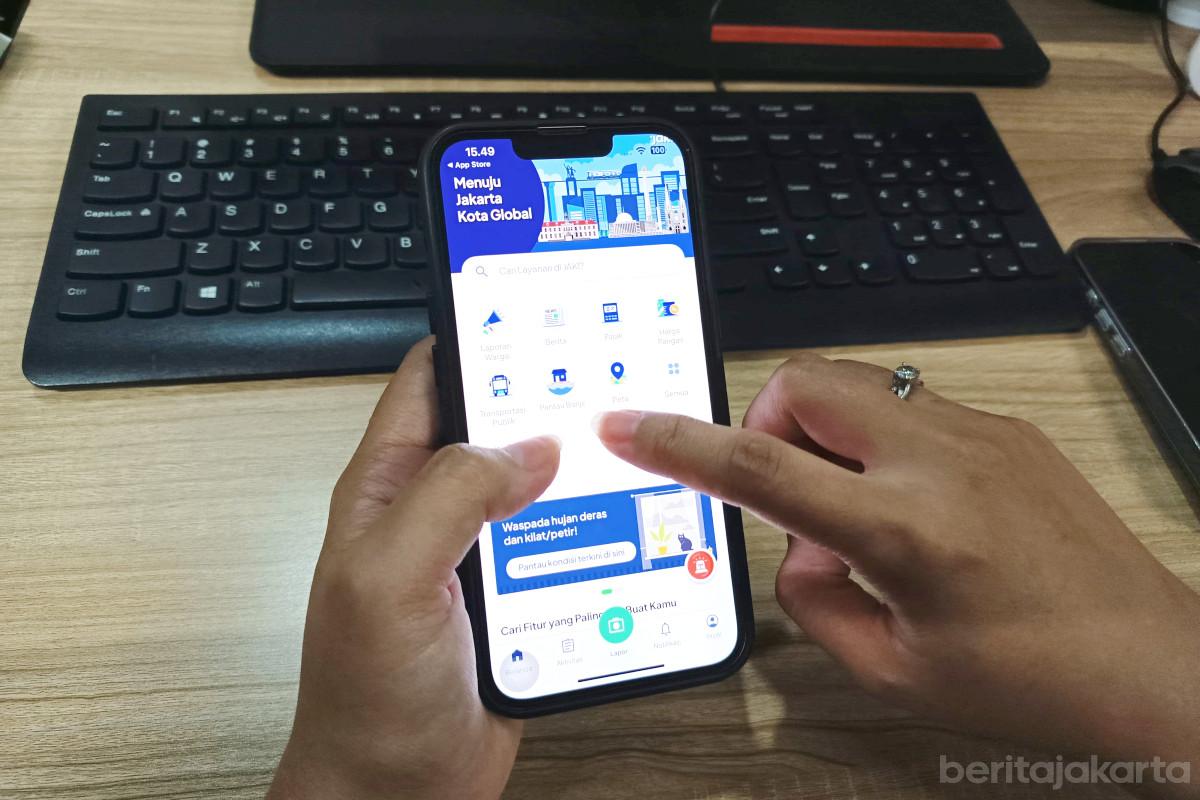
Wafa also acknowledged that some residents are still unfamiliar with digital services. Therefore, JAKI needs to offer a faster and more convenient alternative to manual services.
"If that happens, word of mouth will spread. I wouldn't want to have to go to an office if, for example, I lost my ID card. I'd definitely want to use JAKI instead," he said.
Wafa also noted that other local governments could adopt the JAKI model through a Software as a Service (SaaS) approach. This would allow them to customize the platform's interface and services to meet their needs while using JAKI's existing technology modules and backbone.
Jakarta's experience in managing data and public feedback could also provide valuable lessons for other regions. AI can be used to analyze public data and interactions to identify residents' complaints, needs, and satisfaction levels with public services.
He stressed that governments must not fall behind in adopting AI, as the private sector has already been using the technology across various services.
"It's not just something I am optimistic about. In my view, it's a must. AI adoption is not a choice. It is a necessity," Wafa said.
Meanwhile, Indosat Ooredoo Hutchison Senior Vice President and Head of B2B IoT & Big Data Melvin Jeffrey Chan said developing smart cities requires stronger cross-sector collaboration.
According to Melvin, building a smart city is a major undertaking that requires collaboration among governments, academia, startups, the private sector, technology providers, and the public.
"So, I hope there will be more collaboration between us, governments, and everyone involved," he said.
Melvin said his company is committed to complying with Indonesia's applicable personal data protection regulations in its use of AI.
He added that data-driven technology must be developed and used within a privacy protection framework. At the same time, national safety and security must also be taken into consideration when implementing the technology.
"We fully respect data privacy protection laws. Everything we do is in accordance with that framework," he emphasized.