CiLung Fest 2026 Sparks Public Awareness to Protect Jakarta’s Waters
Reported by Fakhrizal Fakhri | Translated by Nugroho Adibrata
The Jakarta Environmental Agency is set to host the Eco-Friendly Boat Festival 2026 (CiLung Fest) at South Sunter Lake, North Jakarta, this coming Sunday (10/18).
The agency needs to measure real outcomes
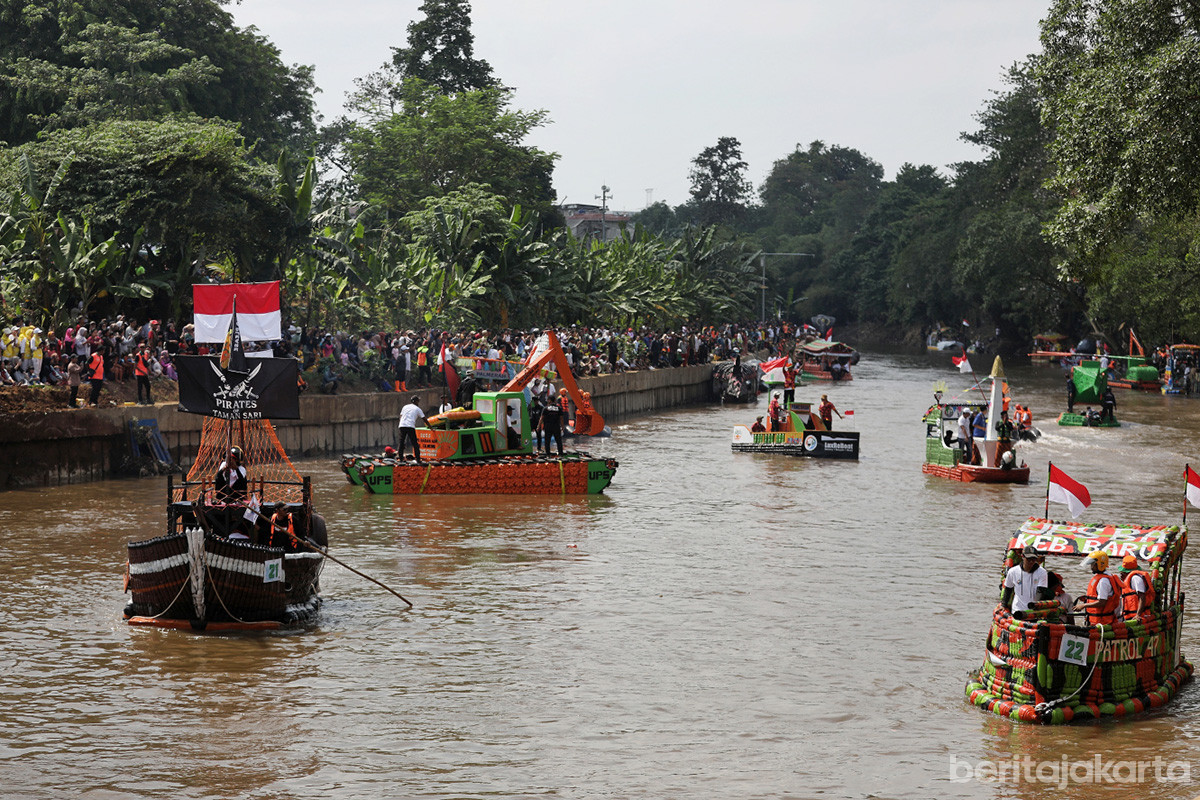
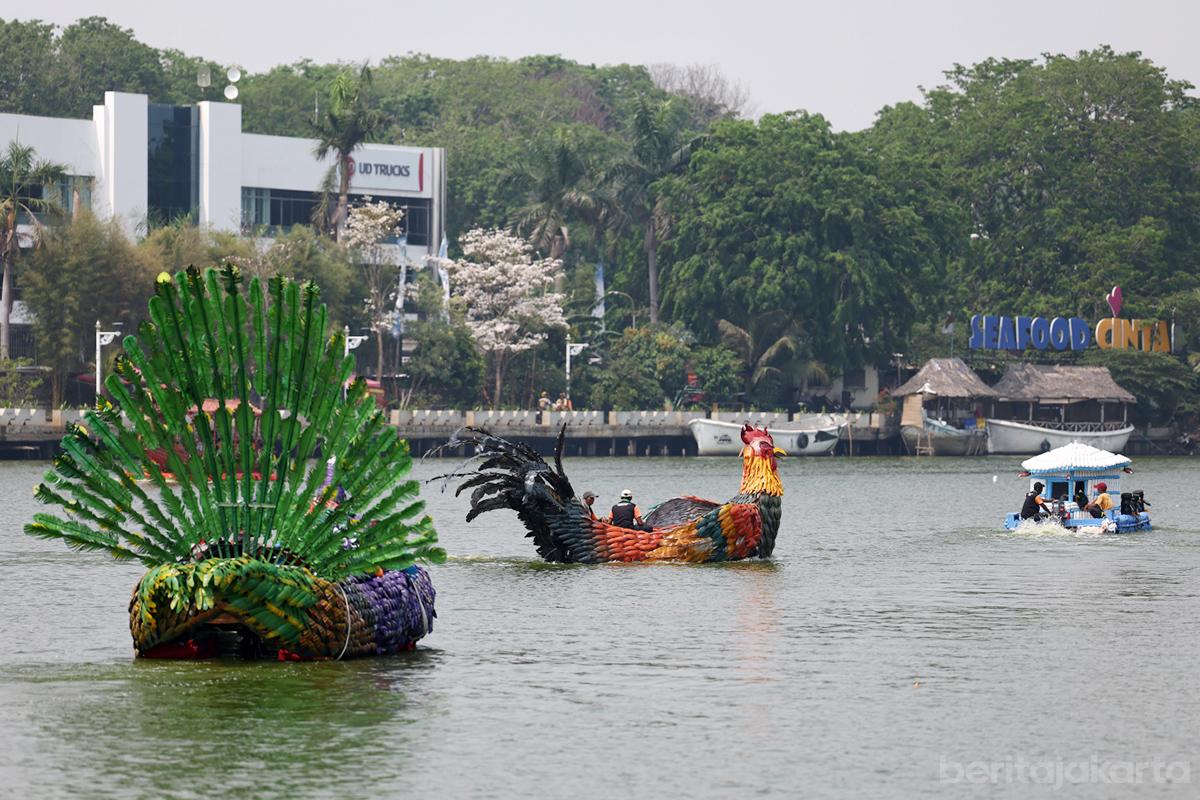
The festival will feature a vibrant parade of 43 boats crafted from recycled plastic bottles, ingeniously built by the city's municipal sanitation workers, known as the "Orange Troops." The event commemorates World Rivers Day while gearing up for Jakarta's 500th anniversary.
Jakarta Legislative Council Commission D Member Bun Joi Phiau praised the staging of CiLung Fest 2026, noting that upcycling discarded plastic bottles into boats proves waste can be transformed into creations of real functional value.
Ciliwung River Normalization Accelerated, Pramono Ensures Land Acquisition Without IntermediariesHe added that engaging the public through free boat rides, photo exhibitions, and releasing fish fingerlings offers an engaging educational experience, instilling greater awareness about environmental conservation.
“The timing is spot-on—coinciding with World Rivers Day and the countdown to Jakarta’s 500th anniversary,” he expressed, Friday (10/16).
Still, he warned that festivals alone will not fix the problem unless they inspire real habit shifts and practical environmental action beyond the photo-ops.
He pushed the Environment Agency to track the festival’s actual footprint on neighborhood recycling and plastic waste reduction.
“The agency needs to measure real outcomes—like how much it actually moves the needle on RT/RW waste sorting and single-use plastic cuts—to make this truly sustainable,” he noted.
Beyond stepping up public education, Bun called on the Environmental Agency to take concrete action to curb pollution across rivers, lakes, and reservoirs through far stricter oversight.
“That includes penalizing violators. Environmental infractions must be met with firm, uncompromising sanctions,” he asserted.
Bun also pushed for an upgraded water quality monitoring system that operates regularly and transparently, allowing the public to track the health of local waterways and keep pollution control efforts accountable.
At the same time, he stressed that upstream waste management must be bolstered through source-level sorting, the expansion of community waste banks, and targeted cleanup along riverbanks and reservoir peripheries.
Routine maintenance, dredging, and watershed protection require steady funding and clear benchmarks to work effectively, he noted.
“We (the legislative) will hold the government accountable so that Jakarta’s 500-year clean water goals deliver real results for the public,” he insisted.