Jakarta Urgently Needs More Green Open Spaces
Reported by Fakhrizal Fakhri | Translated by Nugroho Adibrata
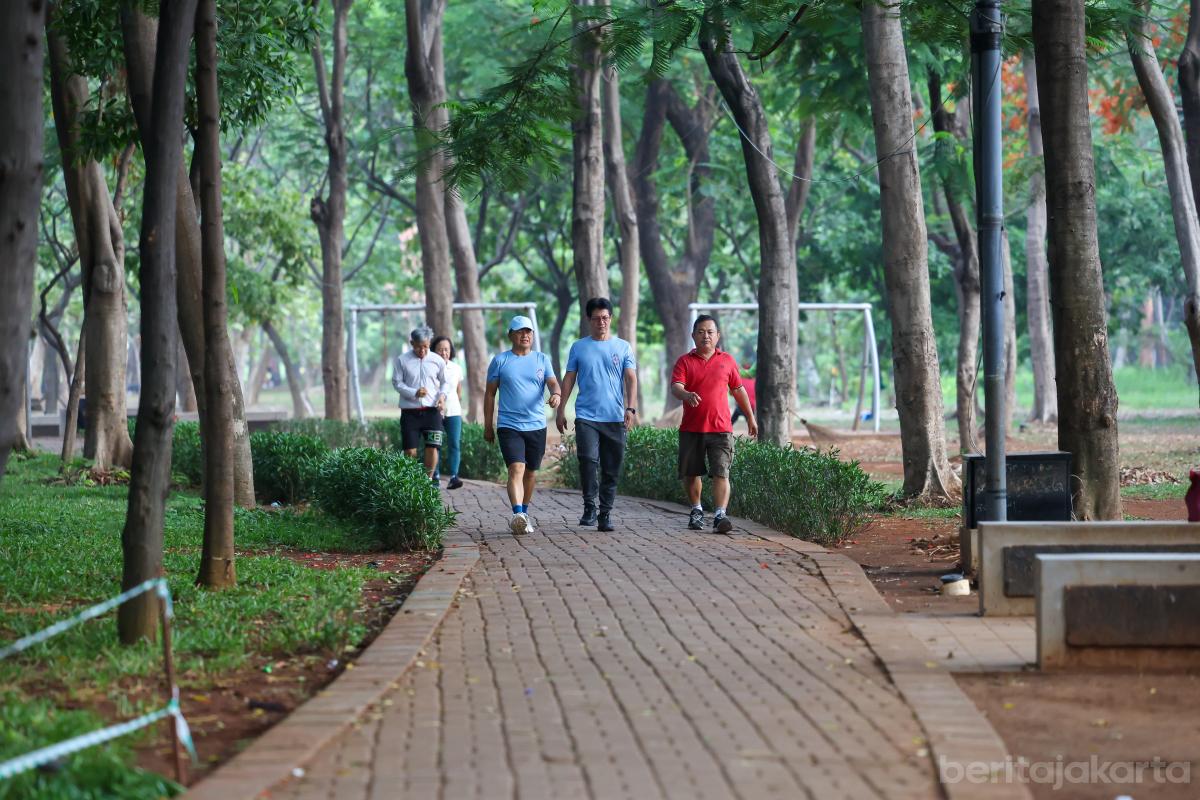
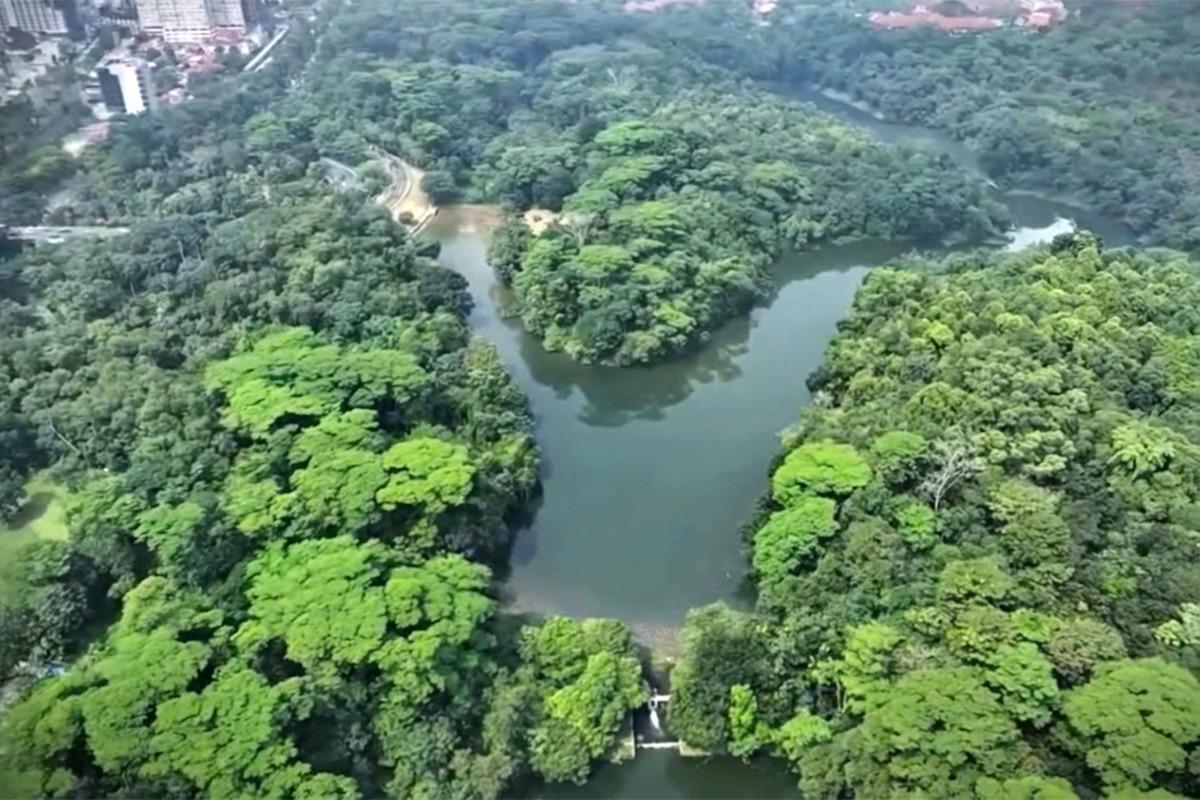
The existence of the Indonesia University (UI) Urban Forest in Srengseng Sawah Urban Village, Jagakarsa Sub-district, South Jakarta, needs to be preserved as a green open space (RTH) area.
The UI Urban Forest must be preserved
Jakarta Legislative Council Commission D Chairwoman Yuke Yurike emphasized that urban forests play a crucial role in keeping Jakarta's environment balanced amid rapid city development—stressing that existing green spaces must be safeguarded against land conversion.
"The UI Urban Forest must be preserved. Jakarta still needs far more green open spaces to protect environmental quality, curb pollution, and act as vital water catchment zones. Existing areas with clear ecological value cannot afford to shrink," Yuke expressed, Wednesday (11/18).
Residents Hope Cinta Island Green Open Space to Boost Tourist VisitsEven so, she acknowledged that building Sekolah Rakyat School reflects the Central Government's push to expand educational access—while stressing that new school facilities should not come at the expense of ecologically vital land.
She urged authorities to identify alternative sites that align with spatial zoning regulations, ensuring Sekolah Rakyat School can still move forward without shrinking Jakarta's green open spaces (RTH).
Previously, the Jakarta government had proposed two sites in East Jakarta and West Jakarta for Sekolah Rakyat School. Meanwhile, Indonesia University clarified that the proposed eight-hectare plot sits on the Jakarta side of its campus next to the green zone—not inside the UI Urban Forest itself.
While the university backs the Sekolah Rakyat School project using state land under its management, it reaffirmed that the UI Urban Forest's protected green status remains untouched.
Yuke stressed that Jakarta's spatial planning must strike a careful balance between development demands and environmental protection, noting that green open spaces deliver vital, long-term benefits for residents' quality of life.
"Every development plan in ecologically sensitive areas must begin with a thorough study, including verifying that land use aligns with existing spatial zoning regulations," she concluded.