Tackling Waterway Pollution, Jakarta Environmental Agency Finalizes Foam-Control SOP
Reported by Dessy Suciati | Translated by Nugroho Adibrata
The Jakarta Environmental Agency is finalizing a new Standard Operating Procedure (SOP) to tackle foam buildup in local waterways. The protocol has already been piloted at sluice gates and pump houses alongside relevant agencies to streamline on-the-ground response efforts.
Proper wastewater management is essential to keep this issue
Jakarta Environmental Agency Head Dudi Gardesi emphasized that tackling foam in waterways must go hand in hand with stopping pollution at its source. On-site cleanup efforts, he noted, need to be paired with encouraging businesses and residents to treat wastewater before releasing it into the environment.
He pointed out that commercial operators—such as laundries and car washes—bear a responsibility to ensure their wastewater does not contaminate local waterways.
Jakarta Expands High-Tech Trash Screening to Rescue its Waterways"Proper wastewater management is essential to keep this issue from happening again and again," he expressed, Wednesday (11/25).
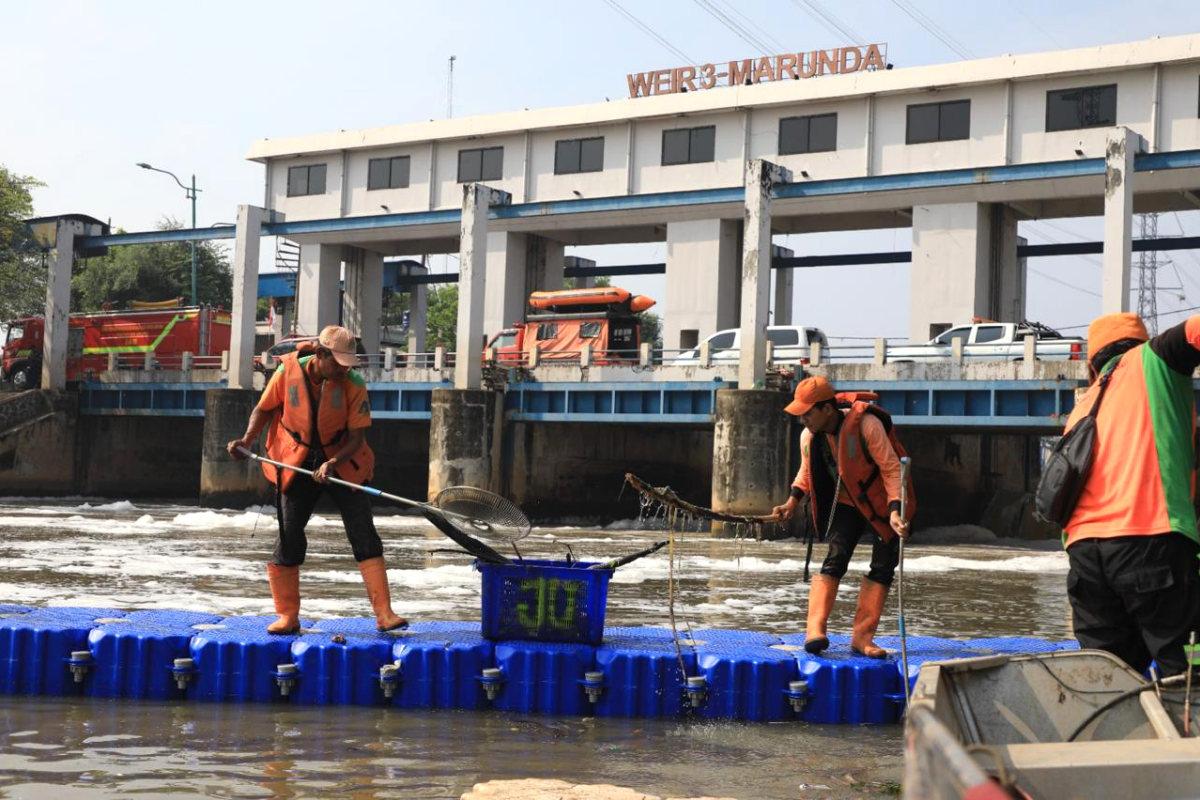
Jakarta's Pollution and Environmental Damage Control Division Head Erni Pelita Fitratunnisa explained that rapid response measures include deploying floating cubes to contain foam spread, high-pressure water spraying, and using vacuum equipment for heavier accumulations.
"To tackle foam, we're finalizing a dedicated foam-handling SOP that has already been piloted at sluice gates and pump houses alongside related agencies," she explained.
The trial brought together the Fire and Rescue Agency (Gulkarmat) and the Water Resources Agency, incorporating field-tested response protocols directly into the SOP.
Alongside on-site mitigation, her office is working with city, sub-district, and urban village authorities to collect water samples for laboratory analysis.
Erni went on to say that pollution control must also address activities prone to generating surfactant waste, including commercial laundries and car washes.
Meanwhile, Sandia Primeia, an Associate Expert Researcher at the National Research and Innovation Agency (BRIN), explained that surfactants are active detergent agents designed to lift dirt.
"When water is churned by agitation or strong currents, these compounds help form persistent foam bubbles that don't break down easily," she asserted.
She added that detergent residue entering waterways can harm aquatic life—making it essential to pair on-site foam cleanup with proper wastewater treatment before discharge.
To support prevention efforts, the Environmental Agency is also educating local laundry MSMEs on wastewater management, covering proper detergent usage and business owners' responsibility to treat wash water before release.