
Ban on Open Dumping, All Parties Urged to Respond Quickly
Reported by Fakhrizal Fakhri | Translated by Rizky Mawardi
Chairwoman of Jakarta City Council's Commission D, Yuke Yurike urged all parties to take swift and deliberate action to address the restrictions on waste disposal at the Bantargebang TPST, which will take effect on August 1, 2026.
We are ready to support and collaborate
The call responds to the central government's policy to end open dumping in Indonesia by 2026, with an accelerated completion date of August of that year. Open dumping is a method of openly disposing of waste without processing or sorting.
Waste Sorting Needs Cross-sector Collaboration SupportYuke emphasized that her party is ready to fully support the improvement efforts carried out by the Jakarta Provincial Government, especially by the Environmental Agency.
"We are ready to support and collaborate. If you have any input on how to improve or minimize issues at the agency, we are open to collaboration," she said, Wednesday (4/29).
According to her, this situation demands that the Jakarta Provincial Government immediately prepare a thorough plan, covering the short, medium, and long term.
"Time is very short. Meanwhile, the steps to be taken, including the budget, are still being finalized by the relevant agencies," she added.
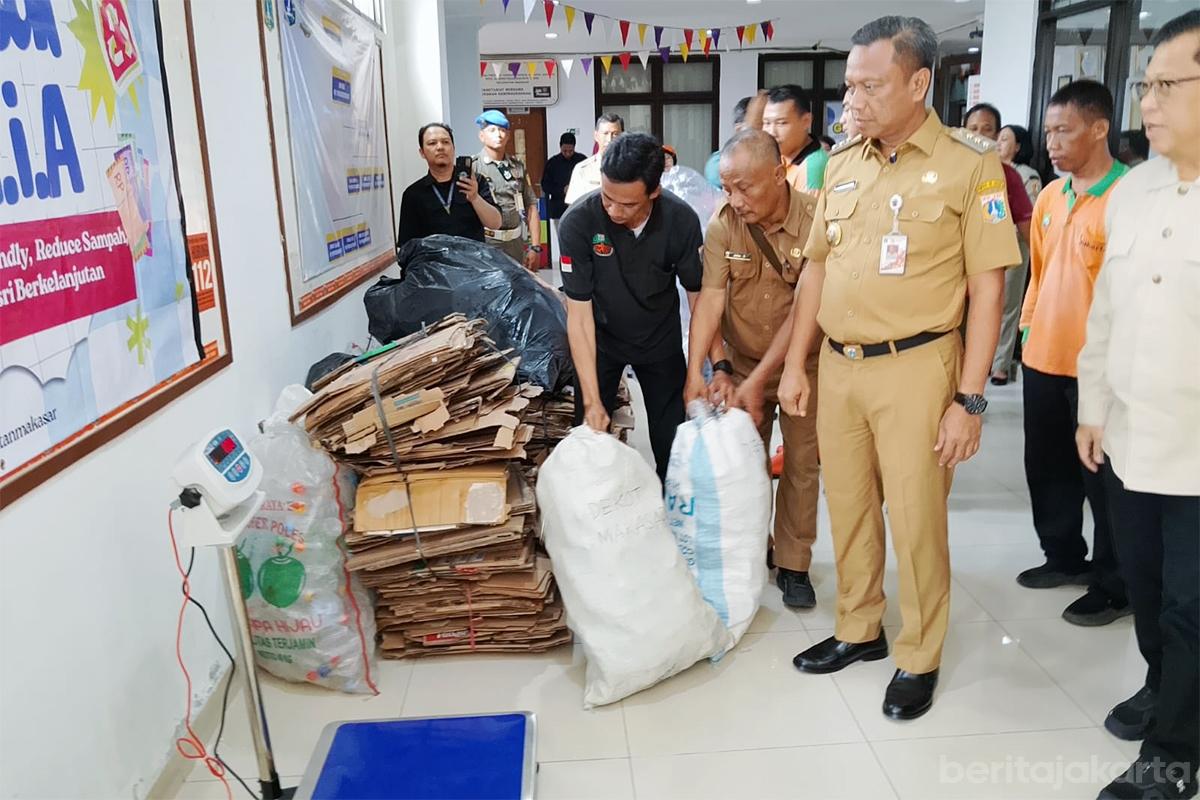
Yuke continued that current priority steps include strengthening the transportation system and handling emergency conditions in the field.
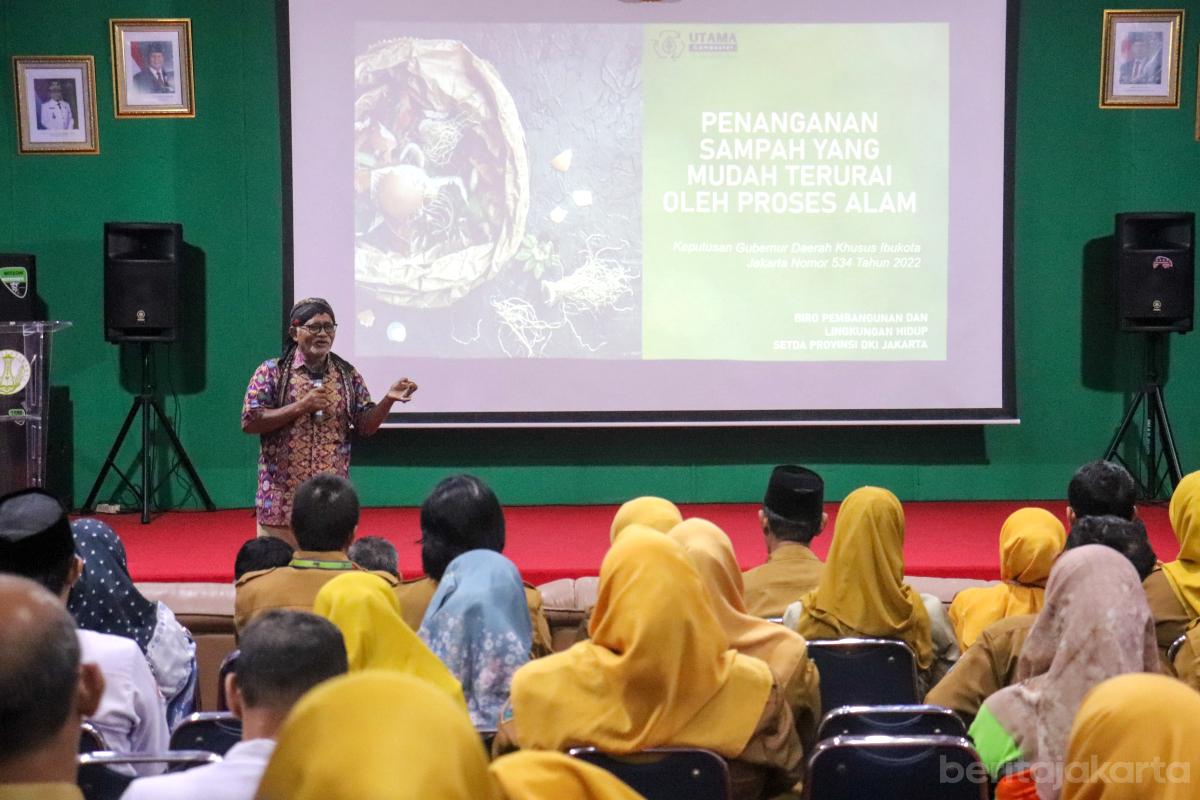
Yuke also encouraged for accelerated implementation of waste sorting at the community level. She assessed public involvement is key to reducing the volume of waste sent to landfills.
"The waste problem can not be solved without mutual cooperation. Education and socialization must be intensified, and we are ready to assist through our constituent network," she continued.
Yuke said that the Environmental Agency has prepared several strategies to reduce Jakarta's waste production, which reaches around 8,000 tons per day. One of these strategies is through organic waste sorting, which is targeted to reduce it by up to 40 percent.
Optimizing waste processing through Refuse Derived Fuel (RDF) technology is also a concern. Yuke stated that current processing capacity is still far from ideal.
Waste management in Jakarta is currently in an emergency situation, so all parties need to act quickly and work together to find a solution.
"The target is 2,500 tons per day, but currently it's only around 700 to 750 tons. This needs to be optimized immediately. We will also request a clear roadmap for when that capacity can be reached," she emphasized.