Jakarta Health Agency Warns of Extreme El Niño’s Impact on Health
Reported by Aldi Geri Lumban Tobing | Translated by Nugroho Adibrata
The Jakarta Health Agency (Dinkes) warns that the extreme El Niño phenomenon can have a serious impact on public health, particularly for vulnerable populations such as children and the elderly.
Driving a spike in ISPA cases
Jakarta Dinkes Head, Ani Ruspistawati said, extreme El Niño triggers significant temperature rises, droughts, and poor air quality, all occurring at once and worsening the public health impact.
She explained that high temperatures raise the risk of heatstroke and dehydration while aggravating chronic heart and lung diseases.
Jakarta BPBD Readies Mitigation for El Niño and Air Pollution"Simultaneously, deteriorating air quality and higher levels of fine particulate matter are driving a spike in ISPA cases," she stated, Thursday (4/30).
She explained that El Niño will pose a risk to public health, particularly for vulnerable populations such as children and the elderly.
Several potential health risks include:
• Dehydration: Direct exposure to high temperatures can cause a loss of body fluids, especially in children, the elderly, and individuals with certain underlying health conditions.
• Respiratory Issues: Prolonged drought can lead to increased air pollution, which exacerbates respiratory conditions such as asthma and other respiratory diseases.
• Skin Conditions: High temperatures combined with low humidity can cause the skin to become dry and more susceptible to irritation.
To mitigate these negative effects, Jakarta residents are advised to take the following steps:
• Stay Hydrated: Drink plenty of water and ensure adequate fluid intake to prevent dehydration.
• Wear Masks: Use a mask during outdoor activities to reduce exposure to air pollution.
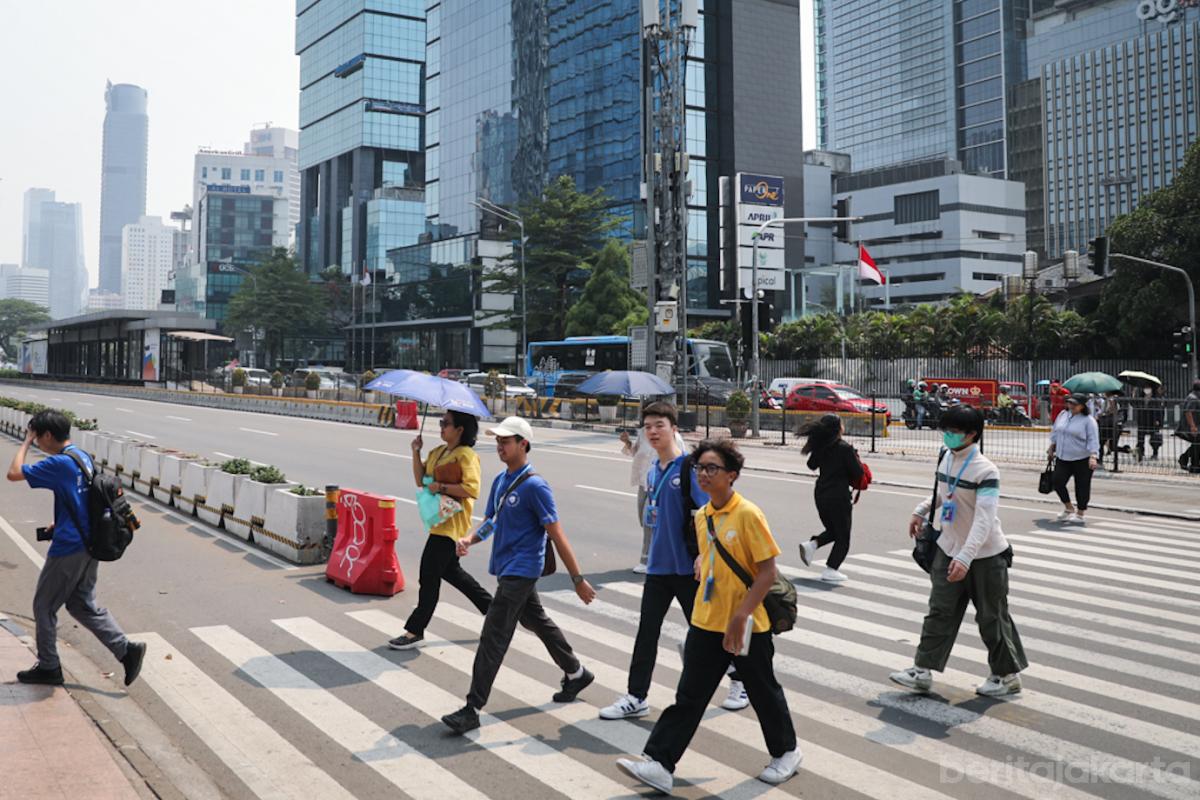
• Avoid outdoor activities: Refrain from outdoor activities when temperatures are extremely high, particularly between 11 AM and 3 PM.
• Use personal protection: Wear protective items such as hats or use umbrellas when outdoors.
• Apply sunscreen: Use a high-SPF sunscreen to protect the skin from harmful UV rays.
• Stay informed about the weather: Monitor weather updates and early warnings from the BMKG (Meteorology, Climatology, and Geophysical Agency) to stay informed about current conditions.