25,000 Households in North Jakarta Already Apply Sort Waste
Reported by Anita Karyati | Translated by Rizky Mawardi
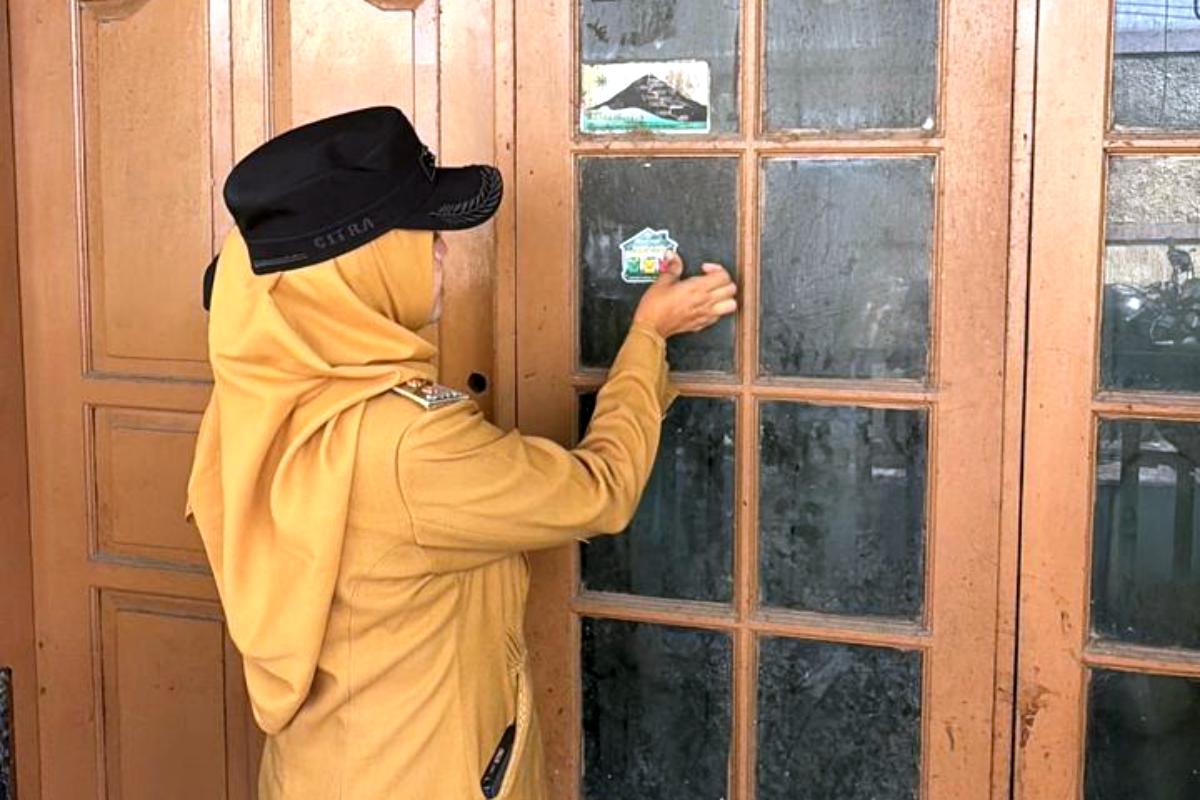
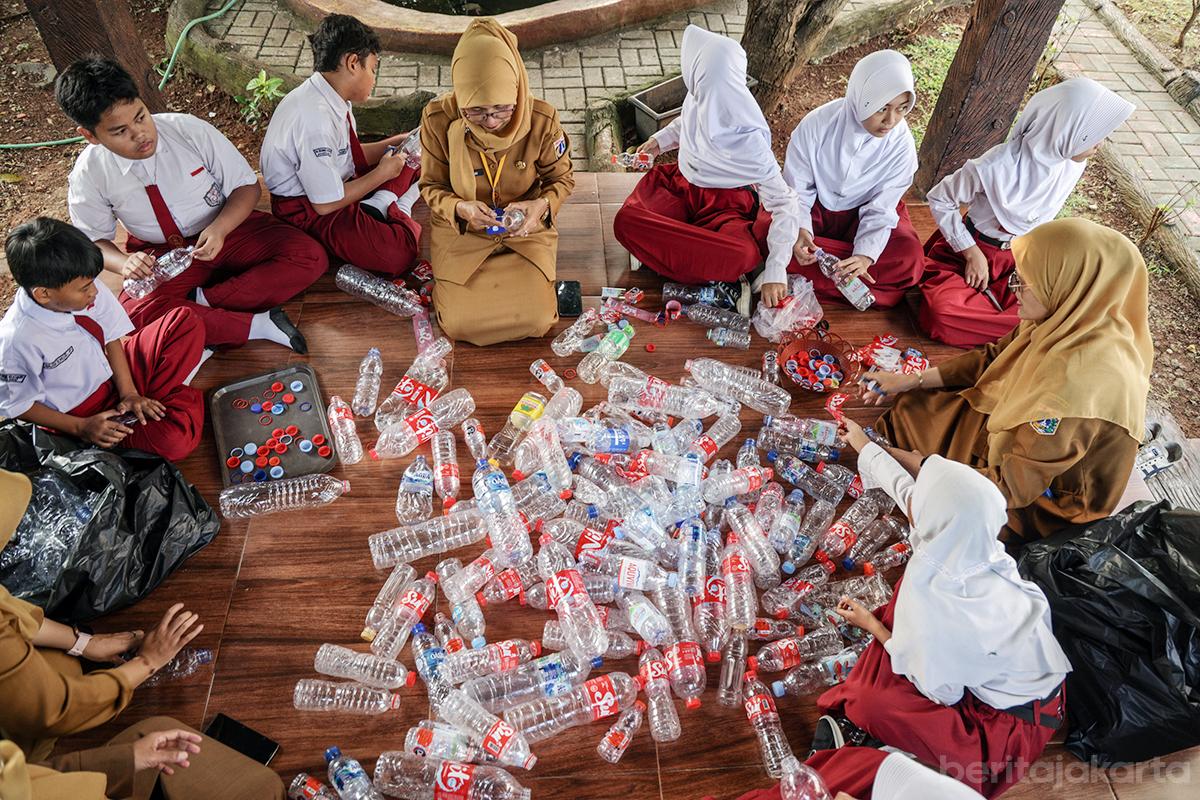
The waste sorting movement at source continues to show positive progress in North Jakarta. Up to now, 25,000 households have been recorded as actively sorting their own waste, an effort to reduce the volume of waste sent to the Bantar Gebang Integrated Waste Processing Site (TPST).
achieved a 100 percent
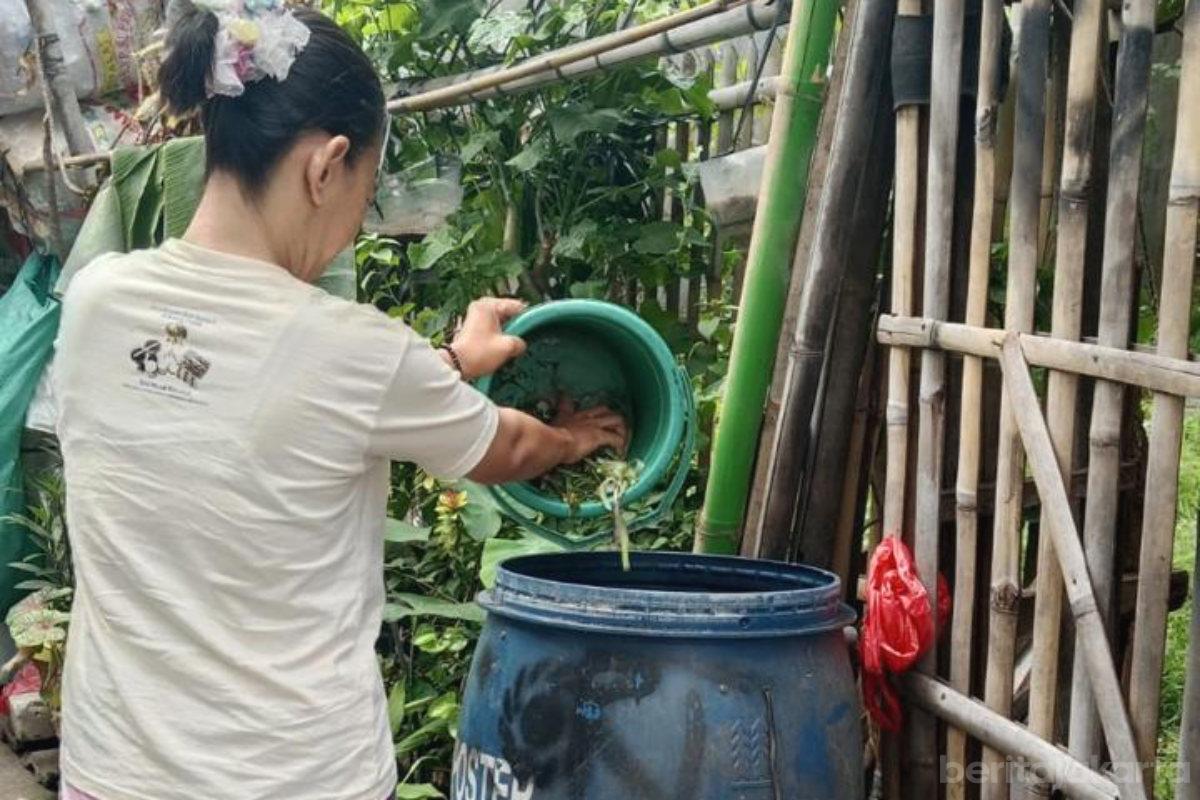
Head of North Jakarta Environmental Sub-agency, Edy Mulyanto said this success is supported by the implementation of a waste sorting program that has been running in 460 neighborhood associations (RW). To support this program, the sub-agency distributed 1,380 drop-point bins specifically for organic waste.
"Each pilot RW is allocated three drop point facilities for organic waste which can be used directly by residents," he said, Wednesday (6/10).
Seribu Islands Steps Up Waste Sorting CampaignEdy explained that the active participation of tens of thousands of households is beginning to show significant results. In addition to organic waste, inorganic waste management is also being optimized through the Waste Bank Units (BSU) available in each RW.
"It can be seen in Rorotan Urban Village, which has achieved a 100 percent level of residents participation in sorting waste from home," he explained.
According to him, these efforts have also resulted in a reduction in the volume of waste produced. On average, each urban village has been able to reduce waste production by six to seven tons per day.
"This achievement places North Jakarta as the region with the best waste reduction performance in Jakarta Province," he admitted.
Moreover, the Jakarta Provincial Government is targeting a 50 percent reduction in residual waste sent to the Bantargebang landfill by August 1.
"Strengthening waste management at the household level, support for waste processing infrastructure is also continuously being improved through the Rorotan Refuse Derived Fuel (RDF) Plant facility," he stated.
With a processing capacity of up to 2,500 tons of waste per day, the facility is projected to be able to absorb all of North Jakarta's daily waste production, which currently amounts to around 1,400 tons per day.
"We are optimistic that the waste reduction target in North Jakarta can be achieved in accordance with the established roadmap," he stated.