JAKIM 2026: A Catalyst for Advancing Jakarta’s Sport Tourism
Reported by Fakhrizal Fakhri | Translated by Nugroho Adibrata
Jakarta City Council Commission B Member, Dwi Rio Sambodo commended the successful execution of the BTN Jakarta International Marathon (JAKIM) 2026, which was conducted in a secure, seamless, and vibrant manner.
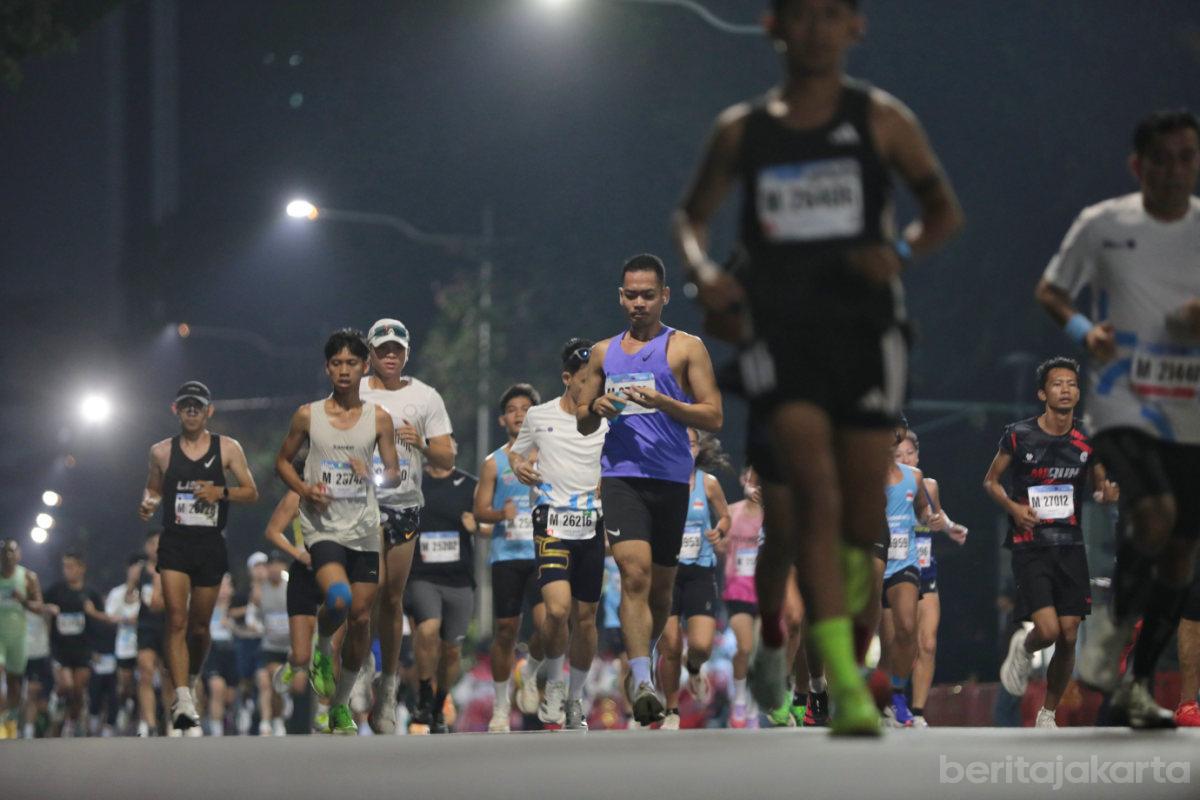
This year's Jakarta International Marathon was executed with safety, precision, and great fanfare
As a participant who took part in the event, Rio experienced firsthand the world-class organizational standards of the marathon. According to him, the triumph of JAKIM 2026 serves as a testament to Jakarta’s burgeoning readiness to host an array of large-scale international agendas.
"Speaking as a participant, I witnessed firsthand how this year's Jakarta International Marathon was executed with safety, precision, and great fanfare. This serves as a testament to Jakarta’s evolving stature as a host for global agendas, proving its ability to provide a hospitable environment for runners and the community alike,” he remarked, Tuesday (6/16).
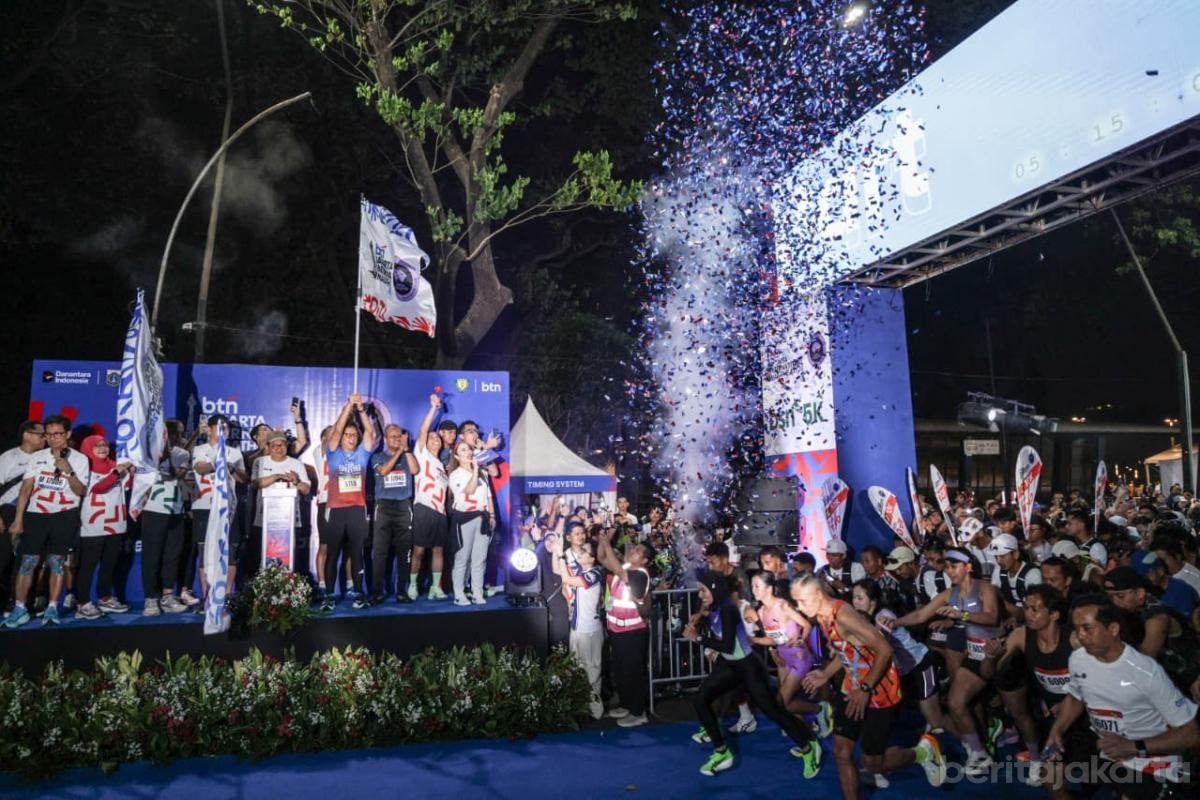
Rano Flags Off 8,200 Runners at BTN JAKIM 2026Nonetheless, he maintained that this success must serve as a catalyst for the continuous elevation of the event’s quality. This is particularly imperative as JAKIM has now attained the 'Elite Gold' label, a prestigious international status that necessitates increasingly stringent service standards.
Moreover, he urged for the strengthening of key ancillary components, including participant amenities, medical readiness, media relations, public communication, inter-institutional synergy, and the mitigation of traffic re-engineering impacts, aimed at bolstering JAKIM’s competitiveness internationally.
Beyond the triumphs in organizational execution, Rio underscored the imperative of ensuring an equitable distribution of the economic dividends generated by the race. He noted that while the surge in hotel occupancy rates represents a commendable milestone, the economic ripple effects of JAKIM must permeate more extensively across the local business community.
Consequently, he called upon the Jakarta Administration to foster greater involvement of MSMEs and creative economy actors through the provision of promotional spaces, bazaar areas, collaborations with tourism hotspots, and the strengthening of the local shopping and culinary landscape.
"Economic turnover from an event as significant as JAKIM shouldn't be concentrated within hotels alone, but must provide a concrete impetus for MSMEs and creative industries,” he stated.
Rio emphasized the necessity of sustainable urban sports infrastructure to underpin the hosting of global sports agendas. He noted, enhancing mass transportation connectivity, maximizing public space utility, and developing specialized sports facilities are crucial to enabling these events to take place regularly while minimizing disruption to societal life.
He envisions JAKIM not merely as an annual fixture, but as an integral component of a grand strategy to advance Jakarta’s sports tourism.
He emphasized the necessity of a measurable and sustainable blueprint, encompassing a curated international event calendar, infrastructure reinforcement, entrepreneurial mentorship, and cross-sectoral synergy to bolster the capital’s sports tourism ecosystem.
“By this means, Jakarta will move beyond merely hosting global events to firmly establishing itself as a preeminent hub for sports tourism within Southeast Asia,” he concluded.