1,000 Jumbo Biopore Holes Slated for Cipayung Sub-district
Reported by Nurito | Translated by Nugroho Adibrata
To promote source-based waste management, 1,000 jumbo biopore holes are slated for development throughout the Cipayung Sub-district, East Jakarta.
This work draws on a collaborative effort
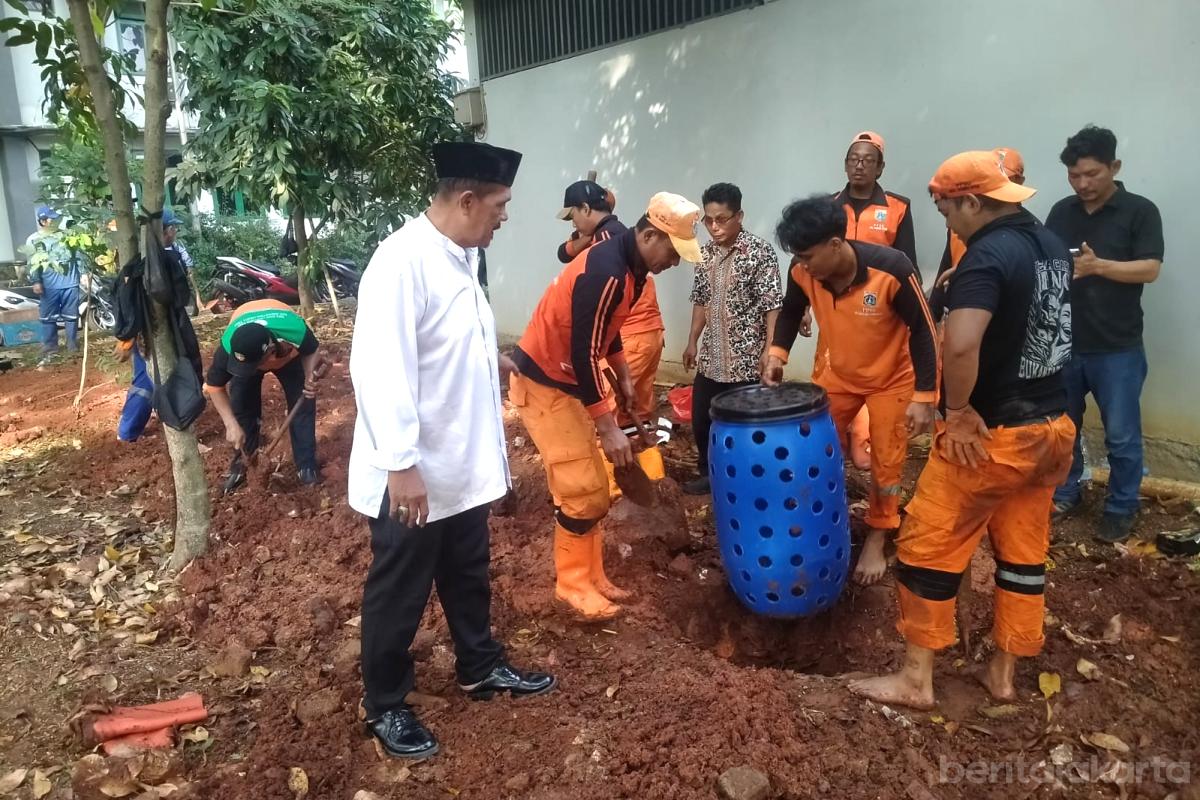
Cipayung Sub-district Head, Diman stated the first stage involves installing 20 jumbo biopore holes at the Al Hamid Islamic Boarding School complex in Cilangkap. Currently, 10 units are finished, while the rest are expected to be finalized over the next week.
"This work draws on a collaborative effort between the Munjul and Cilangkap PPSU workers, along with the Water Resources and Environmental task forces," he expressed, Wednesday (6/17).
Pramono Launches Jumbo Biopores, Aims for Jakarta Waste Management BlueprintComparable projects are slated for execution at Lubang Buaya Calvary Church, Minhajjurrosyidin and Nurul Ibad Islamic boarding schools, PBSI Cipayung Building, as well as several other strategic locations.
He further clarified that to meet the established goal, every sub-district in Cipayung is required to develop a minimum of 100 jumbo biopore holes within their respective jurisdictions.
He explained that the jumbo biopores are designed to collect kitchen organic waste for on-site composting.
"It aims to curb the volume of waste sent to the Bantar Gebang Landfill, shifting away from our long-standing reliance on the landfill," he explained.
Munjul Urban Villag Head, Muhammad Noor added that his team has completed the construction of five jumbo biopore holes within the Al Hamid Islamic Boarding School complex as a show of support for the program.
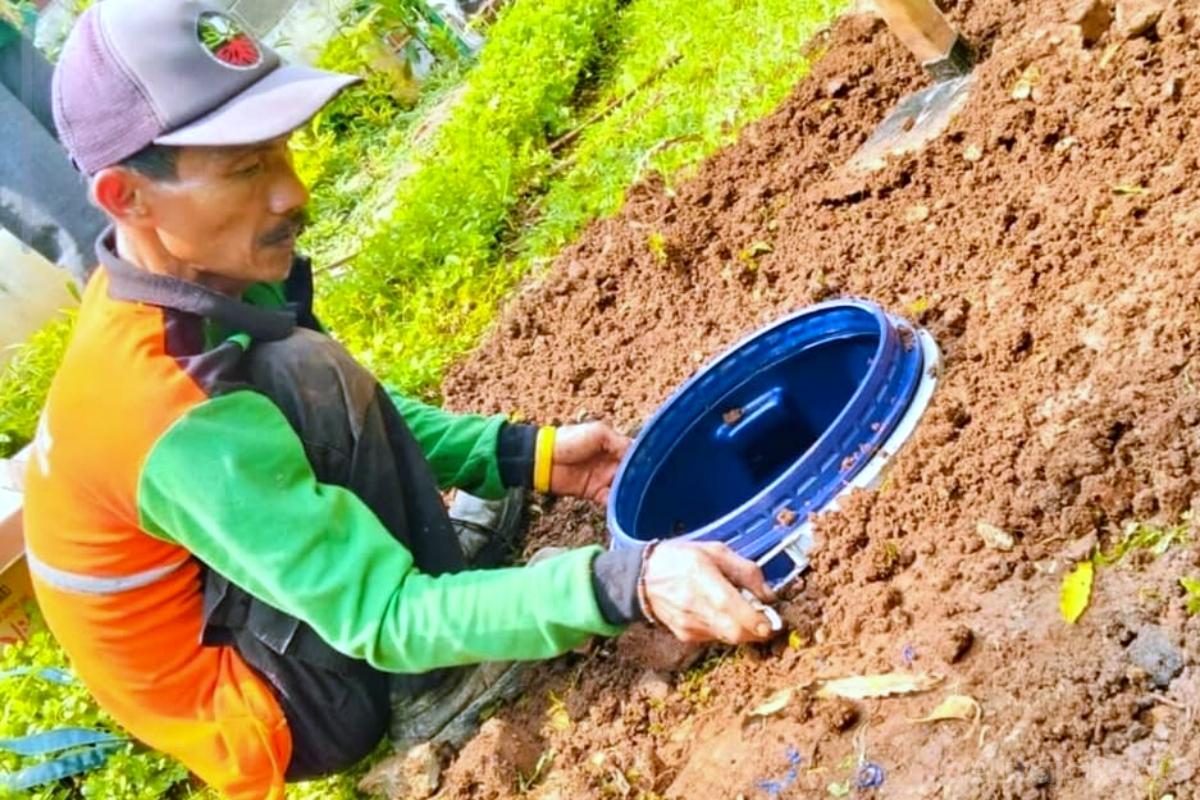
The installation process begins with excavating a hole approximately one meter deep and 50 centimeters in diameter. Subsequently, a blue barrel—measuring 80 centimeters in height and 40 centimeters in diameter, with perforated sides—is embedded into the ground.
"The barrels will serve as receptacles for organic food scraps from the Al Hamid Boys' Islamic Boarding School. To speed up the breakdown process, an EM4 solution will be added to facilitate fermentation into compost," he stated.
According to him, the compost produced from this process will be used to enrich the soil for the urban farming initiatives managed on-site by the school.
"Aside from the boarding school area, jumbo biopores will also be placed at Munjul Reservoir, Munjul Market, the local urban village office, and several other key locations," he concluded.