Commission B Pushes for Better Governance, Oversight in Jakarta
Reported by Fakhrizal Fakhri | Translated by Nugroho Adibrata
Jakarta City Council Commission B submits key findings and recommendations to the Jakarta government during deliberations on the Draft Budget Accountability 2025 (P2APBD).
Budget absorption for the fiscal year 2025 reached 90.22 percent
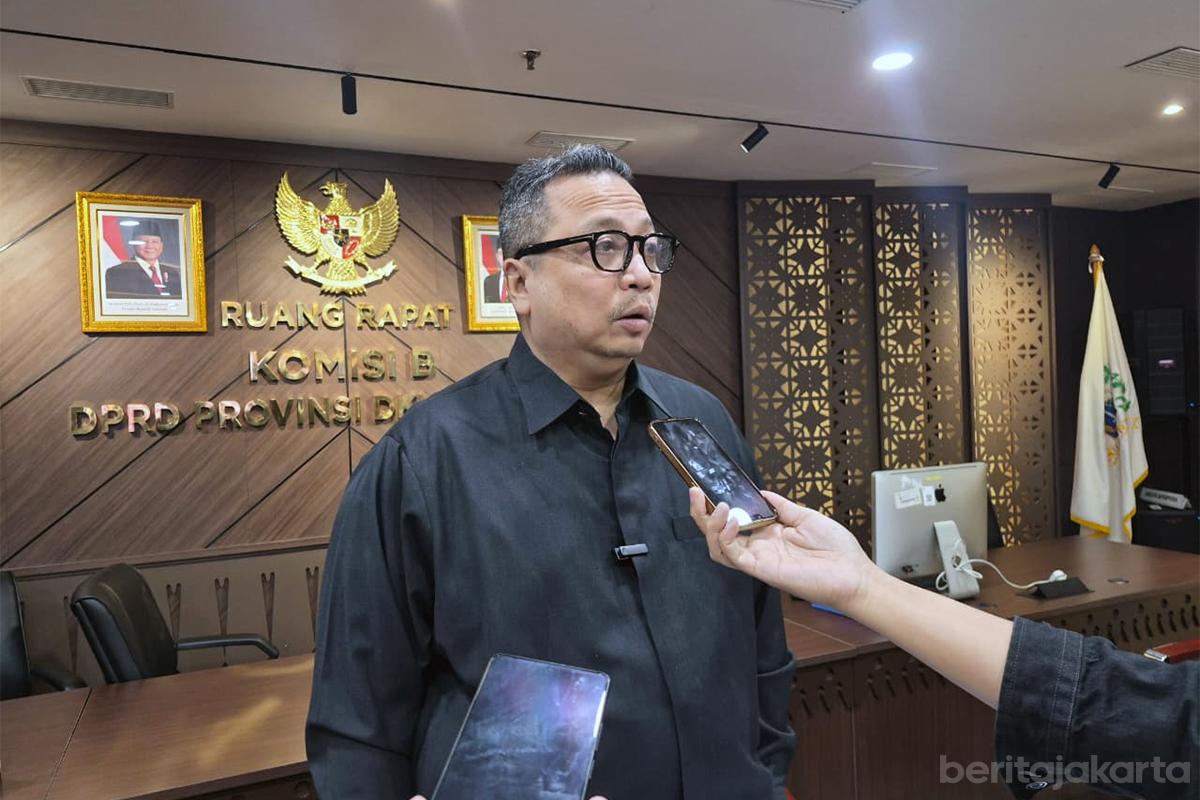
Jakarta City Council Commission B Chairman, Nova Harivan Paloh stated that joint deliberations with regional government agencies (SKPD) and regional-owned enterprises (BUMD) were conducted from June 15–17, 2026.
"Based on the results of these discussions, the budget absorption for the fiscal year 2025 reached 90.22 percent of the total Rp 12.45 trillion allocation," he expressed, Wednesday (6/24).
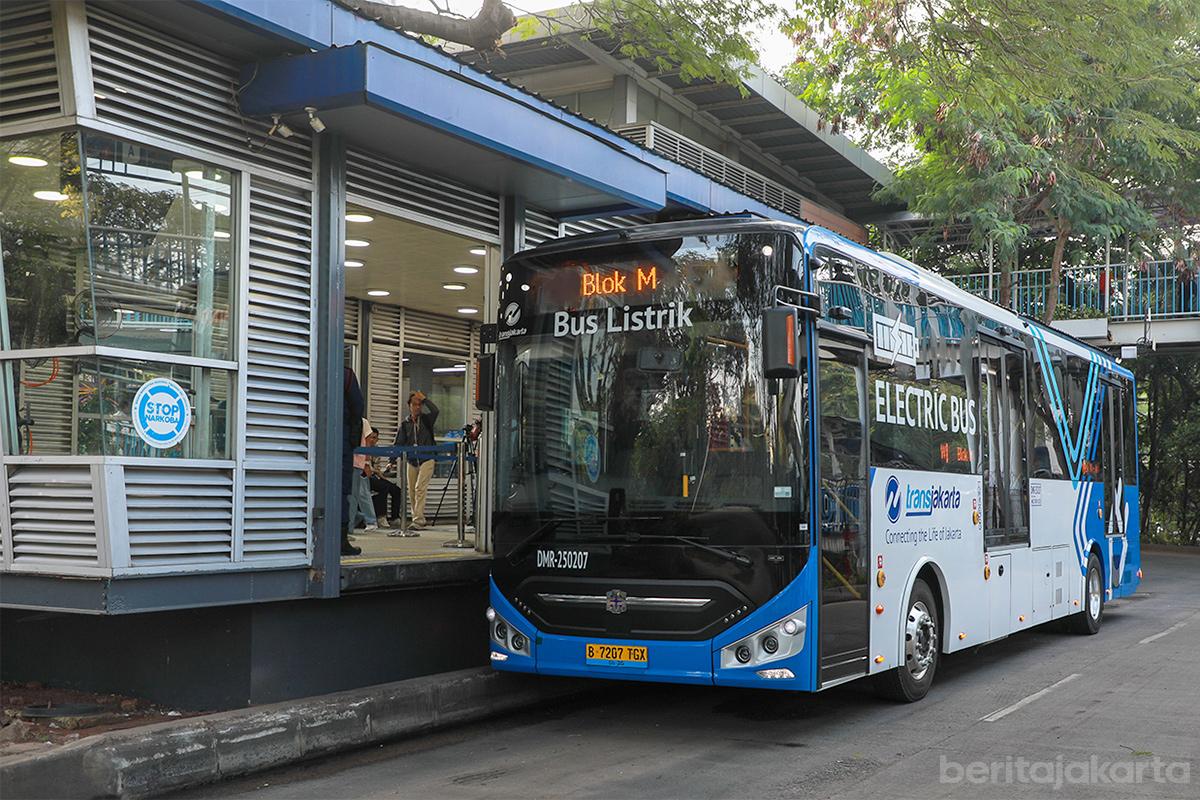
Commission B Advocates for Accelerated Transition to Renewable EnergyDespite the progress, Commission B flagged several concerns. Key among them is the budget surplus in the Transportation Agency’s road traffic and transportation subsidy program.
Further, the commission pointed out that infrastructure activities at the PPKUKM Agency and other agencies fell short of targets, hampered by procurement bottlenecks and unresolved supporting asset statuses.
Additionally, his party called on BUMDs to expedite their response to BPK’s audit findings.
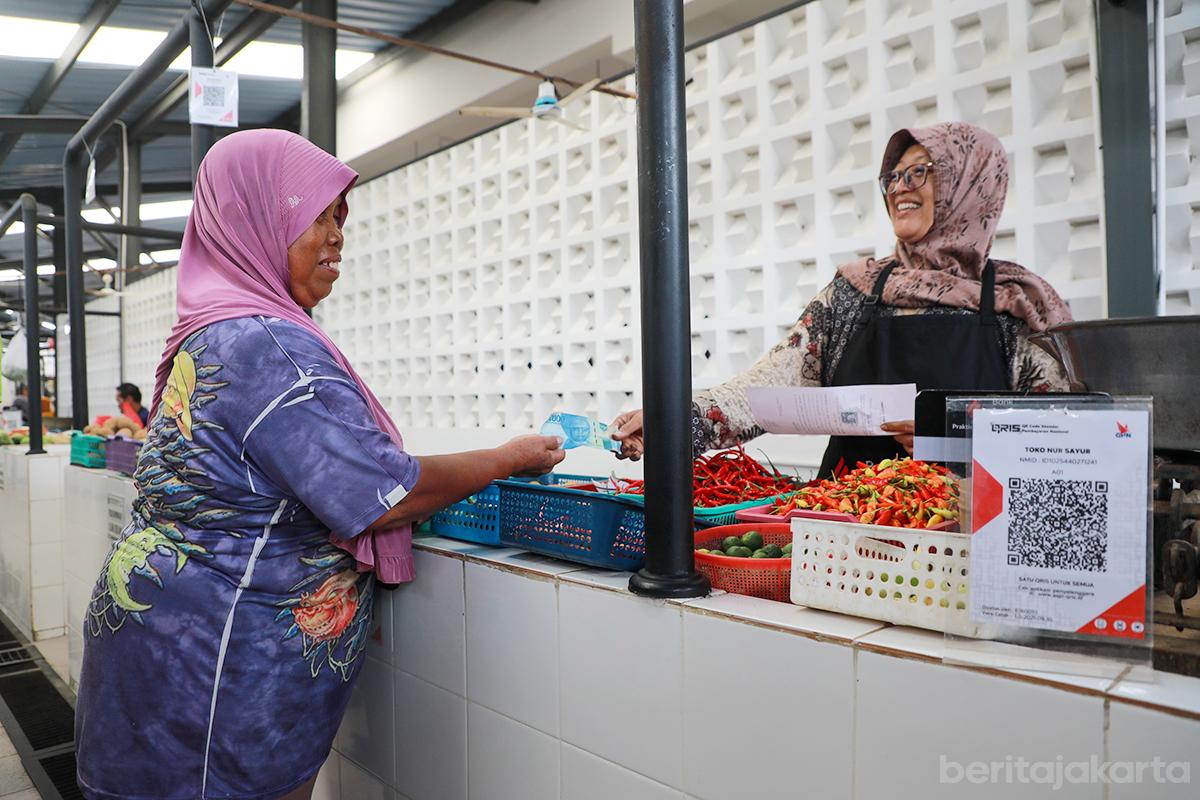
To drive local revenue growth, lawmakers are advocating for the optimization of revenue sources by strengthening supervision, digitalizing collection systems, restructuring assets, and refining existing regulations.
Specifically, the Investment and One-Stop Integrated Services Agency (PMPTSP) has been urged to immediately finalize regulations regarding utility network placement levies.
At the same time, the Transportation Agency is pushed to optimize parking income via end-to-end digitalization, and the Food Security, Fishery and Agriculture Agency (KPKP) is tasked with accelerating Muara Angke's transition into a Regional Public Service Agency (BLUD).
Regional asset management was also high on the agenda. He called on the Jakarta government to expedite asset certification and inventory, while settling long-standing asset disputes that frequently appear in audit reports.
"Commission B is also demanding stronger verification and monitoring to ensure government aid reaches the intended recipients," he continued.
In the food sector, Nova emphasized the need for real-time data synchronization between the Civil Registry Office, Statistics Indonesia (BPS), and relevant regional agencies to improve the accuracy of beneficiary data.
He also reminded all SKPDs and BUMDs to bolster the Government Internal Control System (SPIP), contract oversight, and procurement management. This is aimed at preventing recurring issues such as overpayments, work volume shortages, and non-compliance with technical specifications.
"Commission B is pushing all regional agencies to look beyond mere outputs and focus on measurable outcomes and real-world impacts," he added.
Meanwhile, the PMPTSP is expected to provide a deeper analysis of the correlation between investment inflows, job creation, and local economic expansion.
His party also highlighted the governance of BUMDs, including the effectiveness of regional capital injections (PMD) and the high level of dependency several firms still have on such funding.
Nova reiterated that transparency and accountability remain paramount in program, budget, and asset management.
"We're pushing for the expedited recovery of non-performing receivables and bolstered internal controls to ensure these issues do not resurface. The aim is to promote more robust financial health for BUMDs," he stated.