Powering a Global City, Jakarta Upgrades Population Management Regulation
Reported by Fakhrizal Fakhri | Translated by Nugroho Adibrata
The Jakarta Child Protection, Population Control, and Population Empowerment Agency (PPAPP) is backing the new Draft Bylaw on Population Management to fuel the capital’s transformation into a world-class global city.
It’s about taking control through strategic policies
The shift from population control to population management marks a game-changing broader scope—moving past mere headcounts to focus on boosting population quality and smarter distribution.
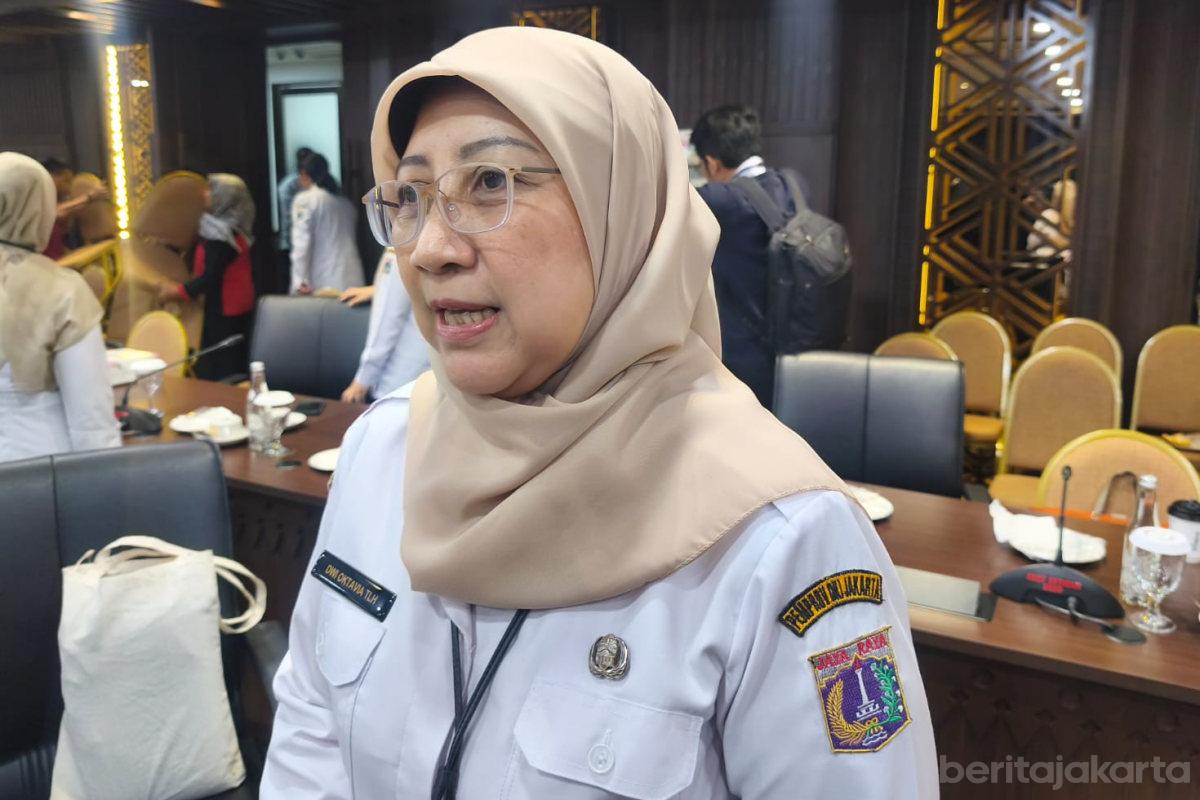
Jakarta PPAPP Agency Head, Dwi Oktavia emphasized that managing the population is essential to keep Jakarta's growth and civic activities well within the city’s carrying capacity.
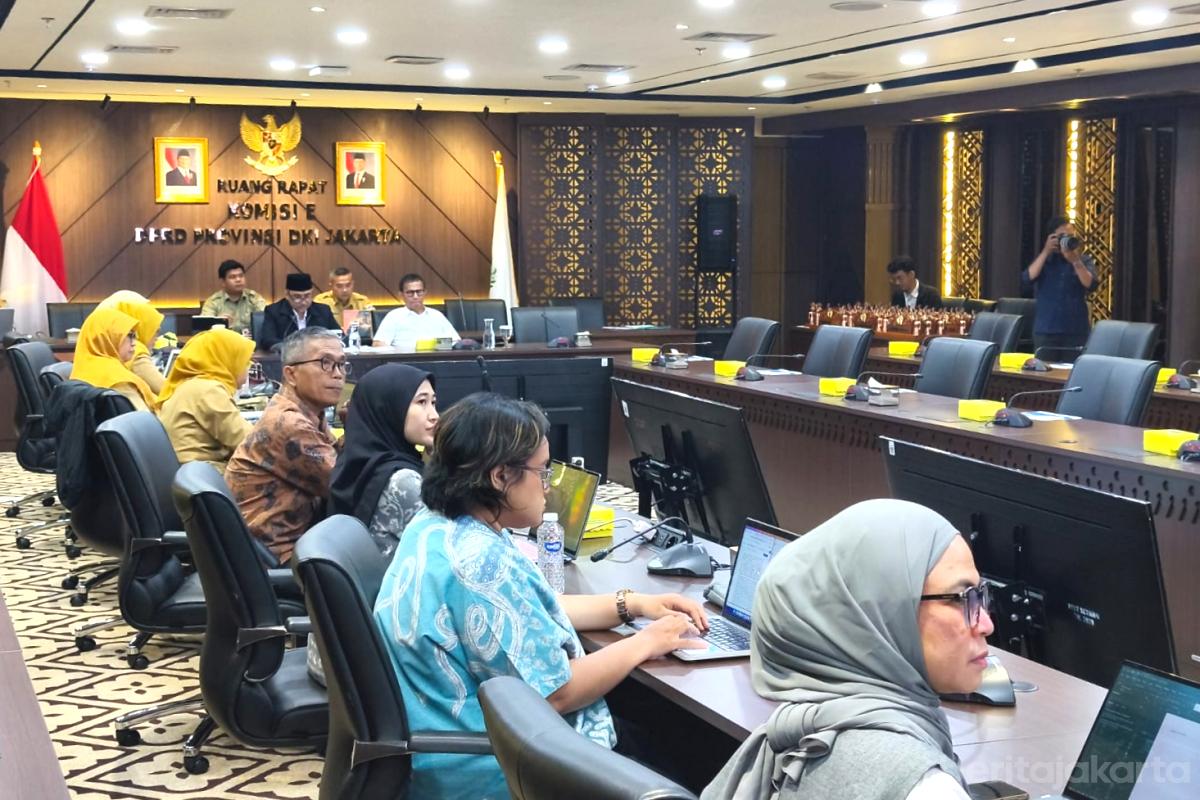
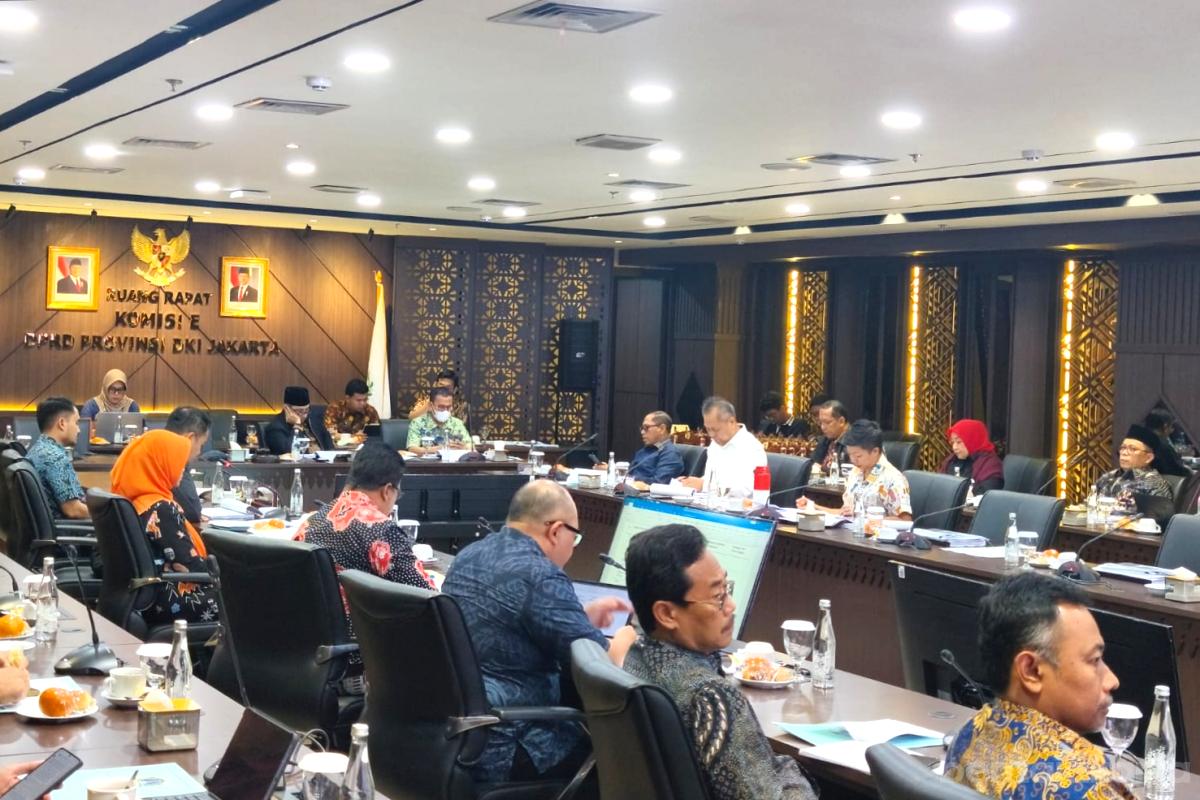
Bapemperda Pushes for Stronger Child Protection in Child-Friendly City Draft Bylaw"It’s about taking control through strategic policies that balance population numbers, improve quality of life, and optimize distribution across the city," she stated, following a meeting with the Jakarta Legislative Council’s Regulation Drafting Body (Bapemperda), Wednesday (9/16).
"Building a truly global city takes far more than just sleek skyscrapers and modern infrastructure—it requires empowering our people and aligning population growth with the city's capacity," she stressed.
Then, the new draft bylaw will act as the master legal umbrella for high-density revitalization and vertical housing projects, while firmly grounding policies in managing population quantity, quality, and distribution.
She explained that shifting to management redefines residents as active policy partners rather than targets of control, aligning with recommendations from the National Population and Family Planning Agency (BKKBN).
"Aligning with BKKBN's recommendation, this change to population management reframes how we value and empower our people," she affirmed.
The legislative recently upgraded the Draft Bylaw from Control to Management—expanding its scope to champion residents' rights, welfare, spatial planning, and public services.
Driven by a dip in official Jakarta ID holders and stark district density imbalances, the city is reshaping housing, transit, and work hubs to ensure urban growth moves hand in hand with what Jakarta can sustain.