
Equal Distribution of Teachers Needed to Reduce Workloads
Reported by Fakhrizal Fakhri | Translated by Nugroho Adibrata
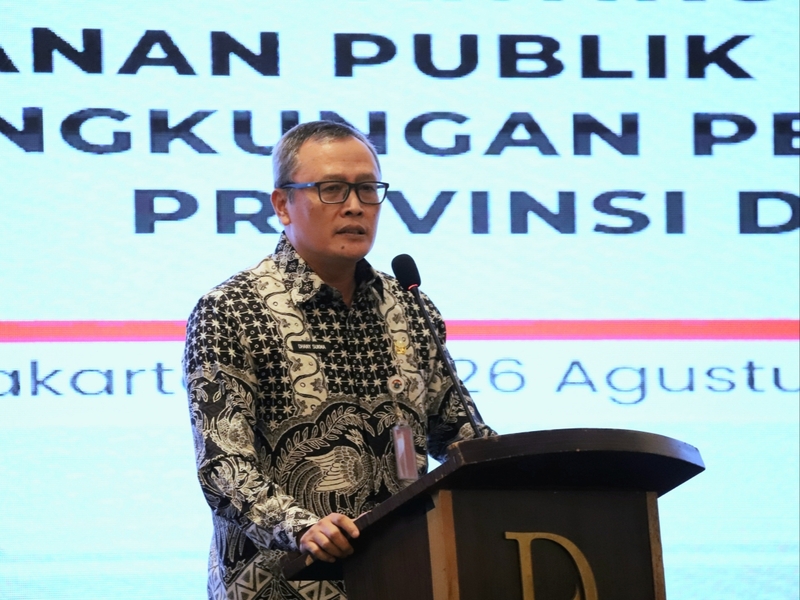
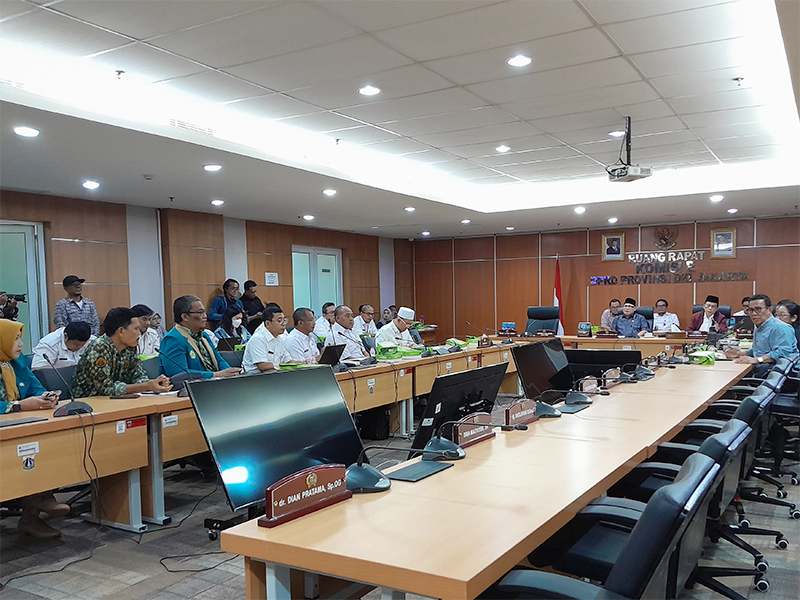
Legislative Council Commission E Member, Ghozi Zulazmi has highlighted an ongoing imbalance between the number of teachers and actual school staffing needs across Jakarta, leading to excessive workloads for a significant portion of the teaching staff.
This figure doesn't fully resolve our cumulative shortage
Ghozi explained that this concern surfaced during official discussions with the Jakarta Education Agency (Disdik) alongside direct complaints from teachers on the ground, making staff recruitment crucial to sustaining quality classroom instruction.
"According to our findings during meetings with the Education Agency and direct reports from teachers, staffing levels in Jakarta remain disproportionate. As a result, numerous teachers are weighed down by heavy workloads," he expressed, Thursday (9/24).
Dozens of SDN Kalibaru 01 Teachers and Students Receive Medical TreatmentHe pointed out that the Education Agency has proposed 2,545 KKI contract positions during the 2026 city budget (RAPBD) deliberations—comprising 1,879 teaching roles and 666 educational staff positions across PAUD to vocational school (SMK) levels. Even so, this allocation falls short of total staffing needs.
"This figure doesn't fully resolve our cumulative shortage. The Education Agency itself admits there is a heavy concentration of vacancies, particularly for Math, Physics, English, and vocational teachers," he added.
He pushed for optimized recruitment via the KKI scheme, tailored specifically to subject requirements and individual school conditions.
He stressed that expanding the teaching force must go hand in hand with securing proper rights for non-ASN educators, upgrading qualifications and certifications through the Teacher Professional Education (PPG) program, and balancing personnel spending to fit the city's fiscal capacity.
"The teacher deficit in Jakarta is undeniable, made worse by central government ASN quota caps. Moving forward, we must strengthen the existing KKI framework, ensure fair pay and rights under regulations, and keep personnel spending under control to protect the municipal budget," he concluded.