Taufiq and Liliana Champion Grassroots Waste Processing in Jakarta
Reported by Aldi Geri Lumban Tobing | Translated by Nugroho Adibrata
Even the smallest positive action, when done with sincerity and persistence, can create lasting benefits for both the environment and community life. Jakarta residents Taufiq Supriadi and Liliana Nur Gandi embody that spirit—earning recognition at the Waste Sorting and Processing Heroes Awards 2026.
We regularly host workshops with our Waste Ambassadors team
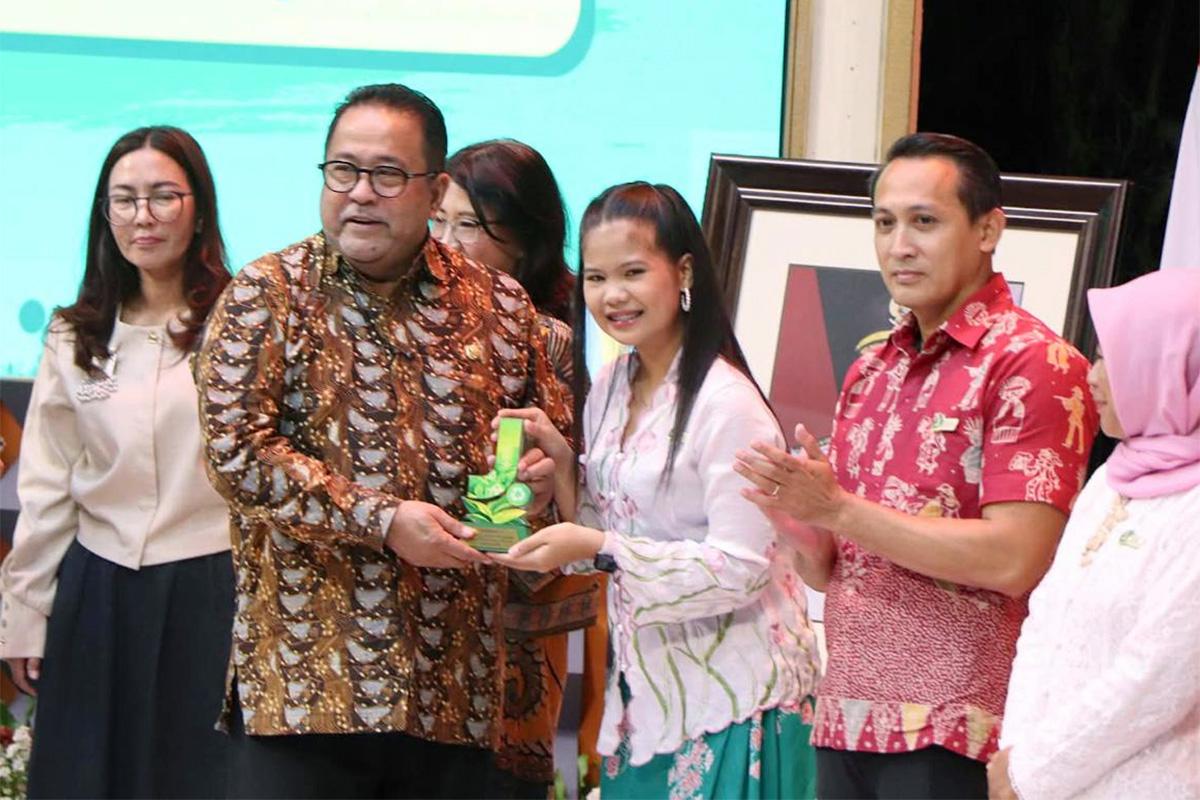
Taufiq, Head of RT 08/RW 04 in Malaka Jaya, Duren Sawit, East Jakarta, took home First Place in the Community Mover category, while Liliana of SMAN 37 Jakarta in Kebon Baru, Tebet, South Jakarta, earned First Honorable Mention in the same category.
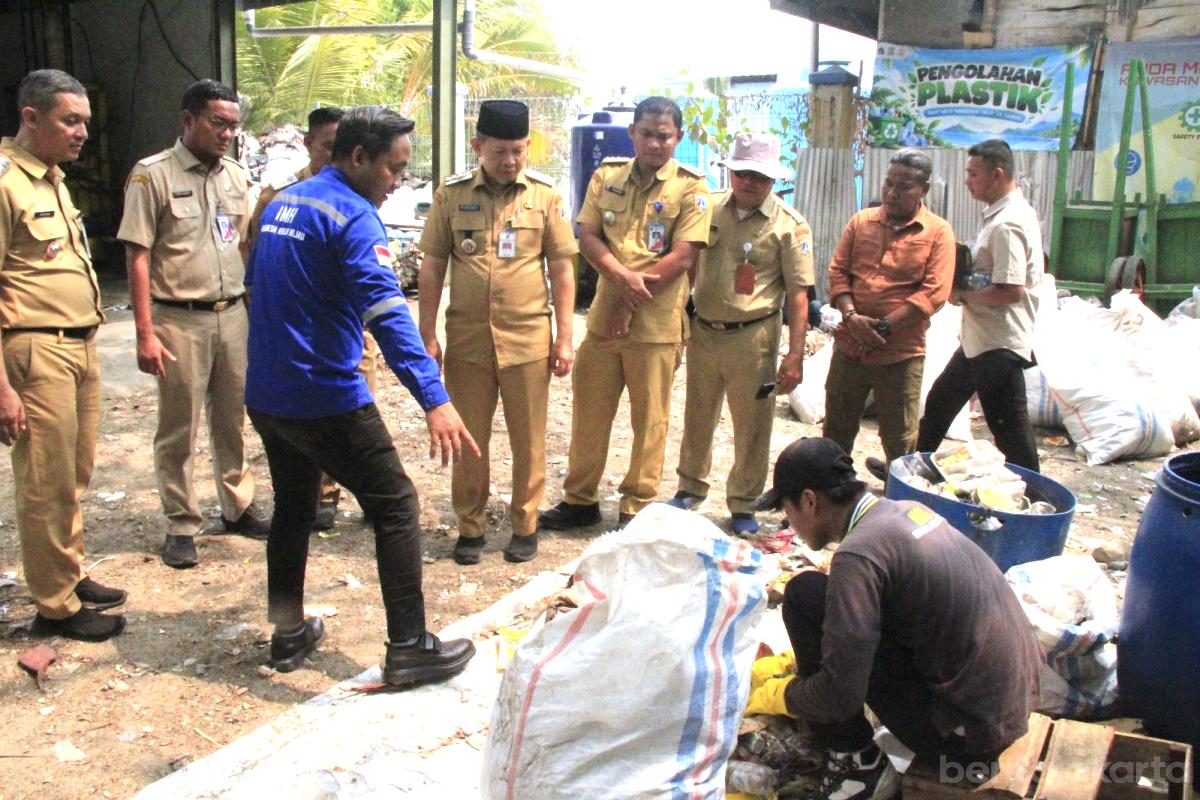
Under his leadership, residents turn organic waste into resources through composters, maggot farming, and biopore holes—directly fueling neighborhood urban farming—while upcycling inorganic waste into practical items.
Waste Sorting and Processing Heroes Expected to Inspire Environmental Care MovementsAt the heart of the program is building lasting collective habits. He stressed that local leaders must lead by example, teach practical skills, and provide proper equipment so residents can easily get involved.
"Don't just tell residents what to do without providing the tools and showing them how. People need guidance and hands-on support from their neighborhood leaders. When leadership by example, knowledge, and facilities come together, communities naturally step up," he expressed, Thursday (11/12).
For him, the award he received represents recognition of the community's collective efforts. The accolade serves as encouragement to continue nurturing the habits they have built together.
"The Waste Sorting and Processing Heroes Awards 2026 have further energized us activists because we feel seen and supported. This is an extraordinary appreciation for all our residents," he explained.
He hoped that the progress in RT 08/RW 04 would motivate other neighborhood leaders to kick off similar initiatives.
"The more communities step up, the wider the habit of sorting and processing waste will spread," he added.
Meanwhile, Liliana and her peers in the Waste Ambassadors club inspire students at SMAN 37 Jakarta to see waste as a resource for creativity and hands-on learning—tailoring eco-activities to match their classmates' interests.
"We regularly host workshops with our Waste Ambassadors team. For instance, we weave rugs from plastic waste since so many students love cutting and sewing, and we run composting science projects. That way, students learn waste management through hobbies they actually enjoy," she explained.
These activities run under the Jakarta Go Organic (JAGO) program. Through one of its arms, Jakarta Fantastic Without Plastic (JANTIK), students turn discarded plastics into woven rugs and tissue holders.
"Under the Eco Life initiative, every class is also encouraged to brew eco-enzymes from organic waste," she added.
Other initiatives bridge school learning with the local community. Under Maggot Life, students raise black soldier fly larvae to supply catfish farmers around Kebon Baru, while Lift To Life turns collected dry leaves into nutrient-rich compost.
Hands-on projects like these show students that waste still holds real value when sorted and handled properly. To Liliana, youth action starts with everyday habits at school that carry naturally into home life.
"As young people, we're directly affected by waste problems too. It's such a missed opportunity when usable waste goes unsorted and untreated. Let's start with ourselves and our immediate circles—working together, we can make a real difference for Jakarta's environment," she said.