Collaboration in River Pollution Control Efforts to Improve Water Quality
Reported by Aldi Geri Lumban Tobing | Translated by Nugroho Adibrata
The Jakarta Government continues to promote cross-sector collaboration in controlling river pollution. This effort is part of a strategic step to improve water quality comprehensively in five major Jakarta rivers, namely Ciliwung, Cipinang, Sunter, Cideng, and Grogol.
Collaboration is needed to address this issue
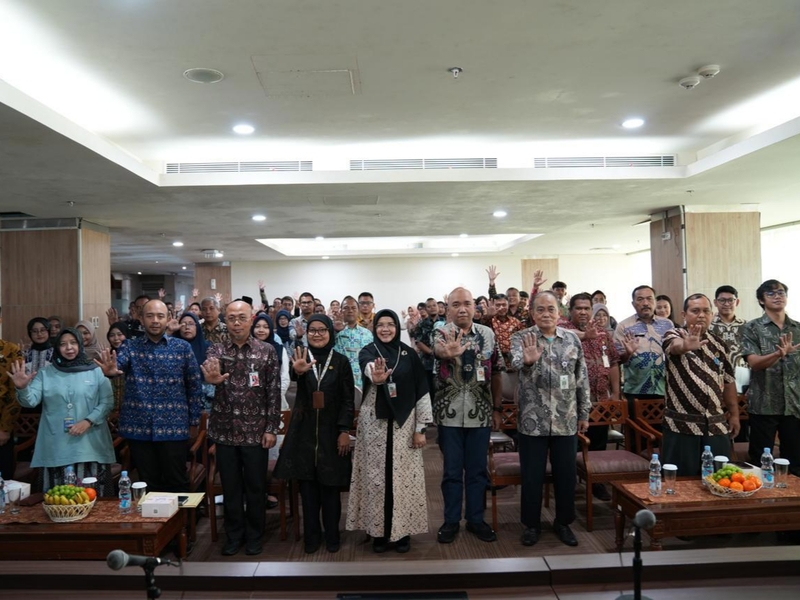
The Jakarta Environmental Agency collaborated with the Technology Institute of the Faculty of Engineering, University of Indonesia (LEMTEK UI) to inventory the pollution loads in the five rivers.
The results indicate that the treatment of domestic waste of the black water type (sewage from toilets containing feces, urine, and organic materials) is already relatively good, with treatment efficiency reaching 95 to 98 percent.
Rivers with Severe Pollution in Jakarta DecreaseHowever, a different situation occurs with grey water waste, which is wastewater from washing, bathing, and cooking activities, most of which is still discharged directly into rivers without treatment.
Untreated grey water remains very high, at 95 percent in Ciliwung, 91 percent in Cipinang, 87 percent in Sunter, 62 percent in Cideng, and 80 percent in Grogol.
"This indicates that our domestic wastewater management system still does not cover all aspects," said LEMTEK UI Researcher, Mochamad Adhiraga Pratama, Monday (8/11).
It is recorded that river pollution is worsened by activities from MSMEs, traditional markets, activities at slaughterhouses involving poultry slaughter, and farming activities that do not have wastewater treatment systems.
Development and Environment Bureau Head, Iwan Kurniawan, said rivers have a vital function for the ecology and social life of the city community.
Therefore, the Jakarta Government keeps demonstrating its commitment to improving water quality through programs such as Jakarta Free from Trash, Jakarta Waste Awareness, River Naturalization, Mud Reclamation, as well as strengthening supervision of pollution sources and the implementation of Environmental Management Statements (SPPL).
"Collaboration is needed to address this issue among the government, community, business actors, and academics to make the rivers in Jakarta cleaner, healthier, more resilient, and globally competitive," he explained.
Jakarta Environmental Agency Head, Asep Kuswanto, stated that the largest sources of pollution, besides the domestic sector, come from micro, small, and medium enterprises classified as requiring an SPPL permit.
He explained that efforts such as workshops, laundry services, restaurants, printing shops, and even slaughterhouses, although small-scale, will have a significant impact on water pollution if they do not have adequate wastewater treatment systems.
"Therefore, the Environmental Agency, together with cross-sectoral agencies down to the sub-district level, continues to strengthen supervision and guidance for small-scale business actors to ensure their wastewater treatment complies with regulations. This is a concrete step to address pollution at its source," he closed.