
Kombongan Market Upgrade Signals Jakarta’s Commitment to Local Economy
Reported by Fakhrizal Fakhri | Translated by Nugroho Adibrata
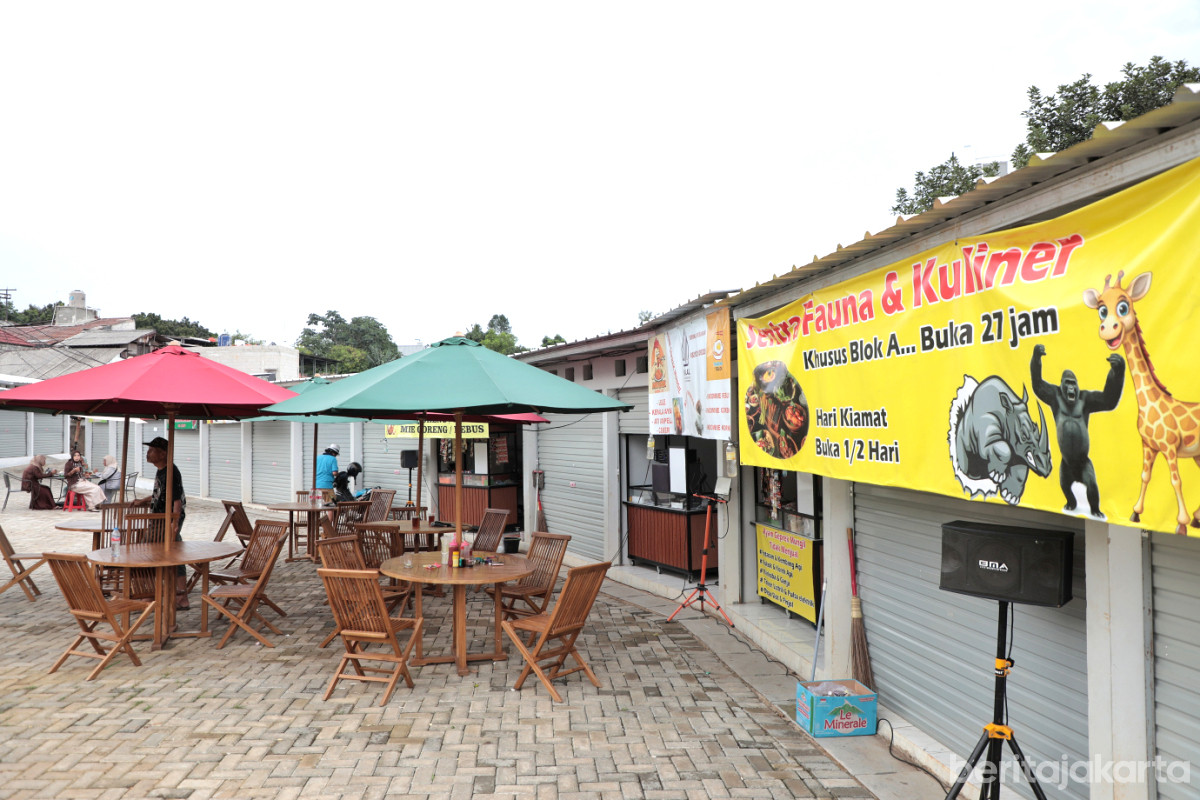
Jakarta City Council Commission B Member, Muhammad Al Fatih has commended Jakarta Governor Pramono Anung for revitalizing the Kombongan Market after it stood derelict for five years.
It shows that traditional markets aren't becoming obsolete
Working alongside Perumda Pasar Jaya, the city’s makeover of the market is seen by Fatih as a milestone in Jakarta's pledge to empower traditional markets and stimulate the grassroots economy.
He emphasized that Kombongan Market’s transformation is as much about the environment as it is about modernization. By adopting solar panels and QRIS digital payments, the market is shedding its old image for a more sustainable and tech-forward identity. This move is seen as vital for traditional markets to stay competitive and relevant as Jakarta continues its rapid urban development.
Legislator Back Gen Z Tech to Solve Waste and Traffic Woes“It shows that traditional markets aren't becoming obsolete—they’re being pushed to evolve,” he noted, Thursday (1/8).
Despite the praise, he warned that the city must still address lingering challenges, specifically the difficult vehicle access currently hindering the market’s reach.
He welcomed the Governor’s push for better road access, calling it a "key requirement" for the success of the newly reopened market. He further encouraged the administration to keep the momentum going by targeting other stalled projects.
Fatih specifically advocated for the revitalization of Pasar Gedong, urging officials to provide modern public markets to neighborhoods that have been underserved for too long.
He then stressed that physical revitalization must be paired with a digital overhaul. He is calling for public markets to integrate into online shopping networks and rapid delivery apps. This digital transition is seen as vital for traditional markets to hold their own against the rise of modern, tech-savvy retail models.
“Proper support allows traditional markets to leverage their unique strengths: fresh produce, community ties, and equitable pricing,” he added.
He added that these markets are more than mere points of sale; they are the lifeblood of the grassroots economy. By adopting modern management without losing their cultural soul—and bolstered by inclusive infrastructure and digitalization—he believes traditional markets will remain a vital fixture of Jakarta’s identity as a global city rooted in social equity.