Food Station Unveils Strategy to Steady Food Supplies and Prices
Reported by Fakhrizal Fakhri | Translated by Nugroho Adibrata
PT Food Station Tjipinang Jaya is rolling out a multi-pronged strategy to anticipate the surge in food demand during Ramadan and Idulfitri holidays.
The situation remains relatively safe
This state-owned food company (BUMD) is focusing on five key areas: boosting regional supplies, diversifying procurement schemes, expanding distribution networks, conducting daily low-cost market operations, and ensuring transparency in stock and pricing data.
President Director Dodot Tri Widodo noted that major religious holidays invariably drive up consumption, particularly for staples such as rice, eggs, cooking oil, and flour.
Welcoming Ramadan, Market Facilities and Cleanliness Improved"Rice demand typically sees a modest increase of around 8%, while egg consumption can spike between 7% and 17%. There is a clear upward trend in consumption during this period,” he expressed, Friday (2/12).
To secure rice supplies, Food Station is expanding inter-regional cooperation through two main schemes: acting as a standby buyer to purchase grain from producing regions and on-farming, which involves financing farmers to plant rice.
“We are collaborating with Lampung, Central Java, West Java, East Java, and most recently, Bali,” he revealed.
Food Station’s current rice stock stands at 80,000 tons, while household demand for February–March is projected at 151,023 tons. An additional 18,000 tons has been earmarked specifically for the upcoming religious holidays. On average, Jakarta consumes 2,500 tons of rice daily, or roughly 70,000–75,000 tons per month.
The supply is further bolstered by the Cipinang Rice Wholesale Market (PIBC), which maintains an average daily stock of 40,000 tons.
“With a daily requirement of 2,500 tons, the stock at PIBC alone is sufficient for the next 20 days. Therefore, the situation remains relatively safe,” he added.
Beyond rice, sugar demand is also climbing as residents prepare for holiday baking. Food Station currently holds 192 tons of sugar and is set to bring in an additional 1,447 tons through partnerships with PT PN and ID Food.
Cooking oil supplies will receive a massive boost, with 643,530 liters being added to the existing 36,234 liters. Meanwhile, egg stocks will jump from 4.1 tons to over 1,000 tons, and flour supplies will be increased by 63.2 tons to meet holiday requirements.
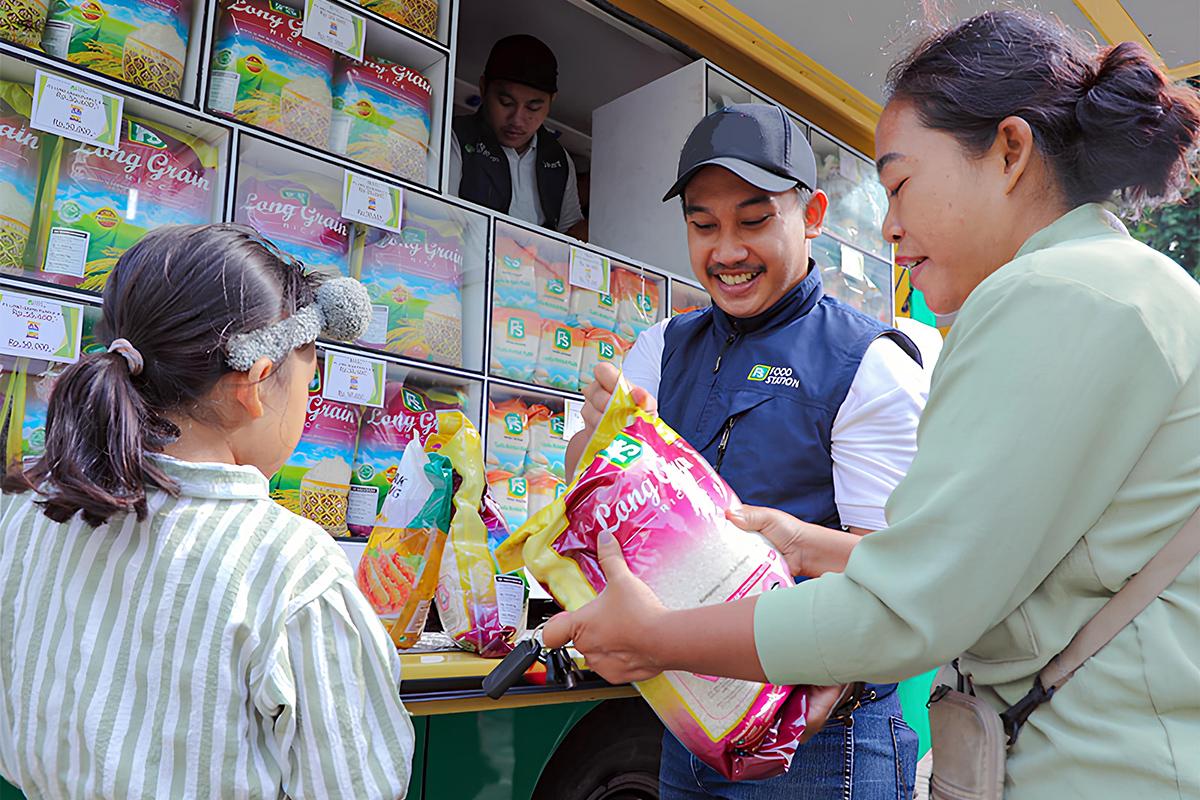
To ensure wide availability, Food Station is leveraging a vast distribution network of 39,000 modern retail points and 1,000 conventional clients. The company is also intensifying subsidized low-cost market operations to keep prices in check.
“We are conducting these markets daily at 10 locations, including neighborhood offices and public housing, to ensure that middle-to-lower income groups can still afford essential staples,” he added.
Jakarta Food Security, Maritime, and Agriculture Agency (KPKP) Head, Hasudungan A. Sidabalok has assured the public that food availability in the capital remains secure despite the seasonal surge in demand.
“Rice stocks for March are projected to be sufficient, even surpassing monthly requirements. Generally, strategic commodities are in a safe position,” he stated.
Regarding price trends, garlic, pure beef, and sugar saw slight increases from January to February. Conversely, horticultural products—such as red bird's eye chilies and curly red chilies—experienced significant price drops.
He noted that horticulture remains a priority because these goods are highly perishable. “These commodities are vulnerable. Even minor distribution glitches can immediately trigger price hikes and impact local inflation,” he explained.
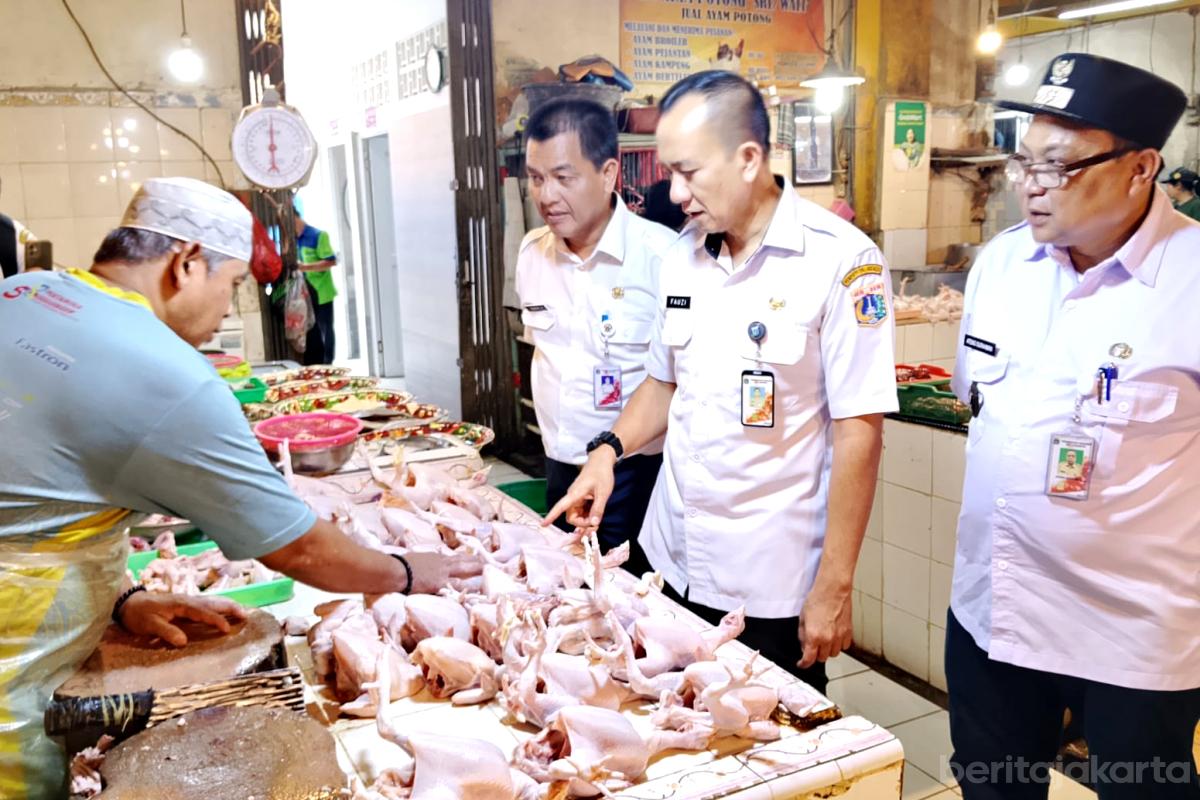
Meanwhile, prices for manufactured goods like cooking oil and sugar are deemed relatively stable. Cooking oil prices, which peaked in October 2025, have continued to flatten. Prices for beef, poultry, and eggs also show a steady trend thanks to coordinated oversight between central and local governments.
The Jakarta government, through the Regional Inflation Control Team (TPID), continues to conduct routine monitoring of stocks and market prices to prevent any shocks during the Ramadan and Idulfitri period.
“With the anticipated rise in consumption already factored into our projections, we are optimistic that supply and price stability in Jakarta will be maintained throughout the festive season,” Hasudungan concluded.