Commission B Advocates for Accelerated Transition to Renewable Energy
Reported by Fakhrizal Fakhri | Translated by Nugroho Adibrata
Jakarta City Council Commission B Member, M. Taufik Zoelkifli emphasized the importance of a concrete and measurable acceleration in the transition toward New and Renewable Energy (EBT) amid global uncertainty.
Commission B fully supports the direction of renewable energy policy
He stressed that energy policies should not remain mere rhetoric but must deliver a tangible impact on society.
"Commission B fully supports the direction of renewable energy policy. However, its implementation must be concrete, measurable, and yield a direct impact," he stated, Tuesday (4/28).
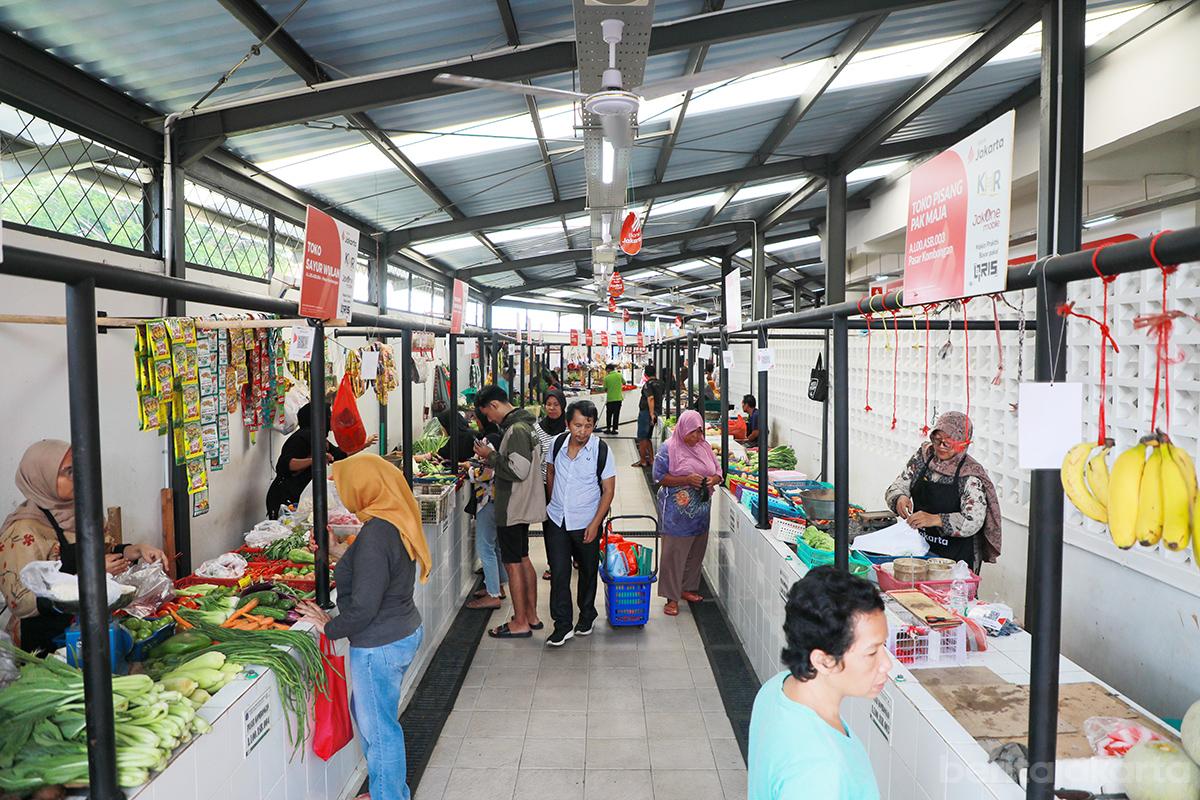
Commission B: Market Revitalization as a Model for ModernizationHe believes that several steps require immediate action, such as drafting regulations and offering incentives for rooftop solar panels on both public and private buildings.
Additionally, accelerating waste-to-energy programs is seen as vital, especially as they are under discussion by the Special Committee (Pansus) on Waste Management.
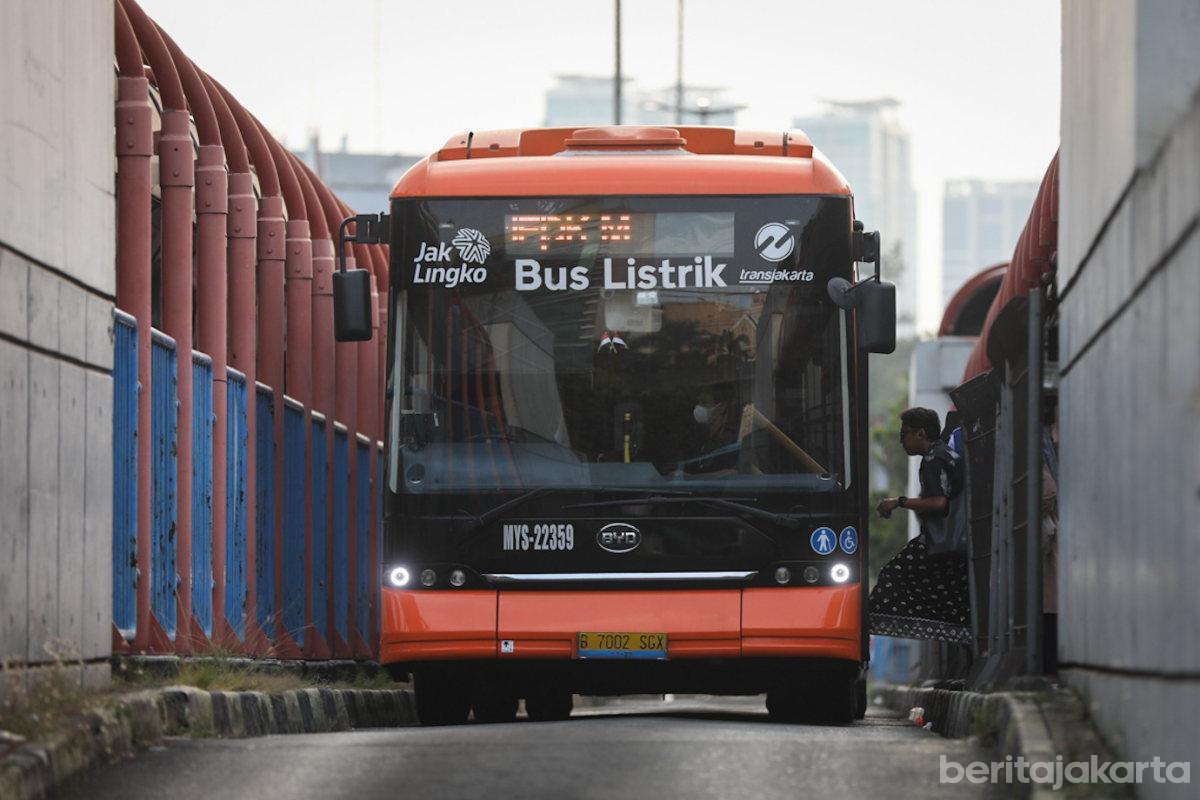
Taufik also pushed for a faster transition to electric vehicles, focusing on public transit and government service vehicles.
"Public transport should start switching to electricity. This is something the City Council needs to push seriously," he added.
Regarding financing, Commission B encourages the utilization of innovative schemes such as Public-Private Partnerships (PPP) and green financing to avoid straining the City Budget.
He noted that while the basic regulations are already in place, their implementation must be fast-tracked.
"Renewable energy must be a priority, not just an afterthought," he emphasized.
Meanwhile, Taufik pointed out the necessity of improving energy management, specifically for 3-kg LPG and subsidized fuels in the capital city. He assessed, energy challenges go beyond stock levels to include distribution precision and monitoring on the ground.
He stressed that 3-kg LPG distribution should be based on accurate 'by name, by address' data to ensure the subsidies reach those in need.
"Distribution needs to be based on data, making it clear who actually qualifies for the subsidy," he remarked.
He further emphasized that distribution oversight from agents down to retail points must be strengthened, including regular audits and tough penalties for practices like hoarding.
His party is also pushing for better coordination between the Jakarta administration, the central government, and Pertamina to secure quotas during global supply shocks.
Moreover, Taufik suggested an early warning system for energy distribution to help detect and address potential local shortages sooner.
"Shortages often happen not due to a lack of supply, but because of unequal distribution," he concluded.