Rano Unveils Jakarta’s Education Policy Roadmap
Reported by Budhi Firmansyah Surapati | Translated by Nugroho Adibrata
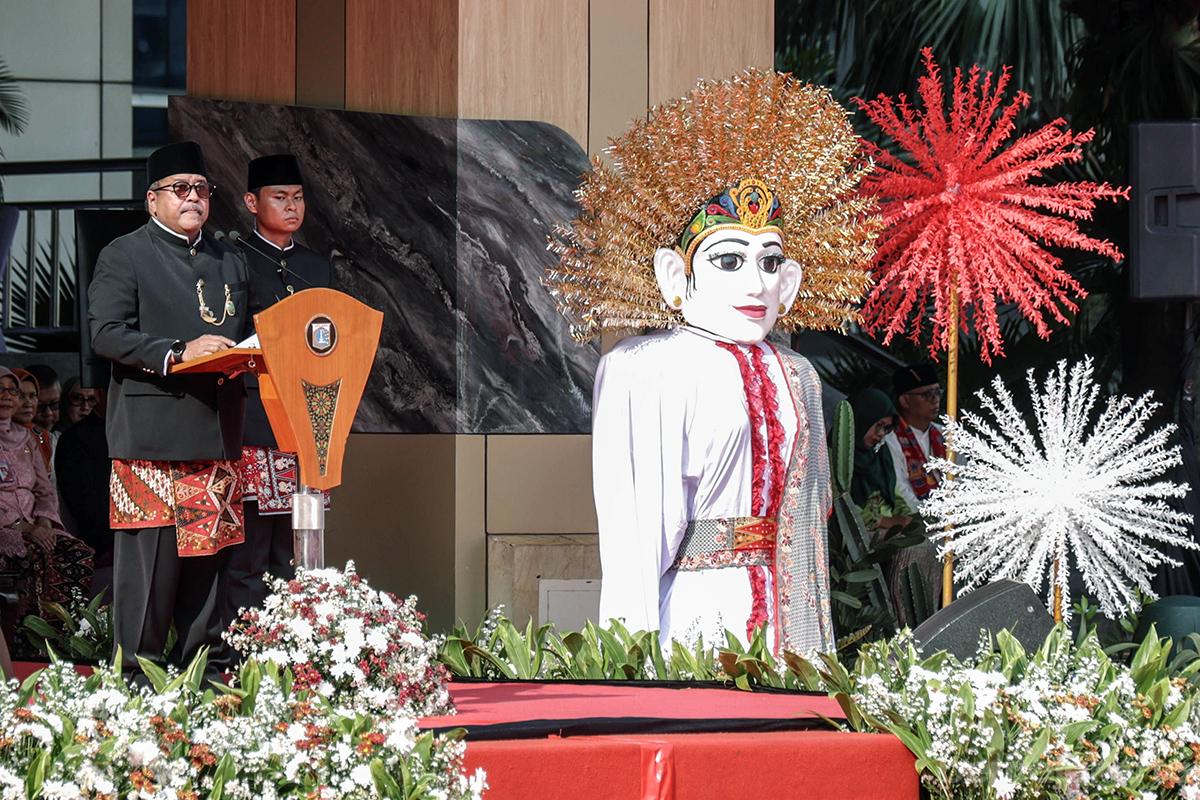
Jakarta Vice Governor, Rano Karno, outlined the future direction of the city's education policy during the peak commemoration of National Education Day (Hardiknas) 2026 at Jakarta Education Agency Hall on Friday (5/8).
Education must serve as a means of human empowerment
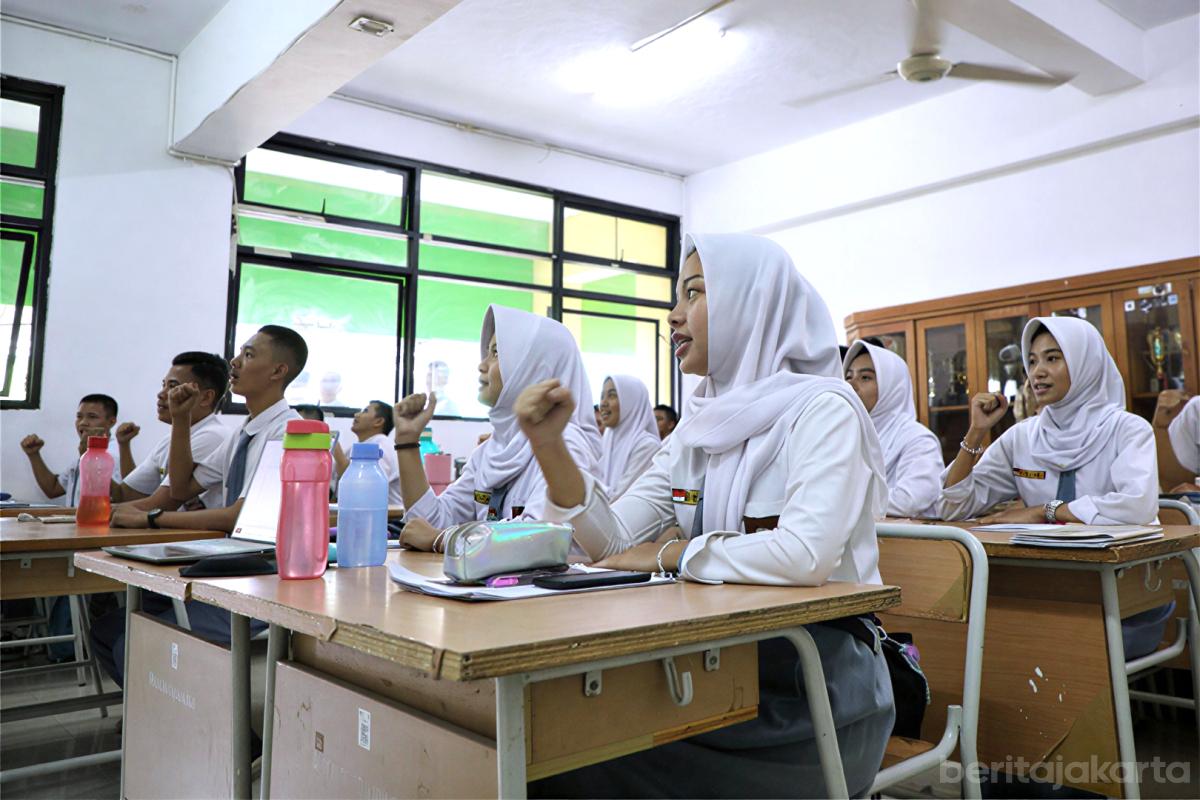
Rano stated that Jakarta's future education policy must strengthen adaptive learning quality, bridge the gap between education and the professional world, and build student character. It aims to improve the welfare of educators and expand inclusive education access, with teachers serving as the primary pillar.
"Education must be able to embrace all levels of society as an essential foundation for building civilization," he emphasized.
Pramono Affirms Commitment to Synchronizing Education and Workforce Towards a Global CityAccording to Rano, the challenges facing the world of education will become increasingly complex. He noted, technological disruption, shifts in the labor market, and global dynamics require the education sector to remain adaptable.
"In this context, education must serve as a means of human empowerment while simultaneously addressing the city's development goals," he stressed.
He revealed that the Jakarta government continues to drive educational transformation through various concrete steps. Among these, the government recently dispatched 561 vocational school (SMK) alumni to work in Japan, Germany, and Malaysia as part of an effort to provide Jakarta’s youth with opportunities to compete and contribute on a global scale.
Aside that, the commitment to inclusive education is demonstrated through the first phase of the "diploma release 2026" program for 2,026 students.
To further expand access, the government has allocated a total budget of nearly Rp 3.25 trillion for 707,477 recipients of the Jakarta Smart Card Plus (KJP Plus), and Rp 399.4 billion for 15,825 students receiving the Jakarta Excellent Student Card (KJMU) in the first phase of 2026.
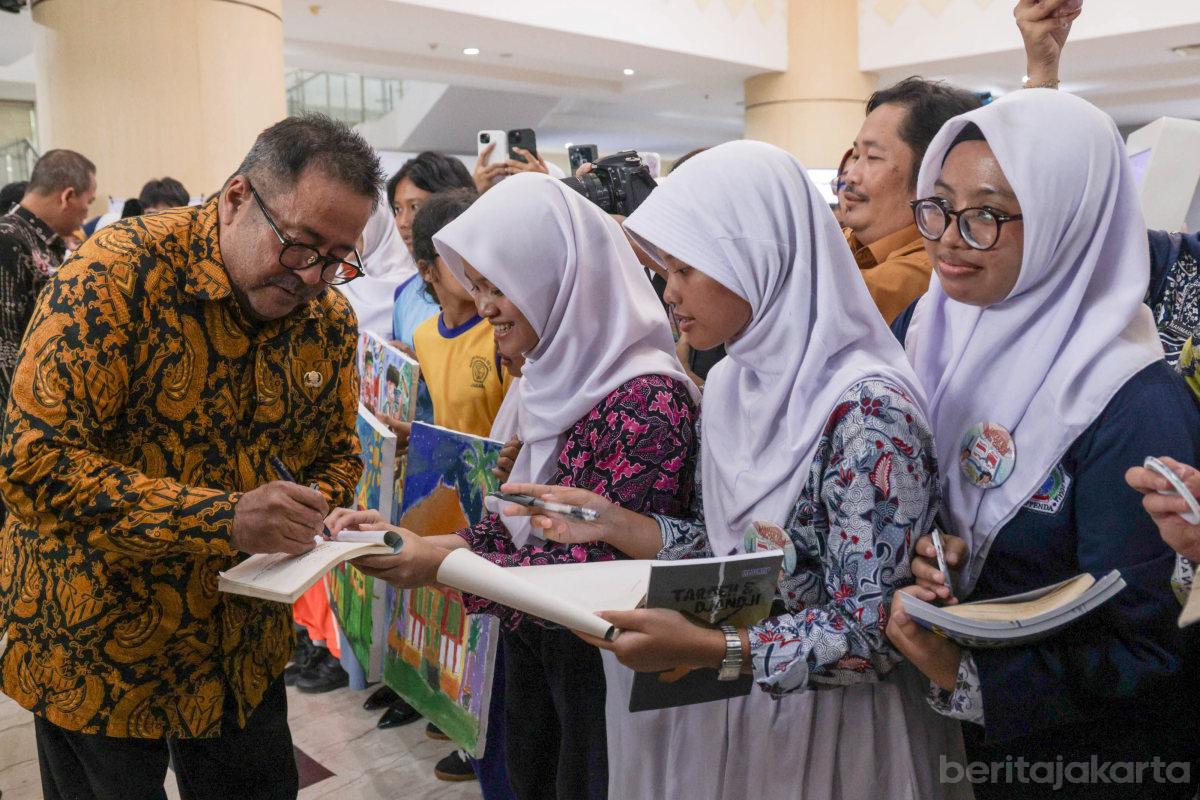
Further, there is a free private school program targeting 103 private schools. Rano described this as a concrete step toward achieving equal access to education, ensuring that no physical, financial, social, or administrative barriers hinder a student’s future.