City Imposes COVID-19 Rapid Tests with Serum, Targeting High Risk of Infection
Reported by Aldi Geri Lumban Tobing | Translated by Nugroho Adibrata
The blood needs to be rotated in the centrifuge tube for 15 minutes, thus producing serum
It is conducted using serum, which is fluid over blood clots that act as antibodies or the body's defense system. As we know, the virus attacks the body's defense system, so by using serum during a rapid test, the possibility of positive results will be higher.
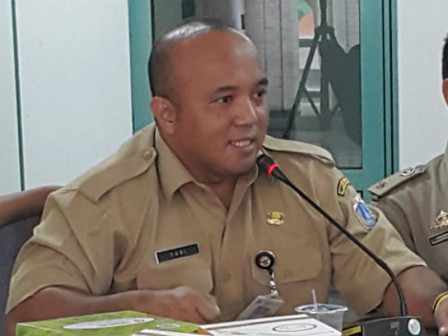
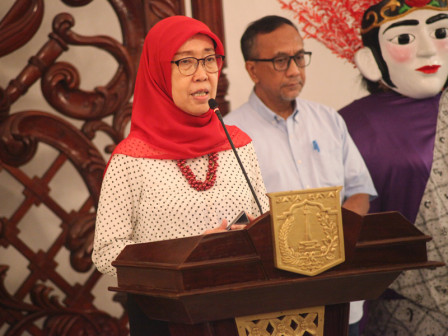
Jakarta Health Agency Head Widyastuti explained how to use a rapid test tool also varies depending on the brand. At this time, the city has rapid testing kits that use elbow-folding blood (whole blood) or serum.
6,600 Rapid Test Kits Provided in Hospitals and Puskesmas in East Jakarta"The blood needs to be rotated in the centrifuge tube for 15 minutes, thus producing serum. The possibility of being positive for the disease is higher rather than direct drops of blood," she expressed, on Wednesday (4/1), as quoted by Jakarta PPID's press release.
As of Tuesday (3/31), it had been noted that 18,077 people had undergone a rapid test, a percentage of 1.7 percent positive for COVID-19. As for the 299 people tested positive for COVID-19 and 17,778 were negative.
Related to the goals and priorities of the rapid test, that is people who are at high risk of transmitting or contracting COVID-19, such as medical workers and people who have a history of contact with cases of patients under monitoring (PDP), have a history of contact with patient confirmation cases and people under monitoring (ODP) that is a person who has a fever > 38°C or a history of fever, symptoms of respiratory system disorders such as colds/sore throats/coughs and has a history of living abroad and traveling in areas affected by COVID-19.
There are two procedures for conducting a rapid test, which are active by the Puskesmas to people at high risk of COVID-19 and passive by the Puskesmas where patients come for treatment at the Puskesmas yet the criteria for patients to get a rapid test determined by the officer. That means not everyone can do a rapid test.
If the test results are positive, the next step is to take a swab, isolate independently or be referred to the shelter (according to criteria) while waiting for the results of the PCR. If the condition worsens before receiving the PCR results, the patient will be referred to the hospital.
Yet if the results are negative, the patient is informed to:
a. Self-isolation for 14 days. If the condition worsens, the patient is referred to a hospital and continued with PCR examination.
b. Re-check the rapid test (one time) on days 7 to 10 after the initial test
The city will still prioritize increasing laboratory capacity for PCR tests, which are test methods to enforce diagnostics whether someone is exposed to COVID-19 or not.
As for the information, on March 23, the COVID-19 National Task Force at City Hall had sent 164,000 rapid testing kits to more than 100 health facilities and hospitals in Jakarta.