Organic Waste Management in Manggarai Selatan Utilizes Biowash
Reported by Tiyo Surya Sakti | Translated by Rizky Mawardi
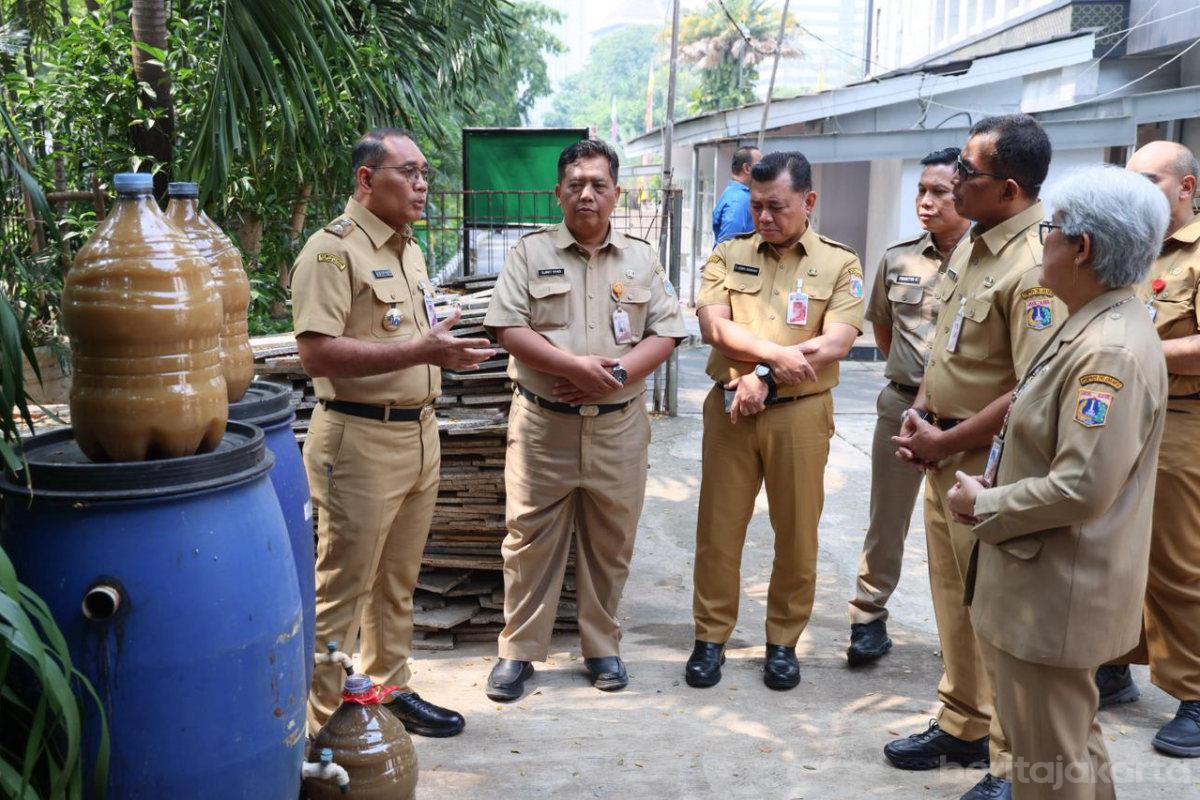
Innovation in organic waste management in Manggarai Selatan Urban Village, Tebet District, South Jakarta is carried out through the use of biowash.
Used as a planting medium
Head of Manggarai Selatan Urban Village, Sri Nurwiyanti said biowash is a liquid produced from the fermentation of fresh fruit or vegetable peels mixed with a special microorganism or starter liquid (Promic).
"Organic waste can be immediately used as a planting medium without having to wait for the decomposition process for months," she said, Wednesday (7/8).
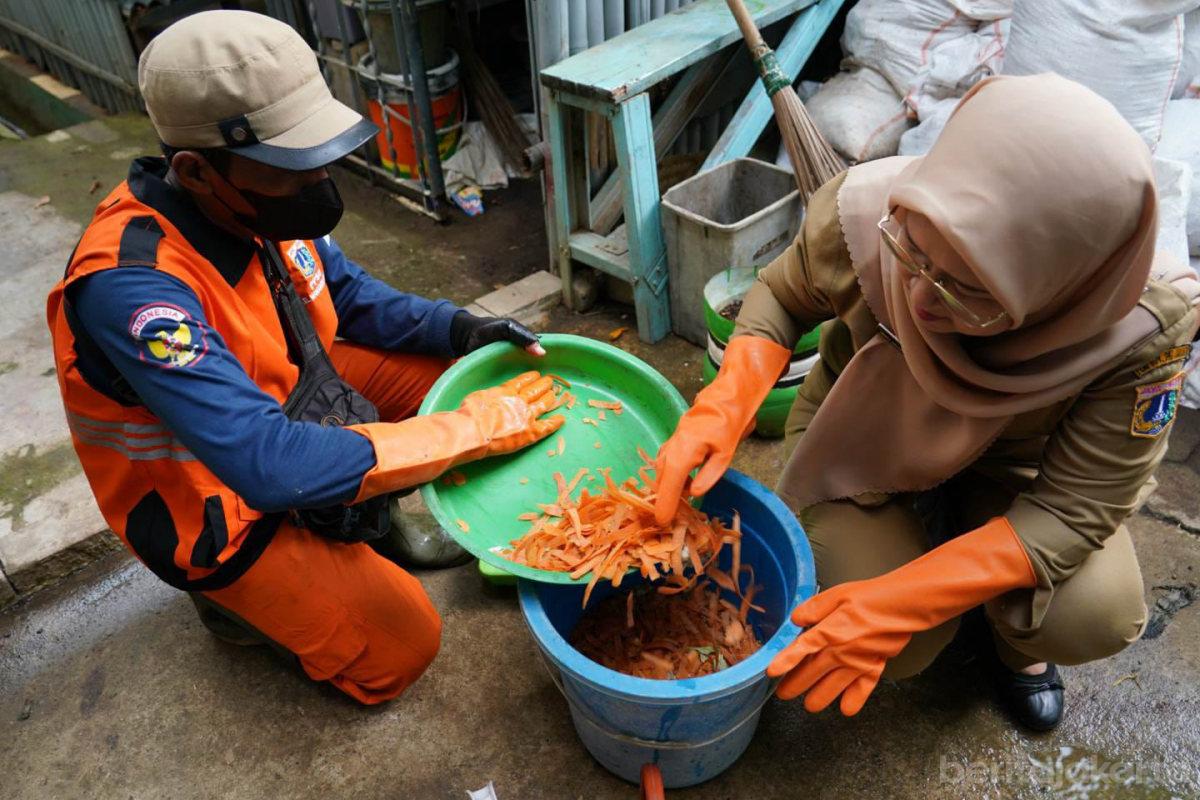
Pondok Bambu Residents Add More Jumbo Biopore Holes for Organic WasteShe explained that the process of making biowash is quite simple. One kilogram of organic waste, in the form of fruit peels, is mixed with 200 grams of Promic starter and five liters of water, then fermented for three days to produce a biowash liquid.
"After the fermentation process is complete and the liquid is ready to use, the dosage is one liter of biowash for 30 liters of water as a mixture for the planting medium," she explained.
He hopes that this effort will increase public awareness about processing organic waste independently, especially ahead of the implementation of restrictions on waste disposal at the Bantar Gebang Landfil.
"It is hoped that the results of this processing will also have economic value for the community," she hoped.
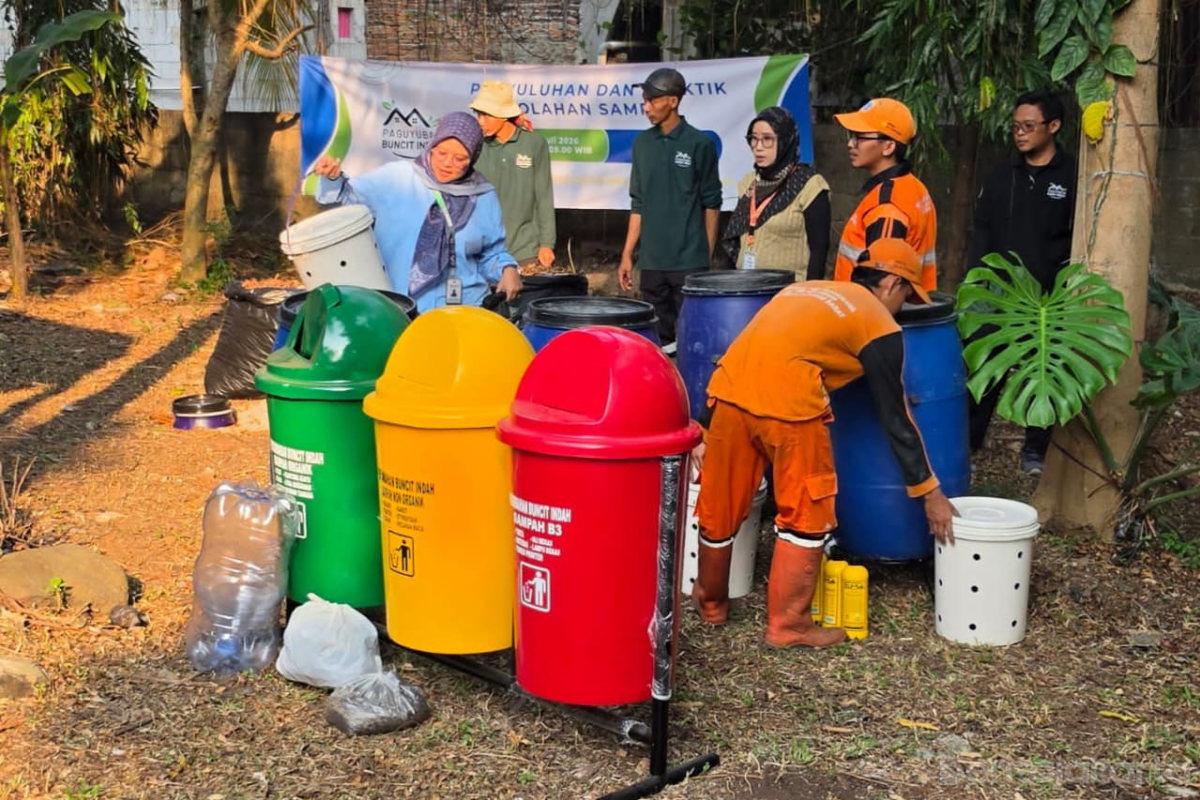
Sri added that the implementation of large biopore holes cannot be implemented evenly throughout Manggarai Selatan due to limited land. This situation has led to alternative options, such as the use of compost bins and biowash, as solutions for household waste management.