Small Food Business Becomes More Environmentally Friendly
Reported by Aldi Geri Lumban Tobing | Translated by Nugroho Adibrata
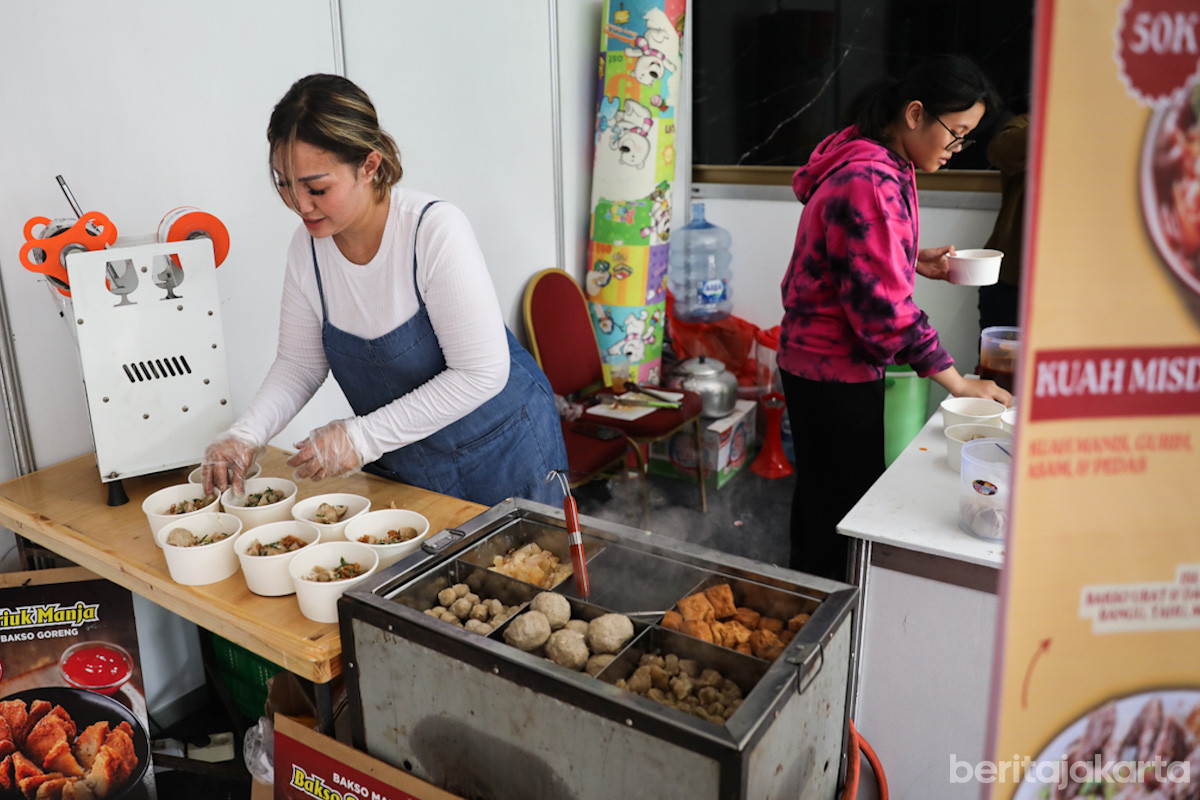
The Jakarta Environmental Agency keeps intensifying guidance for small-scale culinary businesses to become more environmentally friendly. One of them is through a webinar attended by more than 500 culinary entrepreneurs in South Jakarta.
Jakarta can only be clean, healthy, and livable if we move together
The webinar, which is part of the ECO Act (Education, Collaboration, Action) development program, is a collaborative effort involving business actors, academics, and both central and local governments, from sub-districts to urban villages.
This program provides dissemination of regulations, technical guidance, and consultations to help businesses implement environmentally friendly practices sustainably.
Pramono Prioritizes the Sustainability of MSMEsThe obligation for businesses to have an Environmental Management Statement (SPPL) became the main focus of the webinar.
"ECO Act is the gateway to building a culinary business ecosystem that is not only productive but also sustainable. Jakarta can only be clean, healthy, and livable if we move together," expressed Jakarta Environmental Agency Head, Asep Kuawanto, Thursday (9/4).
Based on the inventory study by the Jakarta Environment Agency 2024, 7,888 pollution sources have been identified along the Ciliwung River, with the largest contributors coming from small-scale culinary businesses.
He continued, Jakarta's economic growth must be aligned with environmental sustainability.
"Every business, including SPPL-scale culinary ventures, is required to operate while maintaining environmental quality to realize a healthy, clean, and globally competitive Jakarta," he continued.
Researcher Mochamad Adhiraga Pratama from LEMTEK UI stated that the rivers in Jakarta, such as Ciliwung, Cipinang, Sunter, Cideng, and Grogol, are already classified as heavily polluted.
He explained the main source of pollution is untreated domestic greywater, which accounts for up to 95 percent and comes from MSMEs such as restaurants, laundries, and tofu and tempeh factories.
"Most of its waste is discharged directly into drains or rivers without treatment," he explained.
Environmental Impact Control Officer for Environment Ministry, Nesti Cahyani, emphasized the crucial role of the SPPL as the main instrument to ensure small businesses remain sustainable. It requires entrepreneurs to declare their commitment to managing liquid waste, trash, emissions, and other impacts.
"This approach proves that environmental compliance is not complicated and can actually support local economic empowerment," he added.
In terms of law enforcement, Jakarta Satpol PP's PPNS Division Head, RM Tamo Sijabat, added that strict sanctions will be imposed on business actors who violate. These sanctions range from temporary suspension of operations, confiscation of equipment, to demolition.
"Violations of the SPPL provisions may also be subject to fines following regional regulations related to environmental management applicable in Jakarta," he stated.