Rorotan RDF Plant Under Field Calibration, Jakarta Environment Agency Confirms
Reported by Folmer | Translated by Maria Inggita
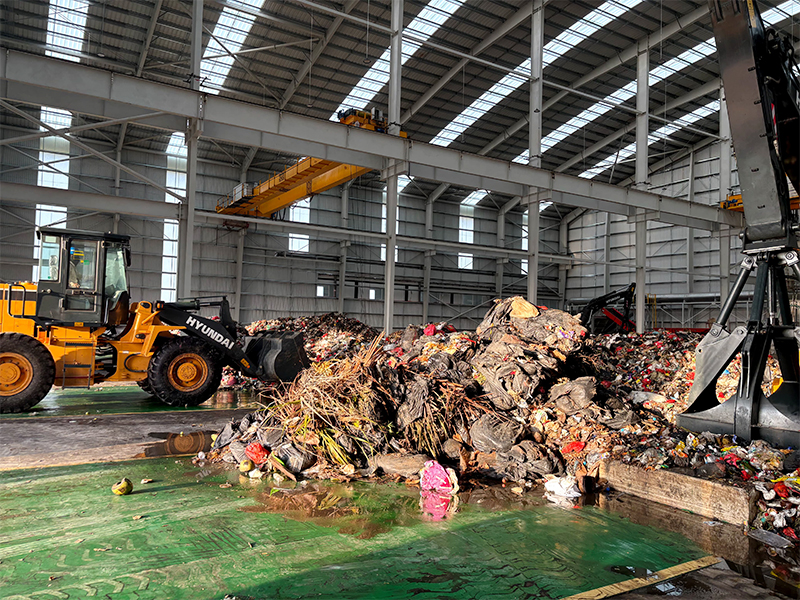
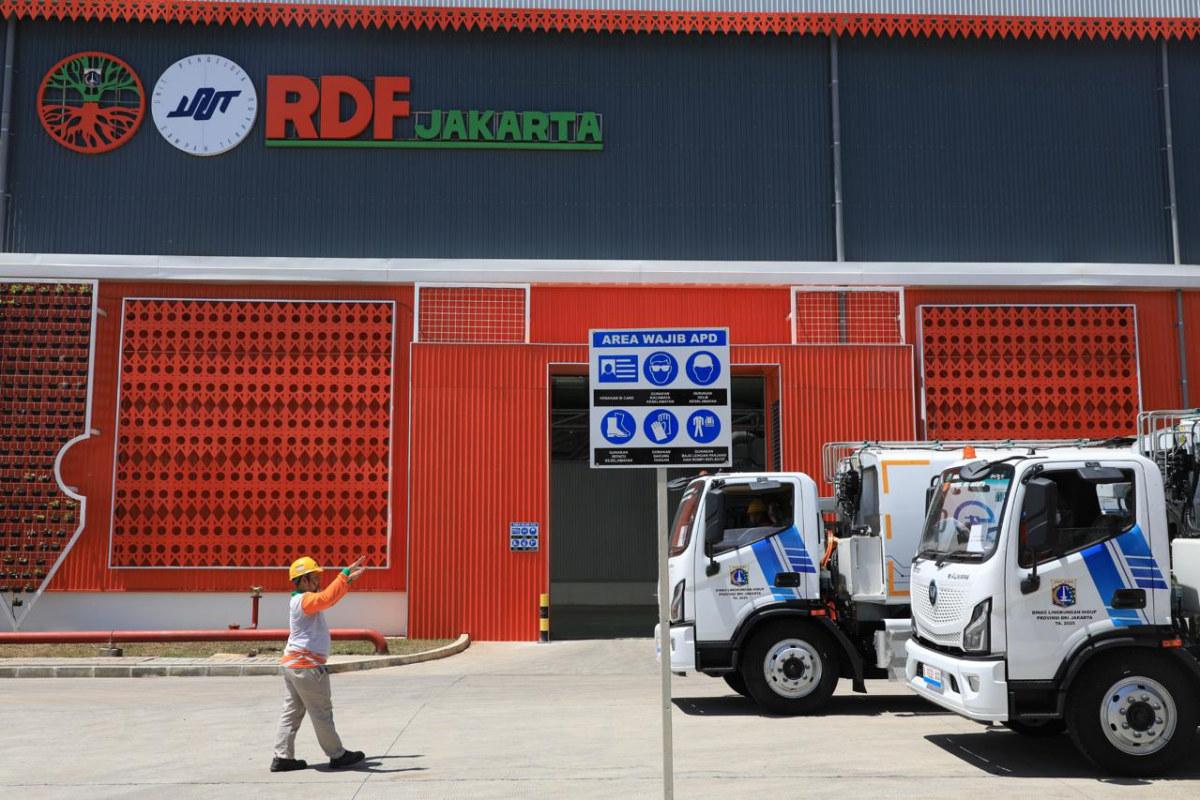
The Air Quality Monitoring System (SPKU) around the Refuse Derived Fuel (RDF) Plant Rorotan facility in Cilincing, North Jakarta, has not been shut down.
"There has been no shutdown or suspension of monitoring. What is being carried out is a field calibration process,"
Rumors circulating in the community about the suspension of air quality monitoring have been confirmed to be false.
Jakarta Environment Agency Head Asep Kuswanto explained that SPKU units around the Rorotan RDF Plant are currently undergoing a collocation test, or field calibration, to ensure that air quality and odor data are accurate, precise, and scientifically accountable.
Environment Agency Solves RDF Rorotan Waste Smell Problem"There has been no shutdown or suspension of monitoring. What is being carried out is a field calibration process so the sensors can accurately read environmental conditions and avoid misinterpretation of raw data," Asep said in a written statement on Sunday (2/1).
He noted that collocation testing is a standard technical stage in air quality monitoring systems, particularly for new technologies.
"This process is conducted to identify potential sensor bias caused by local environmental characteristics, including the influence of coastal areas," he said.
Since late December 2025, Asep added, the Jakarta Environment Agency has installed eight SPKU units around the Rorotan RDF Plant. All eight units are equipped with ambient odor sensors that monitor parameters such as ammonia, hydrogen sulfide, methyl mercaptan, methyl sulfide, and styrene.
"This system is the first in Indonesia to be specifically equipped with ambient odor monitoring sensors. During the collocation test, the agency collects standardized ambient odor samples, which are then analyzed at an accredited laboratory," he shared.
The laboratory results are subsequently compared with SPKU readings to refine the system before the data are fully displayed to the public.
"Odor data cannot be interpreted as a single numerical value. The SPKU functions as an early warning system and a tool to track air quality trends over time, not to draw instant conclusions," he emphasized.
Asep added that this clarification is important to address public misinformation. Certain odor-causing compounds can originate from various sources, both land-based activities and the natural coastal background, with intensity highly influenced by weather conditions, especially at night.
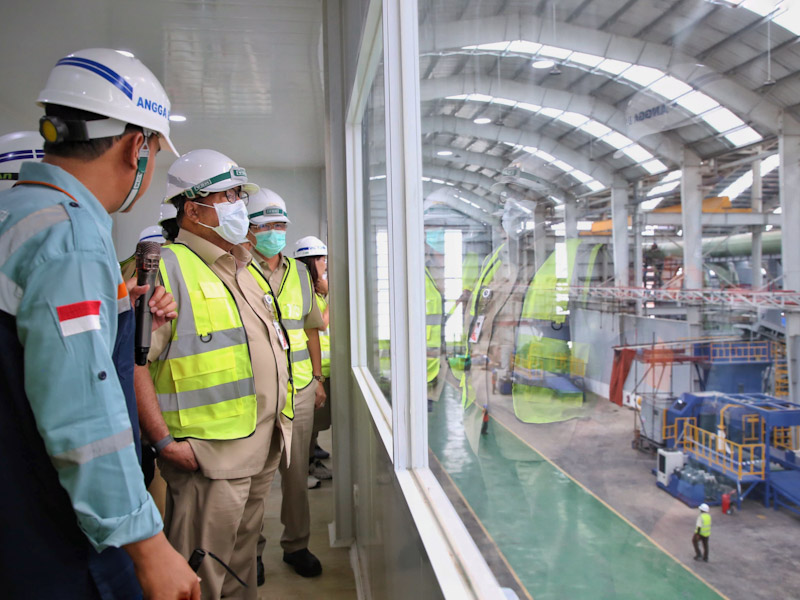
The Jakarta Environment Agency reaffirmed its commitment to continuous air quality monitoring, gradual evaluation of the Rorotan RDF Plant's operations, and transparent, data-driven public communication.
"Strengthening technology and exercising environmental caution are our core principles. The Rorotan RDF Plant was developed as a modern, safe, and responsible waste management solution for Jakarta, to prevent waste management crises like those seen in other regions," he stated.